


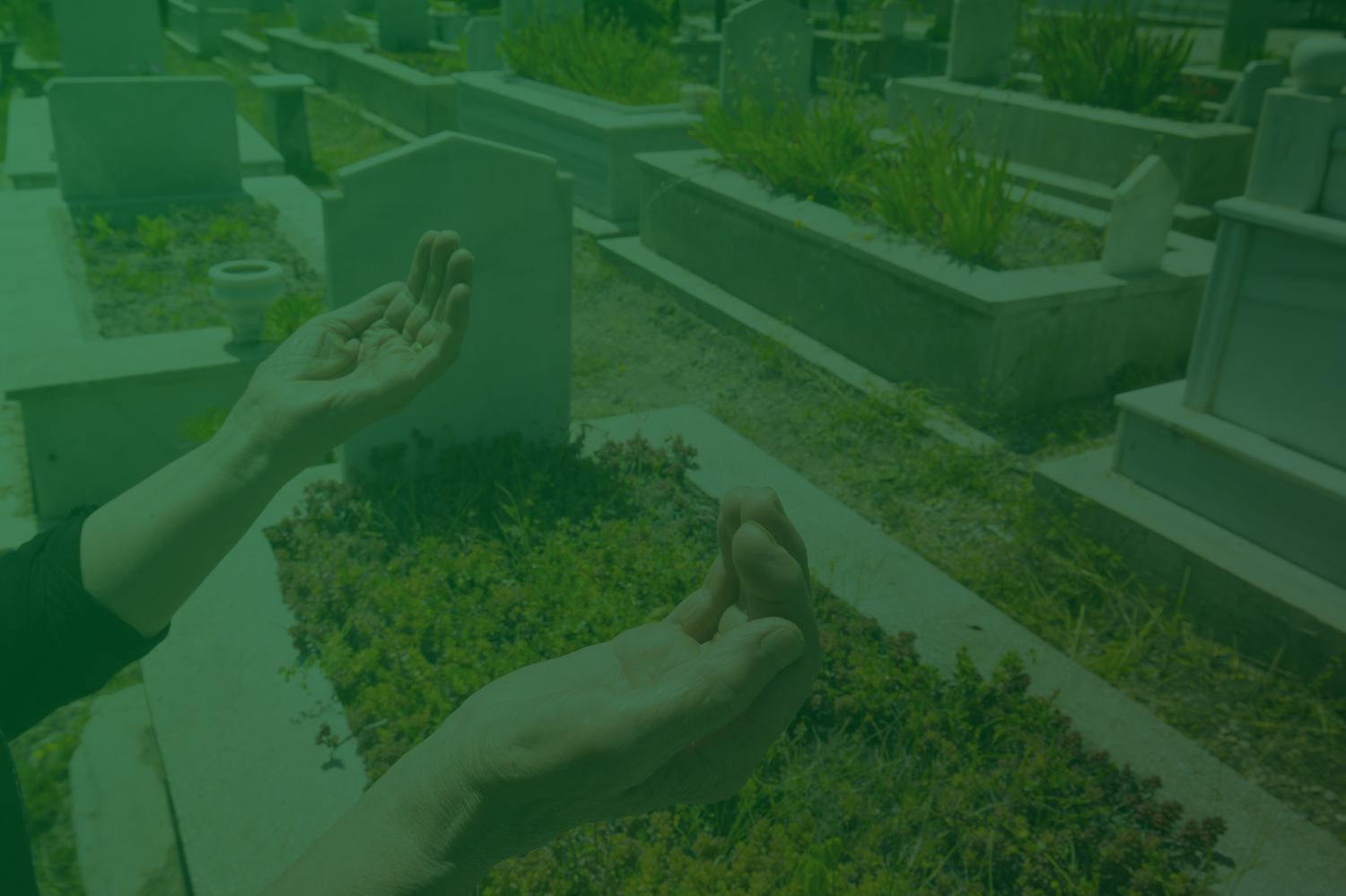
The signs of death in Islam serve as a reminder and preparation for every Muslim for the afterlife. Every living creature will experience it, without exception. Even prophets and messengers are not exempt from the fate of death. In the Qur’an, Allah affirms that life in this world is only temporary, while death is the path to the afterlife. By understanding the signs of death in Islam, you can be better prepared to face death, while also using it as motivation to improve your deeds before death comes.
“Every soul shall taste death.” (QS. Ali Imran: 185)
Human lifespan is a mystery; no one knows when death will come. We may be healthy today, but tomorrow our bodies may be stiff. Even the most noble Prophet Muhammad (peace be upon him) was not exempt from Allah’s decree to die, let alone us as ordinary servants. However, even though the time of death is unknown, the Quran and hadith have given indications that death is often preceded by signs of death in Islam. These signs of death in Islam serve as a reminder for all of us to be more prepared, to increase our good deeds, and to strengthen our faith. By understanding the signs that precede death, you can learn lessons to ensure that your life is always directed towards goodness and a good ending.
Read also: 5 Ways to Be Filial to Deceased Parents
Signs of Death in Islam Approaching Death
The Prophet Muhammad (peace be upon him) described facing death as a moment of great trial. In a hadith narrated by Imam Bukhari, it is stated, “Indeed, death has its agony” (HR. Bukhari, No. 4449, Kitab al-Maghazi).
Friends, death is marked by extreme pain, labored breathing, and a weakening of the body. At that time, a believer is encouraged to increase their remembrance of God and prayers, while the family accompanying them should guide them with the recitation of lâ ilâha illallâh.
Read also: Prayer For Deceased Parents and How To Deal With Grief
Signs of Death with Eyes Open
In a hadith narrated by Ummu Salamah, the Messenger of Allah said, “Indeed, when the soul is taken, the eyes will follow the soul.”
(HR. Muslim, No. 920, Kitab al-Jana’iz).
That is why, my friends, when someone dies, their eyes are usually open as a sign of death in Islam. It is Sunnah for the family present to immediately close the eyes of the deceased while praying for their well-being. They must also carry out all the fardhu kifayah stages that must be performed for the deceased. The stages of fardhu kifayah include bathing the deceased, shrouding them in clean cloth, praying for them, and then burying them properly in accordance with Islamic law.
Read also: Make Zakat Your Provision for the Hereafter
Signs of Death in Islam for Believers with Radiant Faces
The Qur’an describes the condition of the faces of believers when death approaches. Allah SWT says in Surah Abasa verses 88-39, “On that day, the faces (of believers) will be radiant, laughing and rejoicing.”
Friends, a radiant face is a sign of a person who dies in Islam with a good ending. Scholars explain that the tranquility on the face of the deceased indicates inner peace when facing Allah. A visible smile can also be a sign that a person’s deeds and faith have been accepted. Thus, the condition of the face at the time of death has an important spiritual meaning to understand.
Read also: The Law of Zakat on Joint Property According to Islamic Law
Signs of Death in Islam with Sweat on the Forehead
In a hadith narrated by Buraidah radhiyallahu ‘anhu, the Prophet Muhammad said, “The death of a believer is marked by sweat on his forehead” (HR. Ahmad No. 23810; Tirmidzi No. 982; declared hasan by Al-Albani).
Friends, these signs of death in Islam are often seen when the body of a believer who has died is in a state of tranquility. The sweat that appears on the forehead signifies inner peace when facing death. This is a symbol of a good ending for the deceased. Thus, sweat on the forehead also indicates Allah’s pleasure with His servant.
Read also: Prayers for Deceased Men and Women
Interrupted Breathing and Weakness of Limbs
Allah SWT also describes the last moments of humans in the Qur’an, “Never do that. When the soul reaches the throat, and it is said, ‘Who can heal? And he is certain that this is indeed the time of parting, and the calves (stiff) meet the calves (stiff), to your Lord on that day he will be brought back” (QS. Al-Qiyamah: 26–30).
This verse describes the signs of a person dying as they approach death. The human spirit reaches the throat, the body begins to weaken, and breathing becomes labored. At that moment, humans surrender completely to Allah.
Friends, knowing the signs of death in Islam as death approaches is a reminder for us to always strive to improve our deeds. By frequently remembering death, the heart becomes softer, worship becomes more solemn, and social awareness grows. So when you know the signs of death in Islam
The signs of death in Islam as explained in the Qur’an and Hadith should be a lesson for us to always be prepared. Because death is the door to eternal life. One of the best ways to prepare is to increase righteous deeds, not only through ritual worship, but also through social awareness. By giving alms and paying zakat, we purify our wealth, cleanse our hearts, and help our brothers and sisters in need. No one knows when death will come except Allah SWT. Our duty is only to prepare ourselves with the best good deeds. May we all be blessed with husnul khatimah, die in a state of faith, and be gathered together with the Prophet in His paradise.