


JAKARTA —-— Opening the Tarhib Ramadhan 1443 H event, Chief Executive of DMC (Disaster Management Center) Dompet Dhuafa, Haryo Mojopahit, emphasized that preserving rivers and protecting the Earth is part of religious faith. Through a 30-kilometer trek along the Ciliwung River on Thursday (March 31, 2022), he reminded participants of the theology of rivers, saying that we can see what is happening in this river and hopefully do something to help it.
“In the Qur’an, there are two major clusters of words related to rivers. The first is related to paradise. The second is related to Allah SWT proving the greatness of His creation. About water, becoming rivers, and so on. In Surah Al-An’am verse 6, Allah also says that He sent heavy rain upon a people, then He made rivers flow beneath them, then Allah destroyed them because of their sins. It is very important for us to strengthen the theology of rivers as part of our faith,” explained Haryo.
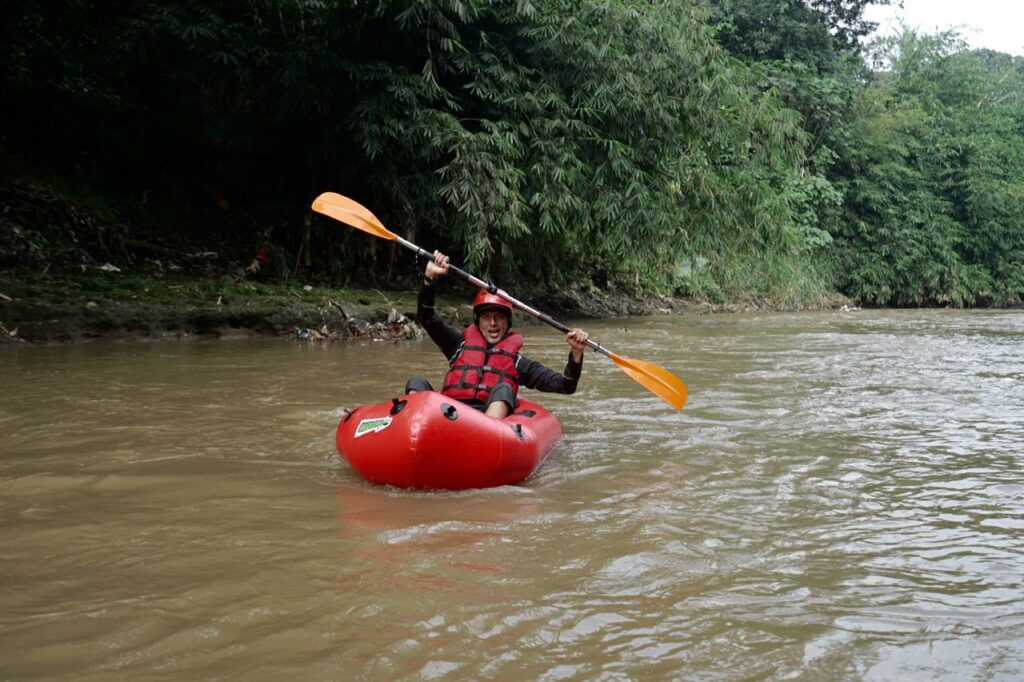
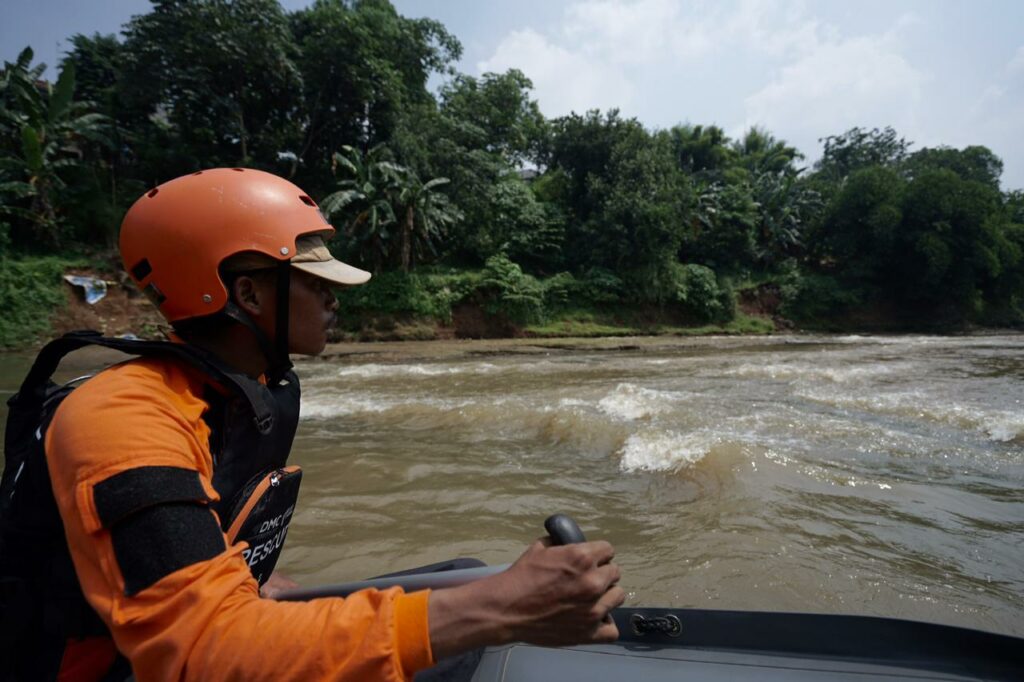
Welcome to Ramadan, DMC Dompet Dhuafa held a Tarhib event by exploring the Ciliwung River and inaugurating five bases in the Ciliwung River area, a Betawi-style bazaar, a library inauguration, and archery to #BeUseful. The five bases are Saung Bambon (Srengseng Sawah), Kedung Sahong (Lenteng Agung), Ciliwung Muara Bersama (Tanjung Barat), Padepokan Ciliwung (Condet), and Kometa (Balekambang).
This Tarhib is DMC’s way of welcoming the month of Ramadan with joy, preparation, and the hope of observing Ramadan to the fullest, so that we may graduate with the title of piety. This time, it’s special for DMC, as the Tarhib is held by the river. This initiative is also part of the Community Support Program by DMC’s Disaster Risk Reduction team.
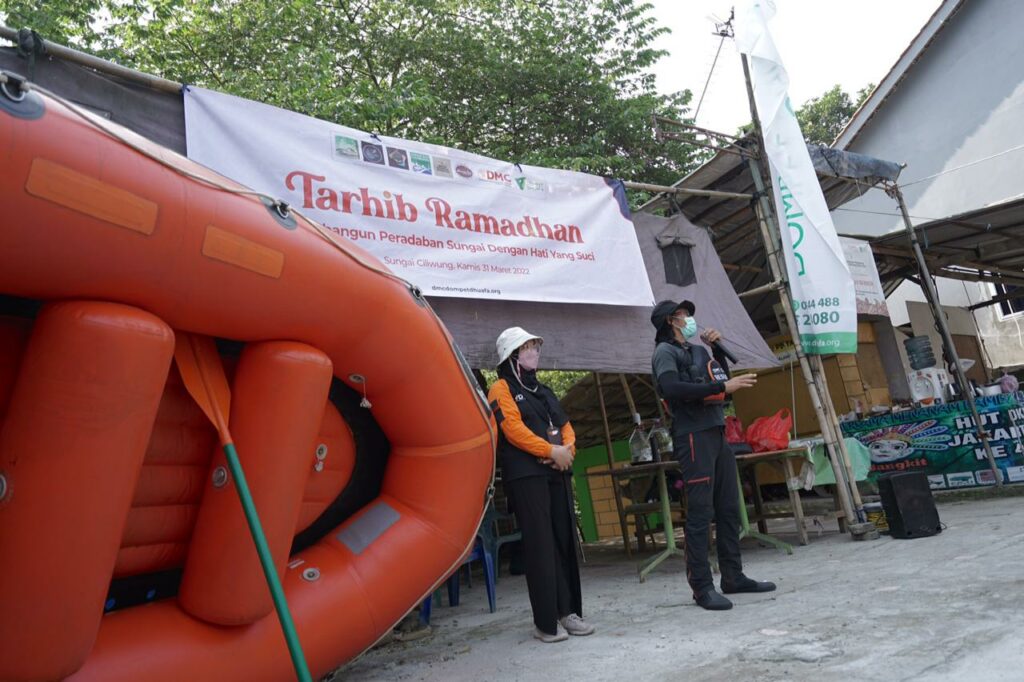
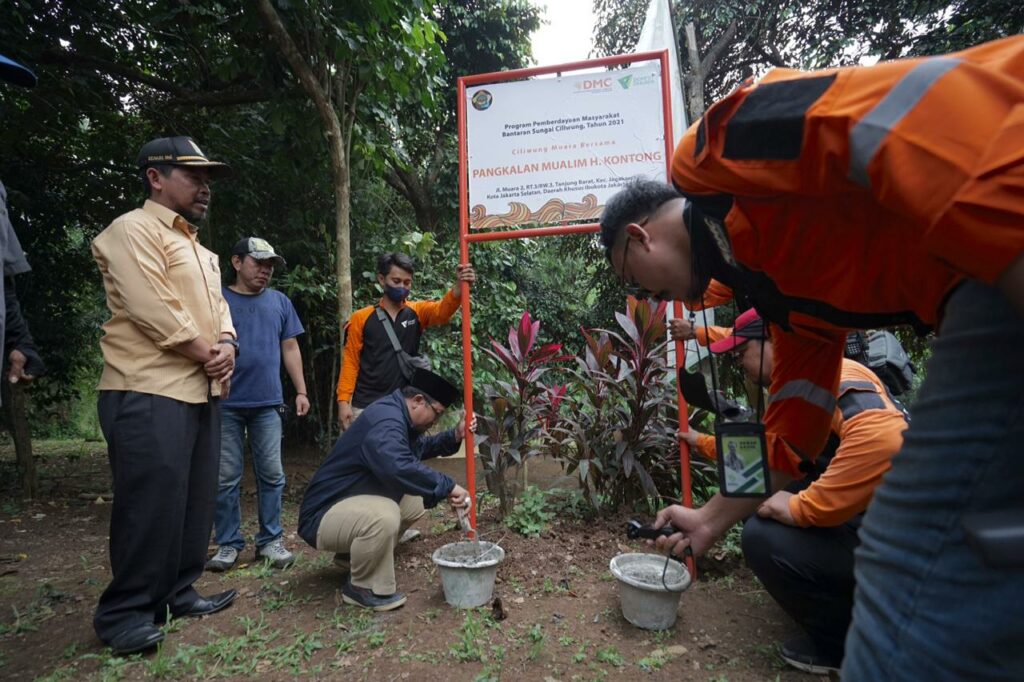
“This morning began with a safety briefing, followed by a river tour starting from Saung Bambon, which was the first point of intervention for DMC’s grand design for the Ciliwung River. We then stopped at Kedung Sahong, which served as a rest stop. Next, we headed to CMB (Ciliwung Muara Bersama), which is the central post and serves as a camping ground and educational tourism site. We continued our journey to PCC (Padepokan Ciliwung Condet), a base that has already been developed and offers various educational tourism activities such as martial arts, archery, theater, dance, and a library that will be inaugurated. Finally, we arrived at the Kometa base,” said Ade, Coordinator of the Ciliwung River Tour on DMC’s Tarhib Ramadhan that day.
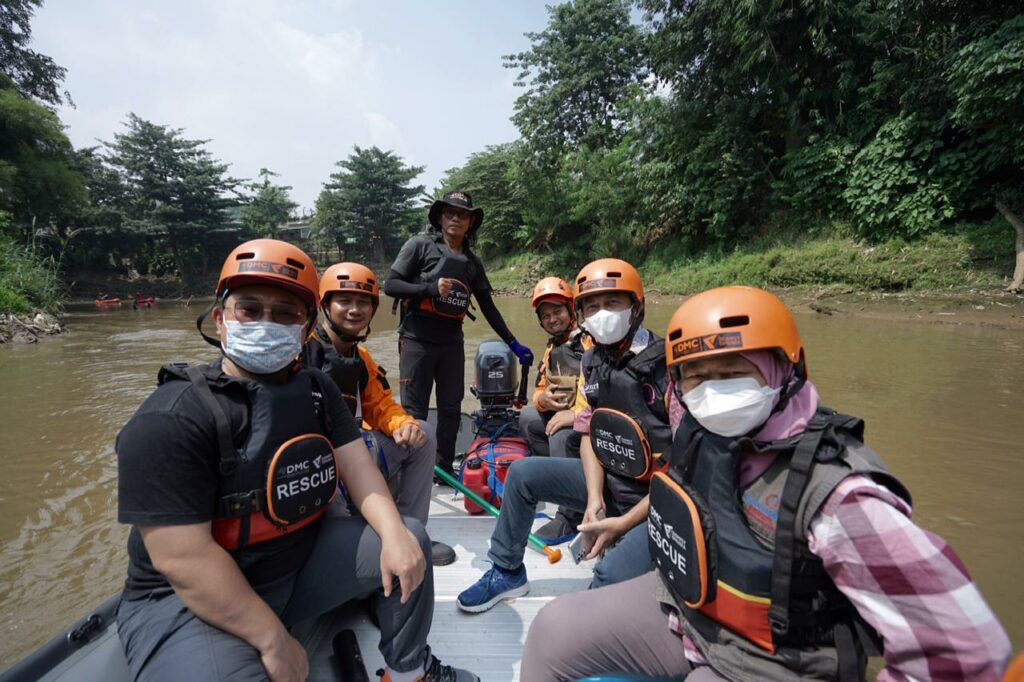
During the event, the celebration of the river and Sufism was also attended by representatives from BPBD (Regional Disaster Management Agency) and HFI, who were open and committed to always being ready to collaborate with various CIliwung River communities and disaster activists who were present that day.
“This is an extraordinary event. Five bases were inaugurated. Hopefully, this program will continue to grow. This is also in line with the Jakarta BPBD’s focus on community empowerment for ecotourism and edutourism,” explained Basuki Rakhmat, Head of the Community and Institutional Empowerment Section of the Jakarta BPBD, in his speech.
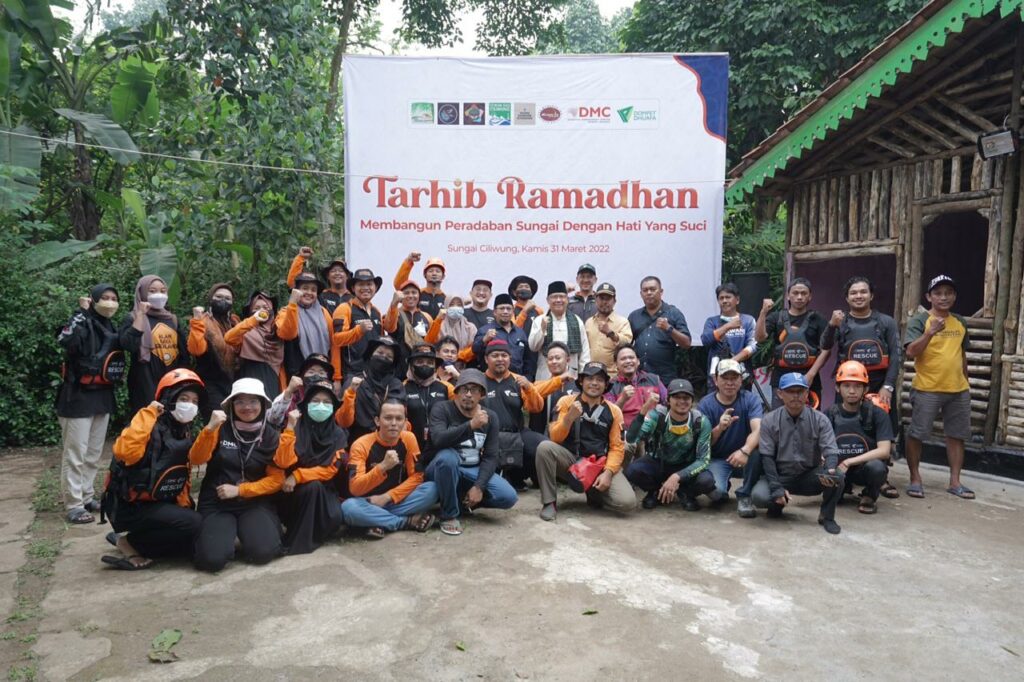
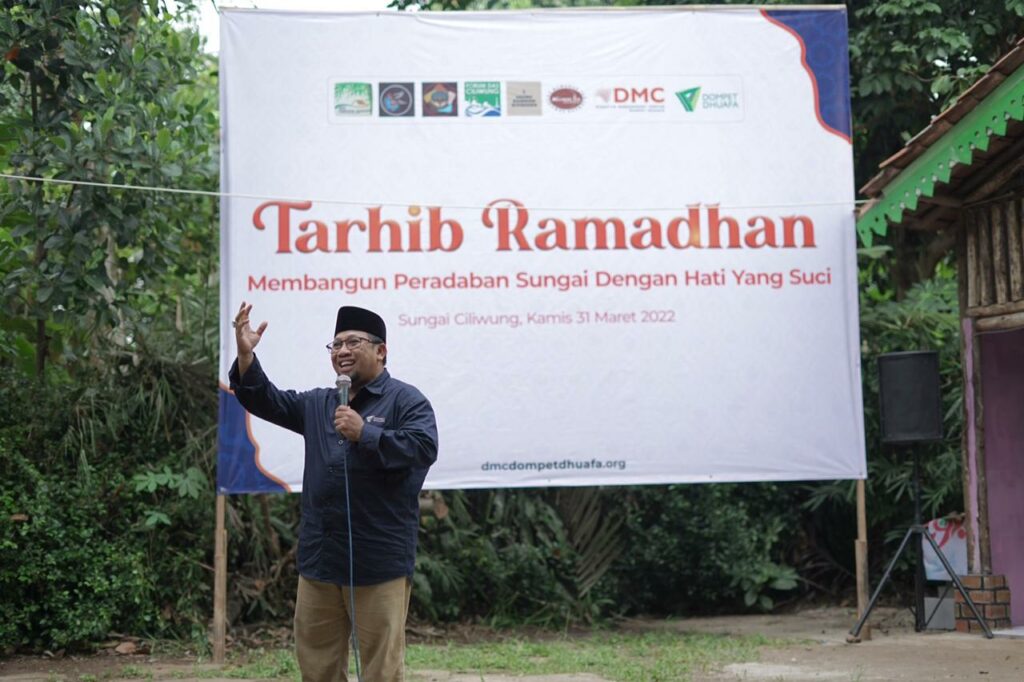
On this occasion, Ustadz Ahmad Shonhaji, Director of BDPM (Culture, Da’wah, and Community Development), was present to strengthen, inaugurate, and appreciate the Ciliwung Muara Bersama (CMB) Collaboration. In his remarks, he stated that as we welcome the holy month of Ramadan, exploring the Ciliwung River is a learning experience with nature and enjoying nature as part of the power of Allah SWT’s creation.
“It is clear that Allah SWT has given signs, that there are two types of verses of Allah, namely Qauliyah verses (the words of Allah that we find in the mushaf in the holy verses of the Qur’an) and Qauniyah verses (verses in the form of all of Allah SWT’s creations in the form of the universe and everything in it. These verses encompass all kinds of Allah’s creations, which directly bring us closer to Allah SWT’s creations,” said Ust. Shonhaji.
“Regarding rivers, they are like bamboo trees that grow alongside them. They are flexible with the wind, but rarely break. They have strong roots, live side by side, and grow by producing new shoots,” he added. (Dompet Dhuafa / Dhika Prabowo)