


JAKARTA —-— The night of the takbir always has two sides: on one hand, the heartwarming echoes of the takbir and the crowds rushing home; on the other, there are those who choose to stay.
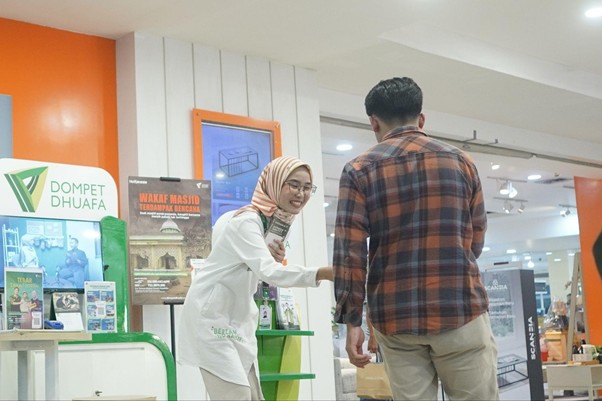
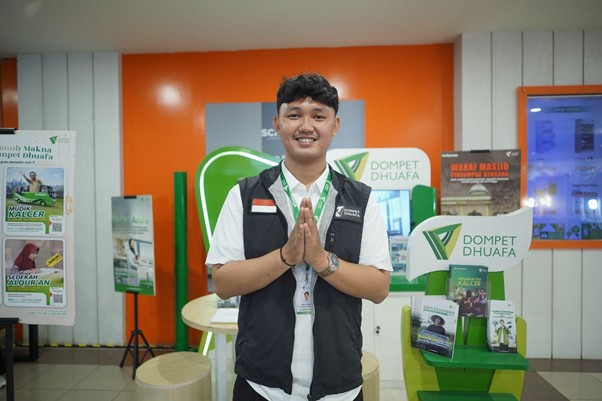
At a simple booth, Dompet Dhuafa fundraiser volunteers stood greeting visitors one by one. Their smiles are wide, even as fatigue begins to set in. Among them are Eza, Aina, and Aura—three names with different choices, yet united by the same conviction.
Eza postponed his return to his hometown at a time when travel tickets were in high demand; instead, he chose to stay.
“Honestly, missing home is inevitable. Especially on Takbir Night,” he said softly.
“But I believe that what I’m doing here is also part of my worship,” he said when met at the Dompet Dhuafa booth at Botani Square, Bogor, on Friday (March 20, 2026).
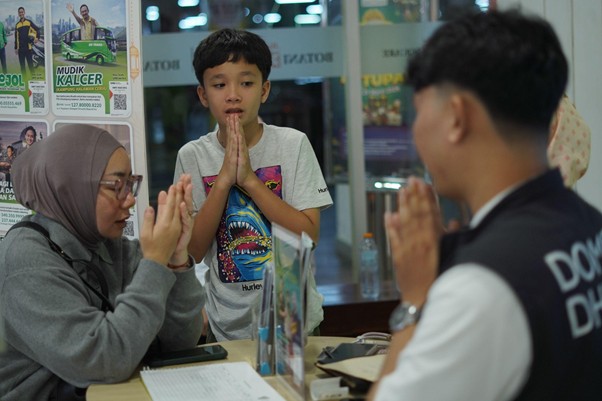
Before him, people came and went. Some stopped, asked about zakat fitrah and zakat mal, and then paid them on the spot. Others simply smiled and walked on.
Read also: Eid al-Fitr Night: The Best Time to Pay Zakat al-Fitr, Heres the Explanation
Elsewhere, Aina stood not far from the booth. She, too, had decided to delay her return home. For her, that decision wasn’t an easy one, especially as messages from her family began pouring in, asking when she would be coming home.
“The hardest part isn’t the fatigue, but the longing,” she said.
“Sometimes I see people carrying groceries for Eid, and it reminds me of home,” Aina said at The Park Pejaten’s booth.
However, she continued her duties of greeting people, explaining, and helping them pay their zakat.
Time dragged on, and doubts began to creep in.
“At first I wondered, ‘Will anyone actually donate?’” said Aina.
“But as the night went on, people started coming. Many were actually looking for a place to pay their fitrah zakat,” she continued.
That’s when she felt that staying put was the right decision.
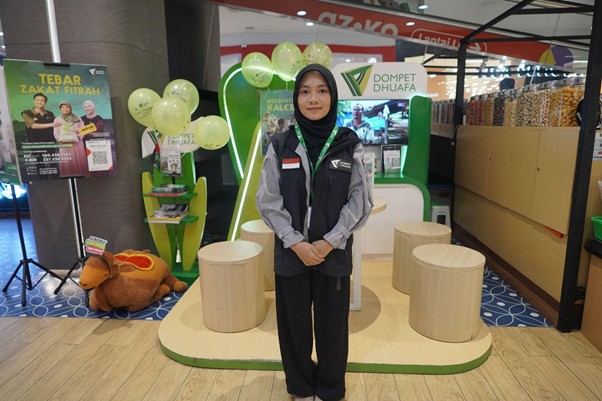
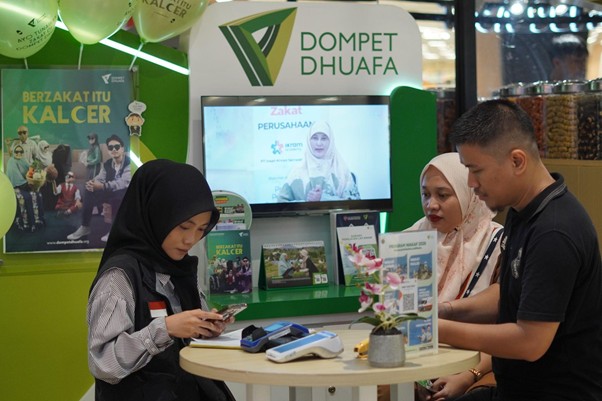
Meanwhile, Aura chose a slightly different path. She remained on duty until just before Eid, before finally deciding to go home on Eid day.
“Usually, the days right before Eid are actually the busiest,” Aura explained.
“People only remember to pay their zakat al-fitr at the last minute,” she continued.
She continued to serve with the same rhythm—explaining, helping, and receiving various responses, including refusals.
“The important thing is that we’ve conveyed the message. We’re just intermediaries,” she said.
Even though she eventually went home, Aura remained part of the flow of kindness taking place during the final nights of Ramadan.
Behind all that—the exhaustion from standing for hours, the constant stream of refusals, and the homesickness that can’t be fully pushed aside—there’s one thing they hold tightly. That what they do, no matter how small, matters.
“Sometimes it’s just one person who finally donates after we explain it at length,” Aura said.
“But from that one person, we never know how far the impact might reach,” she added.
The night of the takbir continued. The sound of the takbir grew louder. Some people were getting closer to home, while they remained where they were. Not because they didn’t want to go home. But because they chose to protect something else.
Read also: Money-Saving Tips for Eid to Keep Your Finances in Check
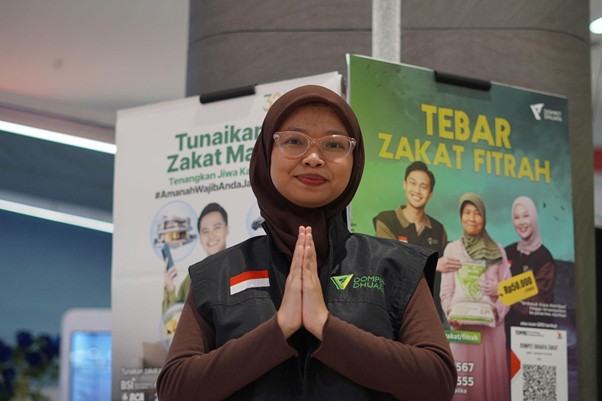
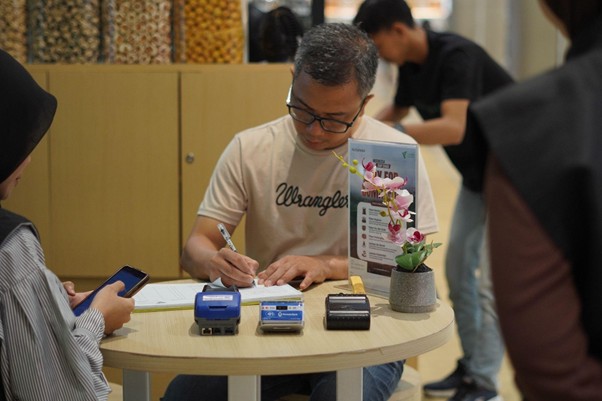
Despite their fatigue, rejection, and homesickness, they held onto the simple belief that the small acts of service they performed that night could serve as a bridge to greater good.
For your information, Dompet Dhuafa opened approximately 45 service counters in the Jabodetabek area during the Ramadan 1447 H period through the night of the Takbir. These locations are spread across shopping malls, public areas, and strategic spaces easily accessible to the public.
These dozens of counters aim to expand access to charitable giving amid the high mobility leading up to Eid. The counters are expected to make it easier for the public to fulfill their Zakat al-Fitr and Zakat al-Mal obligations.
At each location, volunteers like Eza, Aina, and Aura accept donations while also serving as public educators by explaining, reassuring, and building trust. In this way, paying zakat feels more accessible and straightforward, without the impression of being complicated or delayed. (Dompet Dhuafa)
Text and photos: Aji Pangestu
Editor: Ronna