


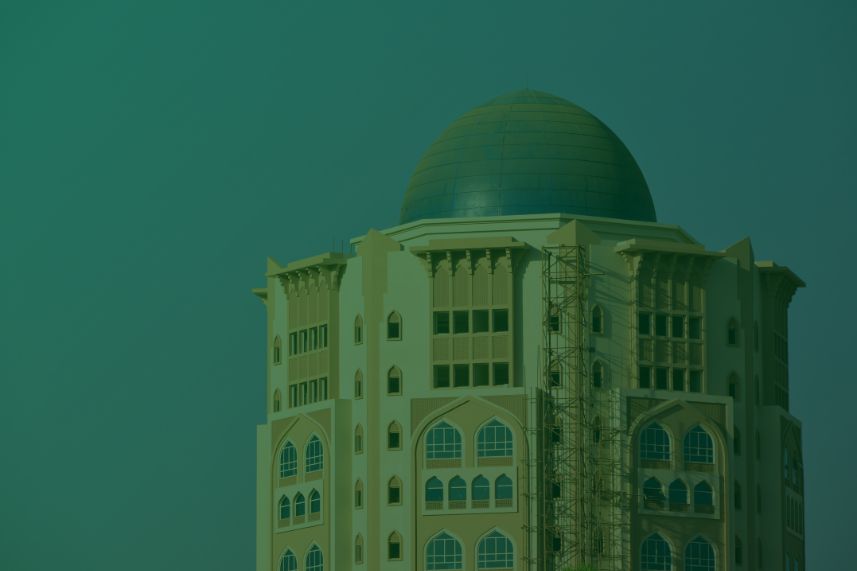
Many people view worship as something personal and self-contained. However, in Islam, there is a form of worship that transcends the boundaries of time and a person’s lifetime: waqf. Waqf is not merely an act of charity, but a way to leave a lasting legacy of goodness—even after one has passed from this world. In this context, waqf is relevant to everyone, not just those with great wealth. Waqf is a form of worship open to every Muslim who wishes to create a long-term impact, whether on a small or large scale. It is not merely about giving, but about fostering the sustainability of benefits.
What Is Waqf in Islam
Simply put, waqf involves setting aside the principal of an asset while channeling its benefits for the greater good. This means the endowed asset itself remains intact, yet its benefits continue to be utilized. This concept distinguishes waqf from ordinary charity. While charity provides a one-time benefit, waqf is designed to provide recurring and sustainable benefits.
In a hadith of the Prophet Muhammad (peace be upon him), it is stated: “When a person dies, their deeds cease except for three things: ongoing charity, beneficial knowledge, and a righteous child who prays for them.” (Narrated by Muslim)
Scholars explain that one of the most important forms of ongoing charity is waqf. Through waqf, a person can continue to earn rewards from the benefits it generates, even after passing away.
Why Waqf Is Called a Legacy of Goodness
In modern life, many people talk about legacies or inheritances. However, not all legacies have a long-term impact. Waqf offers a different concept of legacy, as it does not merely leave something behind but ensures that it continues to provide benefits.
Waqf can take the form of building a mosque, a school, a hospital, a clean water source, or even educational and empowerment programs. All of these become part of an ongoing system of goodness. When someone establishes a waqf, they are essentially building an ecosystem of benefits. Every person who uses these facilities, every lesson taught, and every assistance received becomes part of the reward that keeps flowing.
Wakaf Isn’t Just for the Wealthy
One of the biggest misconceptions about wakaf is the assumption that it can only be done by those with substantial wealth. In reality, over time, wakaf has become more inclusive. Today, wakaf can take various forms, including monetary wakaf. This opens opportunities for more people to participate, without having to wait until they own significant assets like land or buildings.
With more affordable amounts, anyone can start making a waqf and become part of ongoing acts of kindness. This demonstrates that waqf is truly a form of worship for everyone, not just for a select few.
Evidence for Waqf in the Quran and Hadith
Although the word “waqf” is not explicitly mentioned in the Qur’an, the concept is deeply rooted in Islamic teachings, particularly in the encouragement to give in charity and do good deeds. Allah SWT states:
“You will never attain true righteousness until you spend from the wealth you love.”
(QS. Al-Imran: 92)
This verse indicates that giving one’s best possessions for the sake of goodness is part of the perfection of faith. In practice, waqf was exemplified by the Companions. One of the most famous stories is the waqf established by Umar bin Khattab. He endowed the land he owned in Khaibar, upon the advice of the Prophet Muhammad (peace be upon him), with the stipulation that the land not be sold, inherited, or gifted, but that its benefits be channeled for the benefit of the community.
Types of Waqf That Can Be Established
Waqf takes various forms and can be tailored to the circumstances and capabilities of each individual. Some common types of waqf include:
- land or building waqf
- waqf for places of worship such as mosques
- educational waqf such as schools or scholarships
- healthcare waqf such as hospitals
- monetary waqf managed productively
This diversity demonstrates that waqf is not limited to a single form. It can evolve according to the needs of society and the conditions of the times.
Read also: The Rewards of Waqf for Mosques Flow Endlessly to the Waqif
Waqf as a Sustainable Social Solution
One of the main strengths of waqf is its ability to create long-term impact. In many cases, waqf serves as a solution to various social issues, such as education, healthcare, and the economy. Unlike temporary aid, waqf is designed to provide ongoing benefits. This makes waqf one of the key instruments in social development within Islam. With proper management, waqf can serve as a stable and sustainable resource to assist those in need.
Starting a waqf doesn’t always require waiting for ideal conditions. What matters most is the awareness that every act of kindness holds great value in the sight of Allah. Waqf teaches that even a small contribution can be part of something greater. When carried out consistently and managed well, waqf can have an impact that exceeds expectations.
Leaving an Unbroken Legacy
In practice, channelling waqf through a trusted institution is a crucial step to ensure that the waqf truly delivers optimal benefits. Dompet Dhuafa serves as an institution that manages waqf professionally and with integrity. The waqf programs implemented focus not only on physical development but also on the sustainable empowerment of communities.
Through Dompet Dhuafa, waqf can be more targeted, transparent, and provide tangible benefits to beneficiaries. Waqf is not just about what is given today, but about what will continue into the future. It is a form of worship that connects life in this world with the hereafter.
Every benefit generated from waqf will continue to flow, becoming part of an unending reward. This is what makes waqf one of the most meaningful forms of a legacy of goodness. If you have long wanted to leave behind something more than just material possessions, waqf is one path you can choose. Through waqf, goodness does not stop at a single point but continues to live and grow.
Dompet Dhuafa offers opportunities for anyone wishing to begin endowing, with various programs that can be tailored to individual needs and capabilities. Start with a simple step, because in endowment, even the smallest contribution can grow into something significant when managed for sustainable good.
