


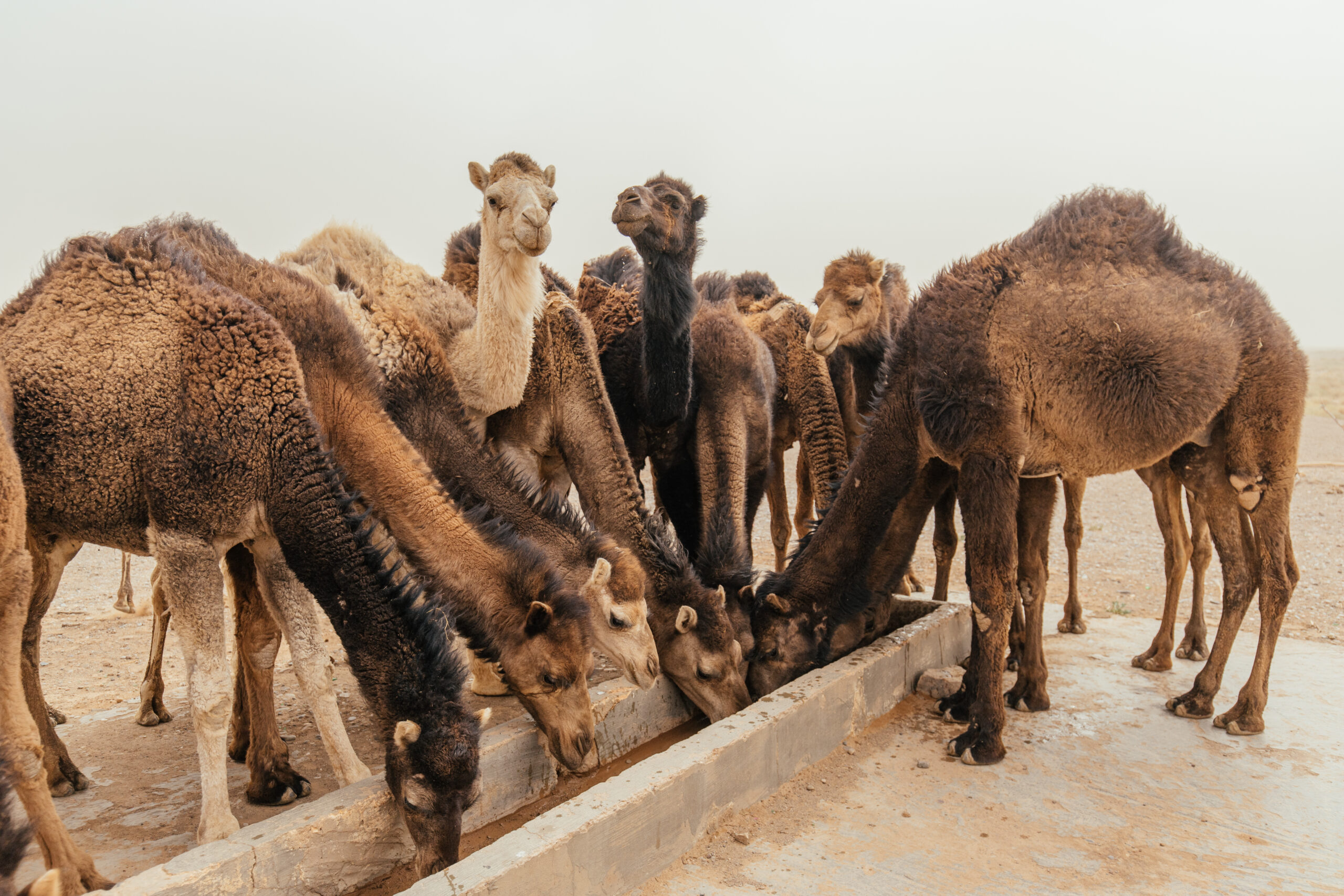
JAKARTA —-— Dompet Dhuafa is introducing a new innovation in its 1447 Hijri Sacrificial Animal Distribution Program (THK) by offering camel sacrifices for the first time. This program provides the public with a new experience in performing the ritual of sacrifice, which has traditionally been associated with cows, goats, and sheep.
Ali Bastoni, Chair of Dompet Dhuafa’s THK 1447 H, explained that the inclusion of camel sacrifices is an innovative program initiative aimed at expanding both the options and the experience available to the public regarding sacrificial offerings. According to him, Dompet Dhuafa aims to bring a fresh perspective to this year’s Eid al-Adha celebrations, given that the public has traditionally been more familiar with sacrifices of cattle, buffalo, or goats.
“We want to offer a new experience during the sacrifice season, since people are usually familiar with cows, buffalo, or goats,” he said.
Although it is a new program, this year’s camel sacrifice is still being conducted abroad, specifically in Somalia. Ali Bastoni explained that performing camel sacrifices in Indonesia still faces several challenges, particularly regarding animal availability and applicable regulations.
“Camels in Indonesia are generally under three years old, so they do not yet meet the age requirements for sacrifice,” he explained.
In addition to age, most camels in Indonesia currently hold permits for breeding, collection, or tourist display purposes. Therefore, there is no specific permit available for sacrificial purposes.
Advantages of Camel Sacrifice
One of the advantages of camel sacrifice over other sacrificial animals is the larger distribution of meat. With a weight that can reach over 500 kilograms, a single camel is estimated to benefit twice as many recipients as a standard cow.
“The focus is on benefiting twice as many people compared to beef,” said Ali Bastoni.
While a standard cow can reach around 50 to 60 beneficiaries, a single camel is estimated to reach more than 100 beneficiaries. This is seen as a way to expand the benefits of qurbani distribution to those in need.
In addition to the larger distribution volume, the inclusion of camel qurbani also offers a new experience in performing the qurbani ritual, both for the sacrificers and the beneficiaries.
Implementation and Challenges of Camel Qurbani
This year’s camel qurbani was carried out in Somalia through a collaboration between Dompet Dhuafa and local partners. The process from slaughter to the distribution of qurbani meat will be handled directly by the local committee together with Dompet Dhuafa’s implementing partners.
Ali Bastoni explained that the method of slaughtering camels differs from that of cattle in Indonesia. While cattle are typically laid down before slaughter, camels are generally slaughtered while standing due to their distinct physical characteristics.
“Camels are usually slaughtered directly while standing,” he said.
The execution of the camel sacrifice also requires technical adjustments on-site. According to him, since this is the first time Dompet Dhuafa has implemented this program, several aspects of the process are still being studied and adjusted as the program progresses.
Additionally, Dompet Dhuafa faces challenges related to the limited availability of camels. Ali Bastoni noted that the organization is still monitoring public response to this new initiative.
“The challenge is regarding the population because the supply is limited,” he said.
Nevertheless, Dompet Dhuafa is optimistic that the camel sacrifice program can run smoothly through the support of local partners and thorough preparation. Spread the goodness of sacrifice through https://digital.dompetdhuafa.org/kurban. (Dompet Dhuafa)
Text and photos: Nurul
Editor: Dhika