


BENGKULU — (09/09/2022) Geographically, Bengkulu Province is an area located at the meeting of two tectonic plates, namely the Eurasian Plate and the Indo-Australian Plate. This plate meeting is called a subduction zone, which is an active earthquake area with the potential for a tsunami. Based on the results of the 2021 Indonesian Disaster Risk Index (IRBI) measurement, Bengkulu has a high disaster risk class with a value of 157.14 (High).
“Bengkulu has the threat of natural disasters in the form of earthquakes, tsunamis, volcanoes, floods, landslides, droughts, extreme weather, extreme waves and abrasion, as well as forest and land fires,” wrote in IRBI 2021.
The city of Bengkulu is ranked 8th as the city with the highest disaster risk index in Bengkulu province. When compared to other districts throughout Indonesia, the city of Kaur, Bengkulu itself is ranked 18th with a high risk index.
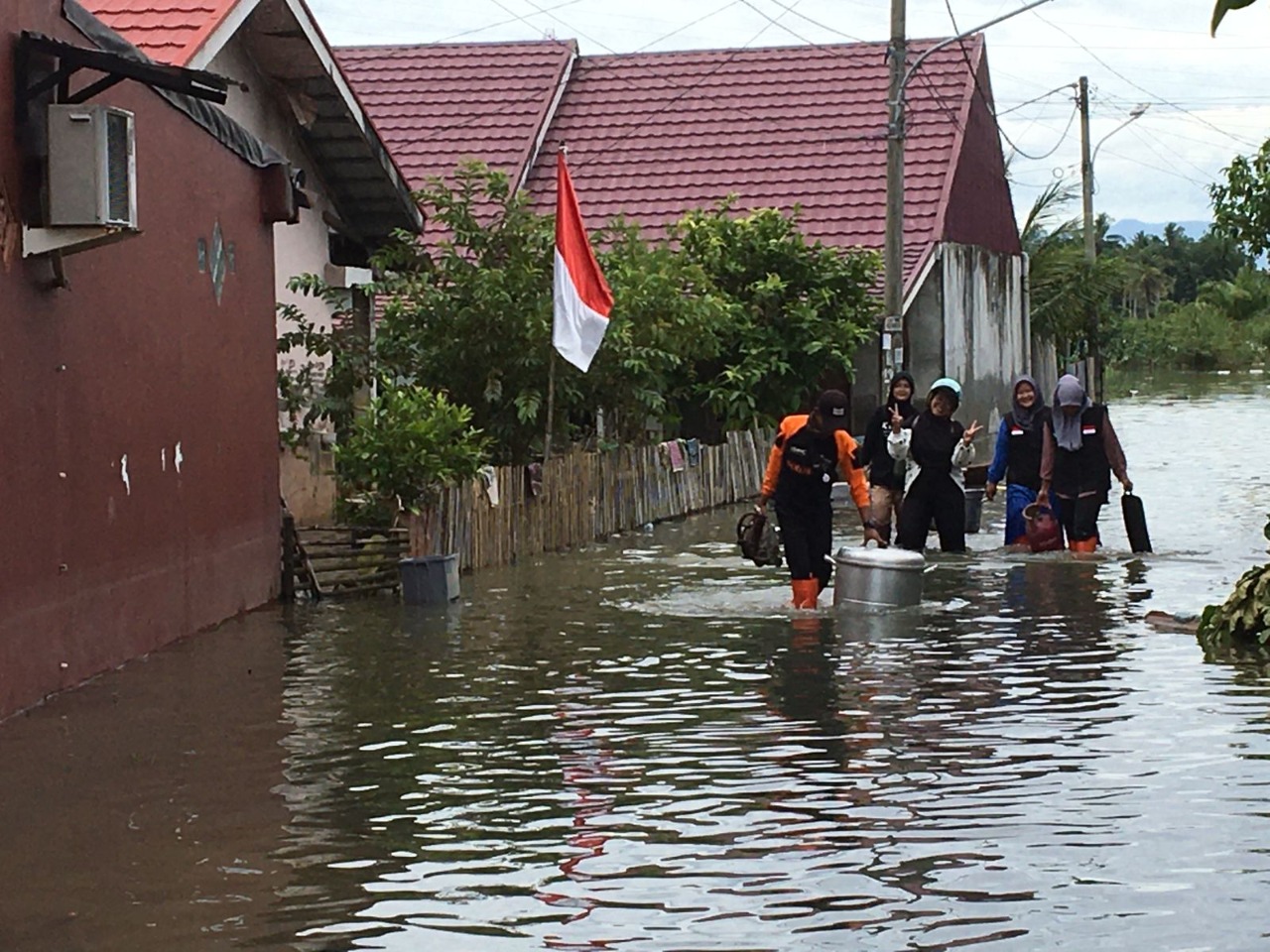
High rainfall from Monday (8/29/2022) to Friday (9/2/2022) that hit Bengkulu Province has resulted in 7 areas in the form of 6 Regencies and 1 City in Bengkulu Province being submerged, namely Bengkulu City, Seluma Regency, North Bengkulu Regency, Central Bengkulu Regency, Kaur Regency, Mukomuko Regency and Rejang Lebong Regency.
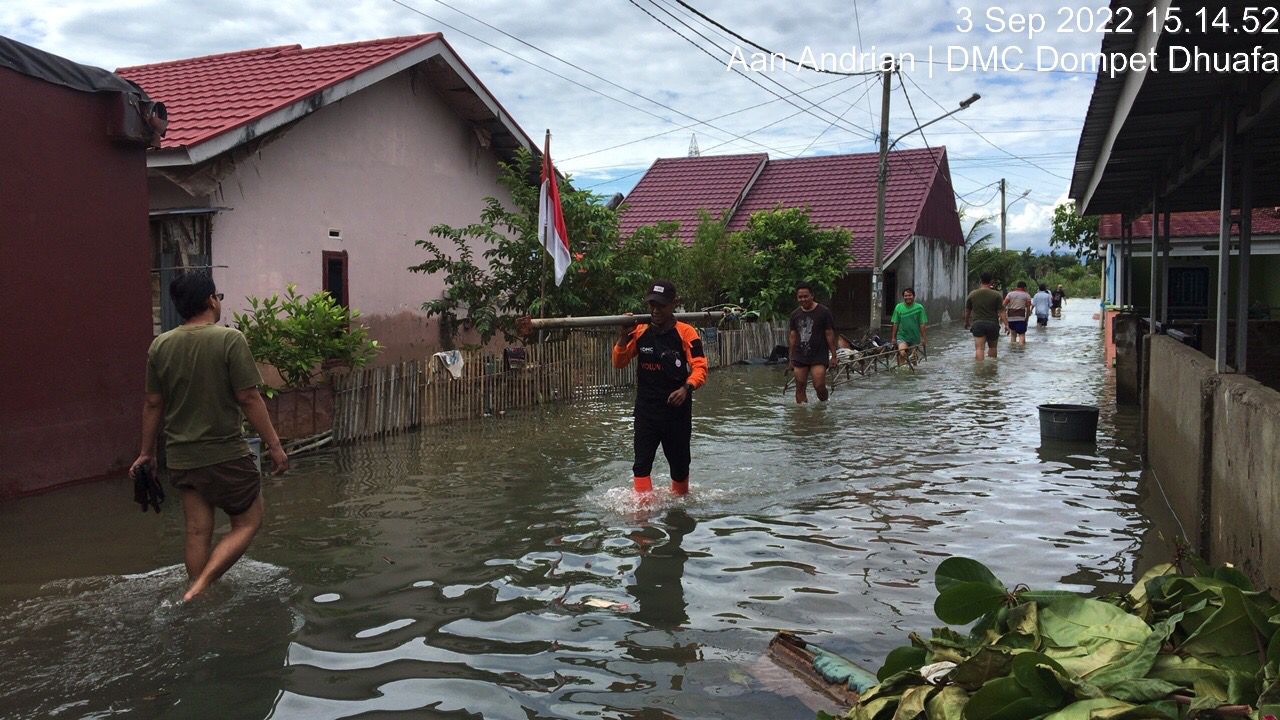
With a total of 7,881 families affected by the flood, 73.5 hectares of rice fields submerged, 19 schools submerged, 1 hospital submerged, 21 bridges damaged with estimated losses reaching 171 billion rupiah. In addition to the flood, 3 districts were also affected by floods and landslides, namely Kaur, North Bengkulu and Central Bengkulu.
In Bengkulu City, 2,576 families were affected, along with 5 schools, 4 mosques, 6 offices and 50 hectares of rice fields were submerged by the flood. Meanwhile, in Seluma Regency, 1,076 families were affected and 2 bridges were damaged. Then in North Bengkulu Regency, 1,973 families were affected, 13 schools were submerged, and 17 suspension bridges were damaged. Then in Central Bengkulu Regency, 1,311 families were affected.
In one area, 120 families were affected, with one school and one hospital submerged in Kaur Regency. In Mukomuko Regency, 262 families were affected. Finally, in Rejang Lebong Regency, 45 families were affected, two bridges were submerged, and 23.5 hectares of rice fields were submerged.
With high rainfall intensity, and aggravated by the coal mining, Bengkulu is prone to natural disasters. Although there was a rejection and a petition to close the coal mine in 2019, it is still operating but temporarily stopped.
Stone mining in Bengkulu does have a long history. This can be traced back to the 1980s with the discovery of Miocene Coal in the Bengkulu Basin. This location stretches from Central Bengkulu Regency to almost the entire province.
Since it began operating, various conflicts have arisen, ranging from agrarian conflicts, land disputes, damaged environments, and other problems. The Indonesian Forum for the Environment (Walhi) Bengkulu has recorded at least more than 50 mining companies that have obtained exploration and exploitation permits for coal, gold, and iron sand.
Ironically, this is compounded by the fact that all the profits from this mining tend to be exploited by other countries. “80 percent of mining production in Indonesia is to meet the consumption of carbon-contributing countries that trigger global warming such as the United States, China, India, and Singapore,” said Beni Ardiansyah as the Director of Walhi Bengkulu in 2013 as written by Kompas (30/11/2013).
Disaster Management Center (DMC) Dompet Dhuafa urges the public to increase their capacity for disaster mitigation. This encourages the community to propose a natural disaster contingency plan in Bengkulu.
“Seeing the above reality, we urge the public to have a basic understanding of natural disaster mitigation. Apart from that, we urge the public to switch to an environmentally friendly lifestyle so as to reduce the potential impact of the climate crisis,” explained Haryo Mojopahit, Chief Executive of Dompet Dhuafa’s DMC.
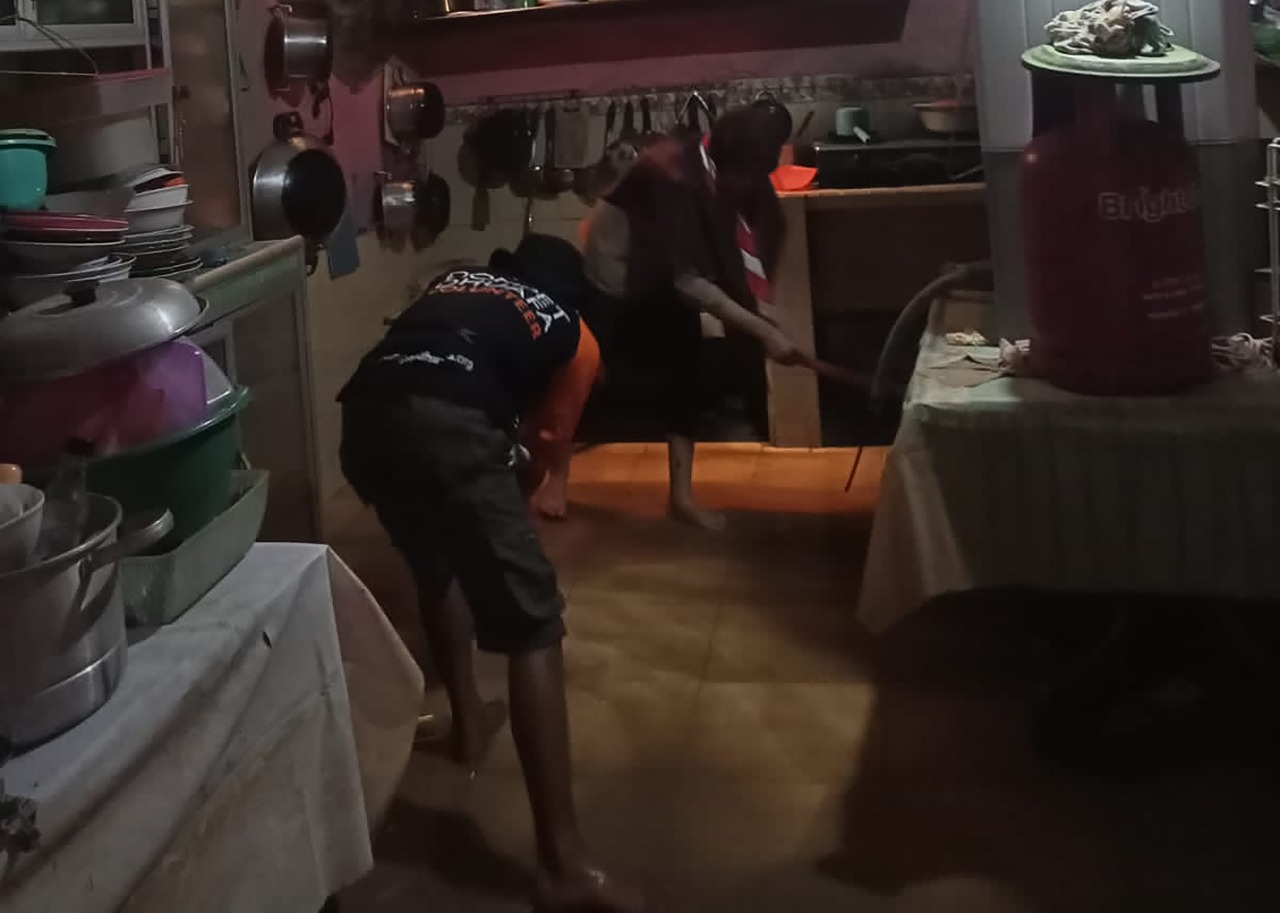
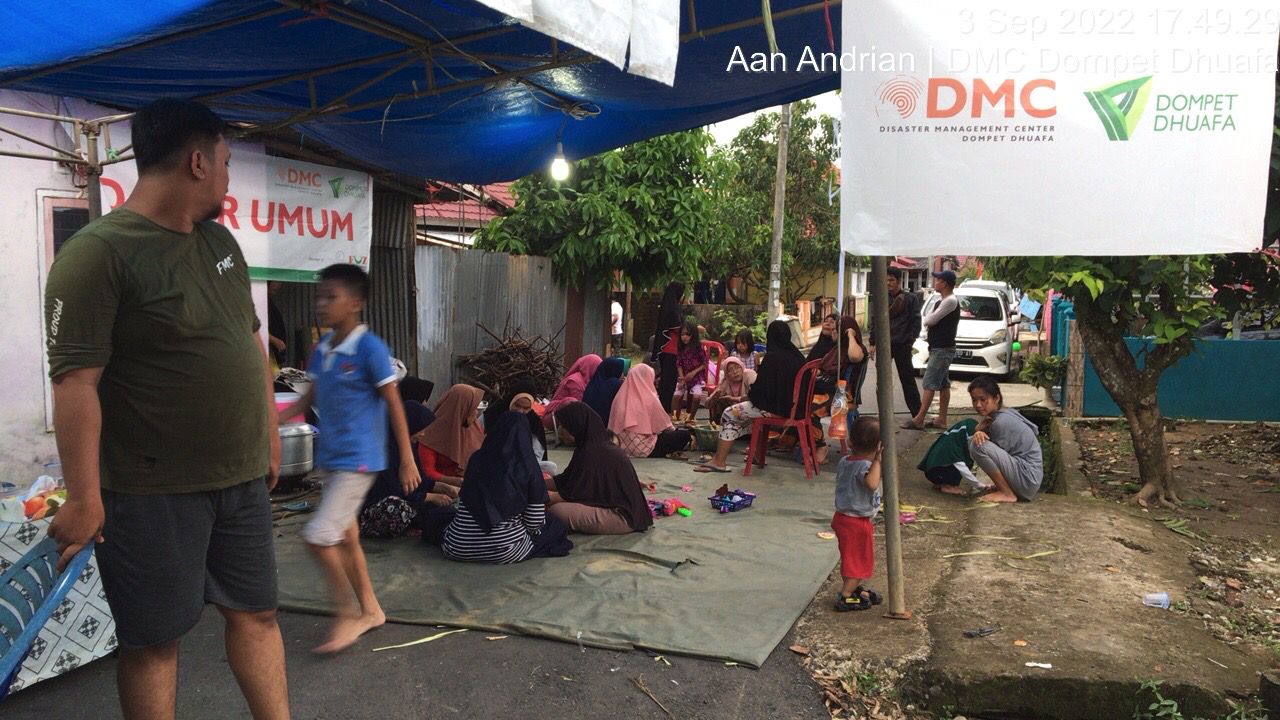
During the flood disaster in Bengkulu last August, Dompet Dhuafa’s Disaster Management Center (DMC) carried out clean-up actions, helped evacuate residents’ equipment, distributed hygiene kits, and set up public kitchens and warming stations in Sawah Lebar Baru Village, Ratu Agung District, Bengkulu City. The DMC (Dompet Dhuafa) service action was carried out from September 2, 2022 to September 4, 2022. With a total of 950 beneficiaries.
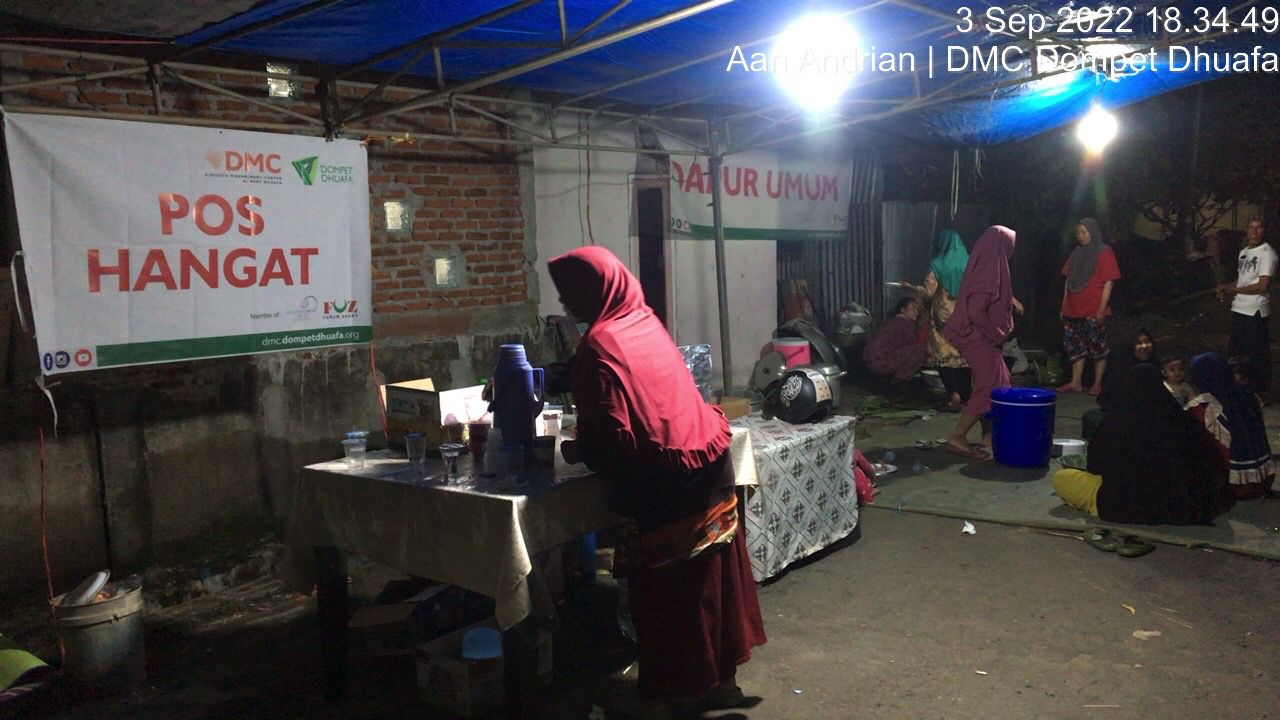
In supporting disaster management services, Dompet Dhuafa Disaster Management Center (DMC) has several programs to support disaster management. In the pre-disaster stage, Dompet Dhuafa DMC has programs for Disaster Response Areas, Climate Change Adaptation, and Disaster Education and Training.
Meanwhile, in the disaster emergency response stage, DMC Dompet Dhuafa has the Indonesia Siap Siaga program. Finally, in the recovery phase, DMC Dompet Dhuafa has the Jembatan untuk Kehidupan and Hunian Sementara or Hunian Tetap programs. In addition, DMC Dompet Dhuafa also has programs derived from the main programs above in the form of Air untuk Kehidupan, Less Plastic More Action, and Tas Siaga Yatim.
People from various backgrounds and age groups can participate in the DMC’s Dompet Dhuafa’s good programs. With the spirit of KolaborAksi, DMC Dompet Dhuafa intends to collaborate with all people to care for the environment and become capable, dexterous, and trustworthy disaster management agents.