


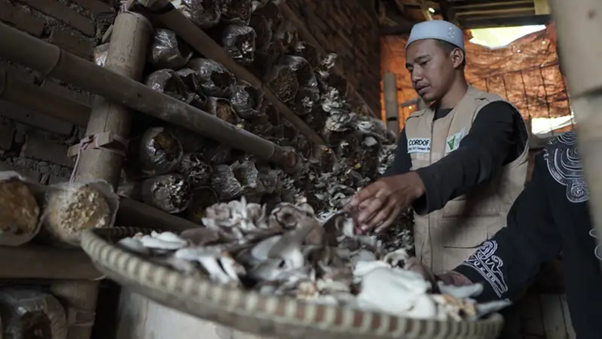
WEST JAVA — In a simple house, the sound of a machine hums softly as it makes baglog—the local term for the growing medium for oyster mushroom seedlings. There, Ustaz Sopwan Ismail appears solemn as he presses wood powder into clear plastic. This is not just a routine job, but part of his efforts to foster hope through oyster mushrooms. His preaching takes tangible form.
Ustaz Sopwan Ismail is a Transformative Dai assigned by the Corps Dai Dompet Dhuafa (Cordofa) in Mekarmanik Village, Cimenyan District, Bandung Regency. There, he turns his message of preaching into an economic movement that empowers the community. A Transformative Dai who transforms the message of preaching into an economic movement for the community.
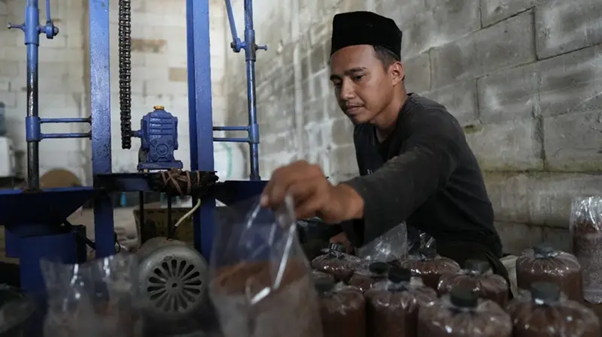
With the help of a compacting machine, making these baglogs is easy and saves time. From early morning until we arrived at noon, Ustaz Sopwan had already made around 50 baglogs, each weighing 1.5 kilograms.
That day, as on most days, he was assisted by Odi, a beneficiary of the oyster mushroom cultivation program he initiated in Mekarmanik Village.
Ustaz Sopwan said that he started oyster mushroom cultivation in 2024 and currently there are 10 people who benefit from each harvest. Initially, he bought 250 baglogs. After cultivation, the oyster mushroom harvest is immediately sent to the market to be sold.
Read also: New Light for New Muslims in the Riau Islands, Cordofa Launches the PEMULIA DD Program
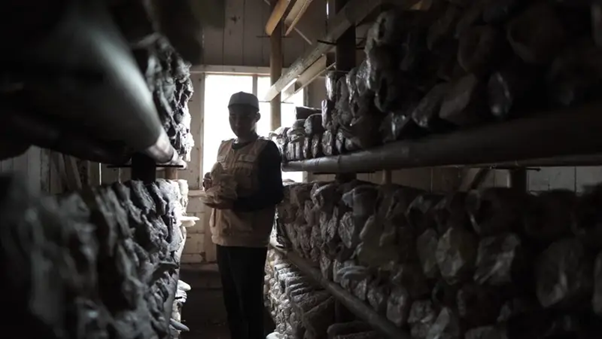
“Praise be to God, after cultivation, it also produces results. Each beneficiary earns 300,000 rupiah per month or 1.2 million rupiah per four months. This is because the oyster mushroom baglog cycle ends every four months,” said Ustaz Sofwan.
After three harvest cycles or approximately 12 months, oyster mushroom production continues to grow. Currently, there are at least three thousand oyster mushroom baglogs being managed. During this time, Ustaz Sopwan has continued to learn, evaluate, and develop oyster mushroom cultivation for better results. One of the results is the ability to produce seeds and baglogs independently.
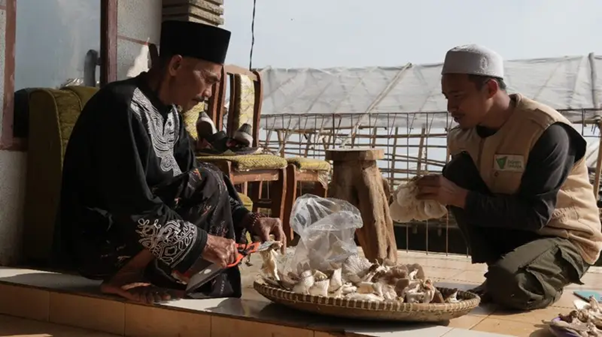
Ustaz Sopwan said that making your own seeds and baglogs can reduce production costs. This means that beneficiaries can get more.
“Finally, now, as a result of learning, I and the beneficiaries are making our own seeds and baglogs. This is so that the beneficiaries’ income can increase. My main target for 2026 is for the beneficiaries to earn the equivalent of the Bandung minimum wage,” said Ustaz Sopwan optimistically.
The beneficiaries of oyster mushroom cultivation selected by Ustaz Sopwan are among the eight categories of zakat recipients. In this case, they are the poor, including elderly people who are no longer able to work hard, farmers who are too poor to own land, and casual workers who have no steady income.
“This oyster mushroom cultivation initiative came from the community itself. Every night, we always chat with the mosque congregation, especially those who are eligible for zakat. They often complain about their economic situation. After I successfully tried growing a small amount of oyster mushrooms, they wanted to try it too. Finally, after several months, it was successful and continues to grow,” said Ustaz Sopwan.
Strengthening the community’s economy through oyster mushroom cultivation is one of the many things Ustaz Sopwan does in Mekarmanik Village.
Read also: Cordofa Receives Award for Contributions to Da’wah in the 3T Region
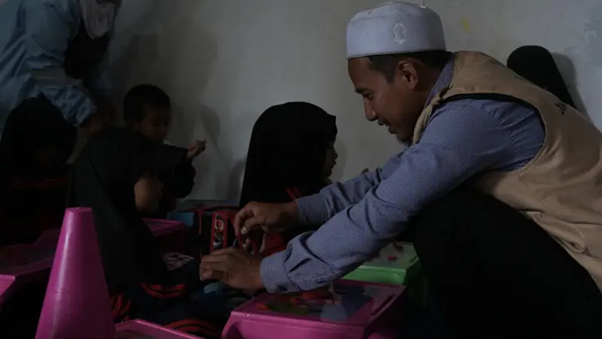
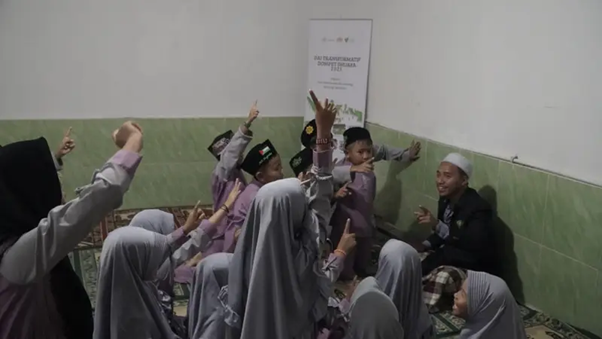
Ustaz Sopwan talked about his efforts to revive Quran recitation activities at the mosque. Before he arrived, the mosque was often empty, as if it were merely a symbol. However, after his arrival, the mosque became lively, with children, teenagers, and even adults participating in reviving the mosque.
With the help of his wife, Ustaz Sopwan established a Quran Education Park (TPQ) for children. Around 60 children are enrolled in this Quran recitation learning activity.
“At first, my wife and I just organized small activities for the children, while I also taught my two children to recite the Quran. After some time, many parents brought their children to join the Quran recitation classes. Eventually, one of the early childhood education centers invited us to become one of their branches,” said Ustaz Sopwan.
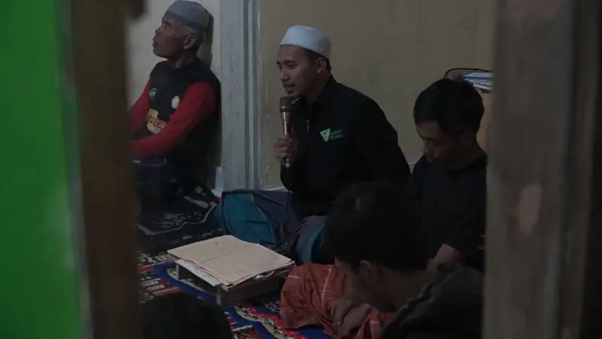
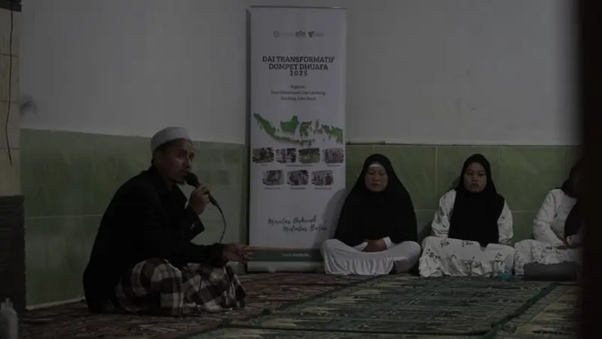
Not only children, Ustaz Sopwan also created a religious study schedule for parents every three days a week. Through these recitations, he taught many things about Islam, especially fiqh.
“Alhamdulillah, after the arrival of Dai Transformatif, many mothers and fathers who previously did not participate in recitations are now doing so. And many are studying religious knowledge more deeply,” said Ustaz Sopwan.
He believes that preaching should not stop behind the pulpit, but must have a real impact on the lives of the people. According to him, Dai Transformatif is like a lantern that can dispel darkness with its bright light.
Read also: Welcoming the 3rd Grand Harvest, Dai Pemberdaya Empowers Red Onion Farmers in Kampung Cikawari
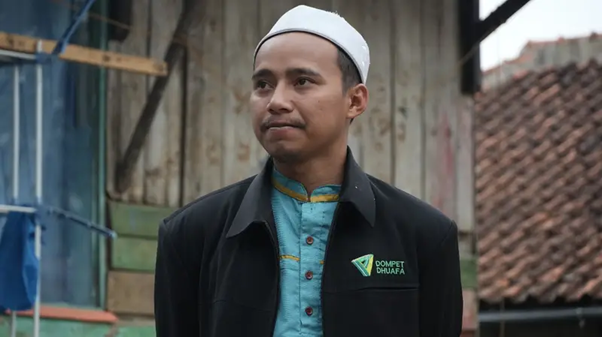
His responsibility in carrying out his duties as a Transformative Dai is not as easy as turning his palm. There are always challenges that he must overcome. However, he relies on a quote that continues to inspire steadfastness in his heart, namely “the best human beings are those who are useful to other human beings.” (Dompet Dhuafa)
Text and photos: Cordofa, Anndini
Editor: Dhika