



The Meaning of the Hajj Pilgrimage to Wukuf in Arafah
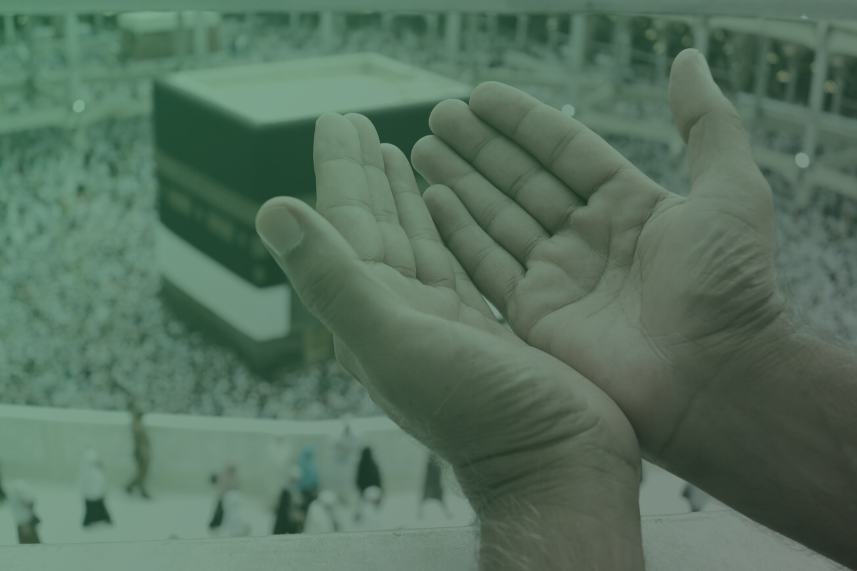
Wukuf in Arafah is the peak of the Hajj pilgrimage, which contains analogies with the journey of humans to the afterlife, including the need for Allah’s forgiveness, and the Hajj pilgrimage as a means of atoning for sins. The Prophet Muhammad (peace be upon him) said: “Whoever performs the Hajj and does not commit any evil deeds or transgressions, will return pure (forgiven) of their sins, just as when their mother gave birth to them.” (Mutafaq ‘Alaih).
Forgiveness (maghfirah) is something that is greatly needed by humans when embarking on the journey to the afterlife, and the gateway to the afterlife begins with death. And the Prophet Muhammad (peace be upon him) taught us when burying the deceased to ask Allah for forgiveness and steadfastness: “Istaghfiru Li Akhikum Was-alu Lahu Bit Tatsbit Fainnahul Aan Yus-al.” (HR. Abu Daud). Ask Allah for forgiveness and steadfastness for your brother because he will soon be questioned.
When prospective pilgrims leave their homes, they must leave and part with their families, relatives, and loved ones, leaving behind their possessions except for the provisions needed during their journey, and they must leave their country, hometown, and homeland to fulfill Allah’s call to the holy land. That is what will happen when a person is called by Allah SWT with death to the eternal land (qubur).
Read also: The Meaning of Hajj and Qurbani (Part 2)
When arriving at the miqat, prospective pilgrims must remove all outer and inner clothing, oversized clothing, and all worldly attributes/ranks. They must change their body coverings to permitted clothing, namely two pieces of ihram cloth (one wrapped around the waist and the other draped over the shoulders). This is what will happen to every Muslim when they begin their journey into the gates of the afterlife, namely death. They will only be dressed in three pieces of shroud cloth, while all worldly clothing will be left behind and not worn.
Staying in Arafah on the 9th of Dhu al-Hijjah
On the 9th of Dhu al-Hijjah, the pilgrims gather to perform wukuf in the open field of Arafah while chanting prayers, supplicating to Allah, acknowledging and repenting for all the sins they have committed while hoping for forgiveness and the pleasure of Allah SWT. However, we will all eventually gather at one place of assembly, Makhsyar, where everyone will need His intercession, help, ease, and mercy.
All of this will remind us of death and the journey to the afterlife. Therefore, those who perform the Hajj are expected to be more aware and understand the meaning of the journey they are about to undertake as best as possible, and then apply that awareness in their daily lives, whether individually, within their families, or in society at large. (Dompet Dhuafa / AFQ / Dhika Prabowo)