


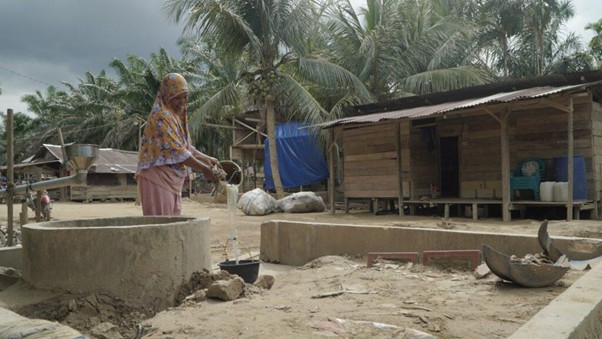
ACEH —-— Ialah Rohani (50), a resident of Dusun Masjid, Sulum Village, Sekerak Subdistrict, Aceh Tamiang, recounted her experience facing water shortages in the aftermath of the November 2025 disaster. Her story speaks for every survivor there.
Sulum Village was left in ruins after a flash flood swept through the village. The wells that had previously been used were filled with mud, leaving residents without access to clean water. Days, weeks, and even months later, the situation remained unchanged.
Rohani said that to meet their water needs, they had to go down to the Kuala Simpang-Tamiang River. Although it wasn’t as clear as hoped, the river water wasn’t as foul-smelling as the water from their wells.
“We only bathe and wash clothes in the river. Not for drinking. Because it’s murky too. For drinking, we go far into other people’s oil palm plantations. There are small ditches there. We take two jerrycans of that water but let it settle first before cooking. That’s the water we drink,” said Rohani.
“That ditch water is what we drink. We also use it for cooking. So the river and well water here can’t be used. It’s that murky. Just look at that muddy water,” she added.
Read also: 8 Months Pregnant, Juliana Endures Life in a Refugee Camp in Bireuen, Aceh
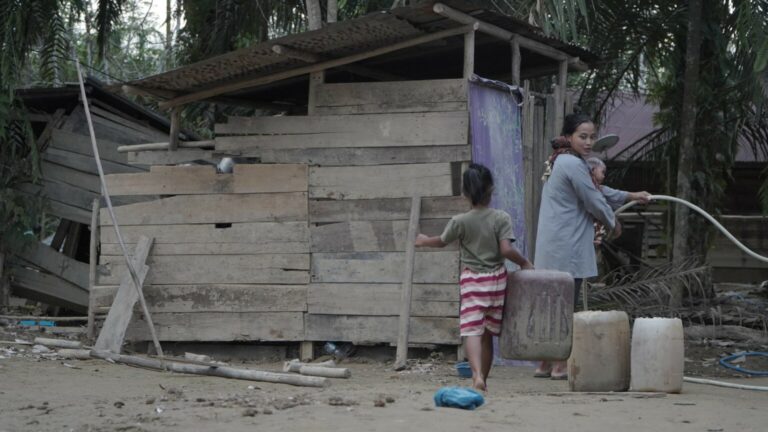
However, the water in the ditch isn’t always reliable. Sometimes the water in the garden ditch isn’t available because it’s dry, and other times it can be dirty and smelly.
“Sometimes it smells like monkey feces. It’s unpleasant, isn’t it?” Rohani complained.
“Yes, how can we survive? Even though we’re afraid of crocodiles, we have no choice but to go to the river,” said Rohani.
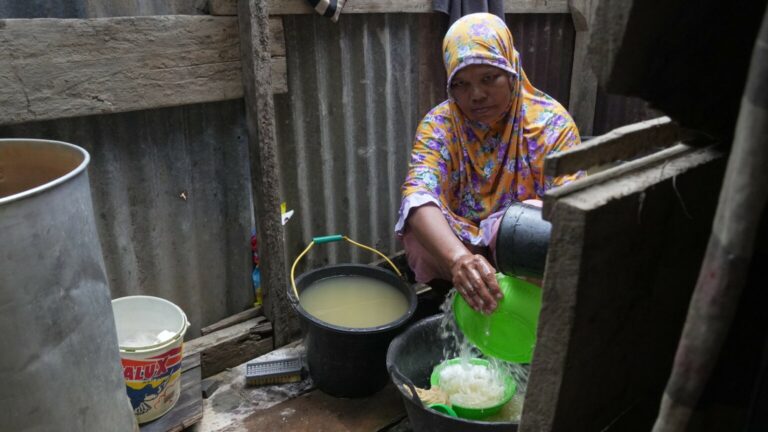
Rohani now lives with her husband, two children, and one grandchild. They reside in a stilt house they built from scattered wooden planks. At the back of this simple home is a kitchen where Rohani cooks and washes her cooking utensils.
During this Ramadan, the clean water crisis has become an increasingly urgent problem. Rohani admits that she has difficulty performing her religious duties due to the lack of clean water for wudu.
This difficulty is felt even more when the residents need water at night. When that happens, Rohani usually asks the men in the house to fetch water from the ditch in the garden.
“At night or during suhoor, I ask the men to fetch water from the ditch. ‘Go get some water from that ditch first, so we can use it for cooking and for wudu for the Subuh prayer.’ They fetch the water from that garden. I’m afraid to go out at night, so they do it instead,” said Rohani.
The lack of access to clean water means that every household need depends on the availability of water from rivers, wells, and ditches. The water they collect is not only used for cooking and drinking but also for bathing, washing, and performing wudu for prayer.
“We simply can’t do without water. It’s truly essential. Water for drinking, washing, bathing, and prayer. Water is so important; I always pray for clean water here,” said Rohani.
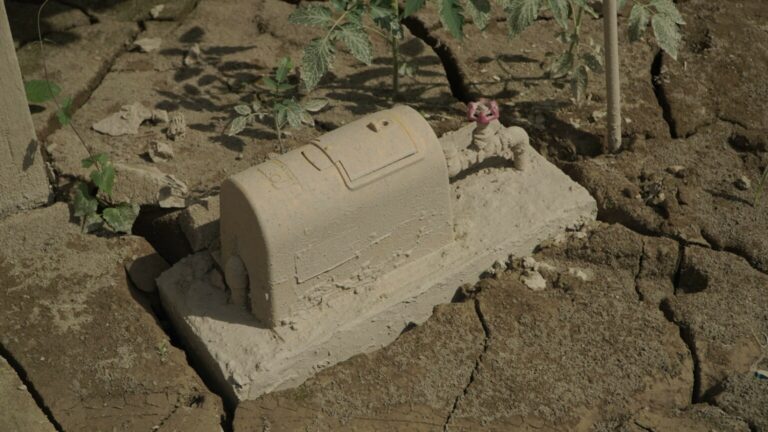
Aceh Tamiang, the easternmost region of Aceh, serves as the meeting point between the provinces of Aceh and North Sumatra. It is no surprise, then, that this region has long been home to a diverse population. Diversity is a common sight here. However, an ecological disaster that occurred in late 2025 has left them facing a shared problem: a clean water crisis.
Even as Ramadan began—more than three months after the devastating flood—this issue remained unresolved. Residents still struggled to access clean water, forcing them to use dirty water that smelled of mud.
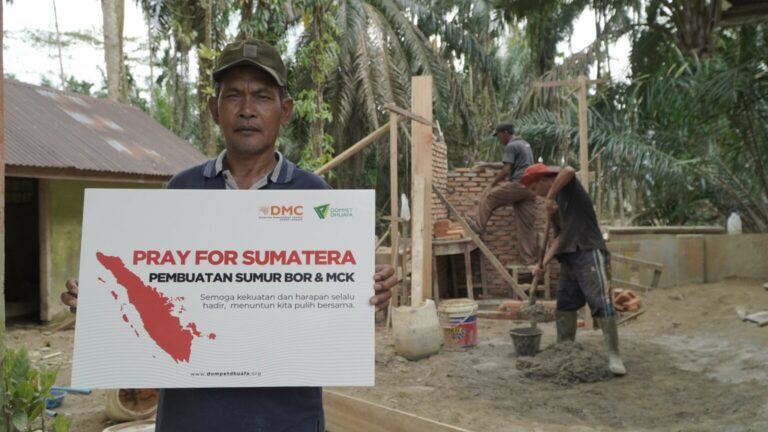
To address the clean water crisis faced by flood-affected residents in Aceh Tamiang, Dompet Dhuafa’s Disaster Management Center (DMC) constructed boreholes at several locations. These include Rantau Bintang Village and Batang Ara Village in Bandar Pusaka Subdistrict; Sukamakmur Village and Sulum Village in Sekerak Subdistrict, Aceh Tamiang; as well as two wells in East Aceh at Batu Sumbang Village, Simpang Jernih Subdistrict.
It is hoped that these boreholes and sanitation facilities can be utilized by residents to meet their daily clean water needs, including for cooking and religious observances during the month of Ramadan.
“The activation of these boreholes and sanitation facilities is part of our efforts to support affected residents during the recovery phase. Many areas in Aceh Tamiang and its surroundings are still facing a clean water crisis due to the floods. With the presence of boreholes and sanitation facilities in their residential areas, we hope the recovery process for affected residents will improve and accelerate,” said Ahmad Yamin, Head of DMC Dompet Dhuafa’s Response Team for Aceh Tamiang.
It is hoped that DMC Dompet Dhuafa’s drilled well assistance in Dusun Masjid, Sulum Village, and other areas will address the challenges faced by affected residents regarding the scarcity of clean water for survivors amid the water crisis. (Dompet Dhuafa)
Text and photos: Muhammad Afriza Adha, DMC
Editor: Dhika