


BANGGAI, CENTRAL SULAWESI –— The use of owls as natural predators to eradicate rat infestations in agricultural land is becoming increasingly widespread. Owls have now become farmers’ allies in controlling rat populations in rice fields.
This inspired Baron Hermanto, the Village Head of Sumber Harjo, to develop an Owl Quarantine program in his area. The village, which consists largely of rice fields, has adopted owls as an effective, ecology-based strategy to minimize the population of the primary rice pest: rats.
“Most of Sumber Harjo Village is made up of rice fields, and the majority of the people here are farmers. Therefore, we had to devise a strategy to prevent pests like rats from attacking the residents’ rice crops—one of which is using these owls,” explained Baron.
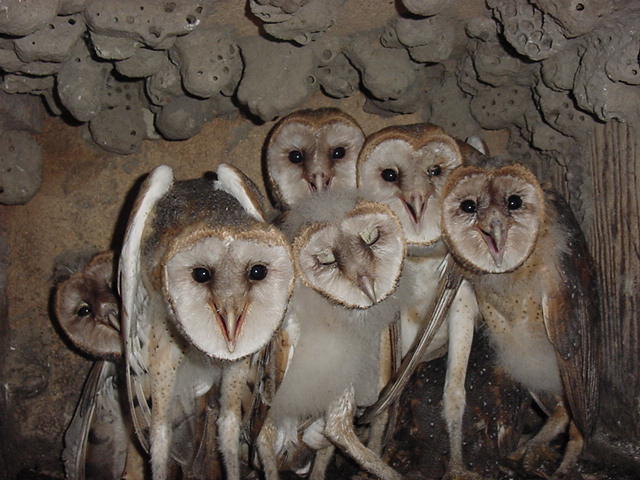
The owls being raised in this program are the Javan Barn Owl (Tyto alba), a large species (34 cm) easily recognizable as a white owl. In the wild, owl roosts are located at high elevations, which often results in owl chicks being found fallen in the rice fields. The Sumber Harjo Village owl rehabilitation program focuses on caring for these fallen owls so they can be utilized by farmers once they reach adulthood.
“The Tyto Alba Quarantine is a program to care for owls that have fallen from their nests in rice fields. Since owl nests are quite high, it’s not uncommon to find young owls—especially those that have just started walking—injured on the ground,” explained Baron.
Sumber Harjo Village, Moilong Subdistrict, Banggai Regency, Central Sulawesi, is one of the beneficiaries of the Village Empowerment School, a joint initiative between Pertamina-Medco E&P Tomori Sulawesi and IMZ Dompet Dhuafa. This program aims to build the capacity of village leaders to foster economic empowerment in the village. Armed with the knowledge gained from the Village Empowerment School, Baron and his colleagues began to learn and develop this program.
A single owl, or “1 rubuha,” is estimated to be capable of protecting 5 (five) hectares of rice fields. The owl’s keen eyesight and hearing allow it to hunt rats swiftly among the rice paddies.
“Owls are very sensitive, and each region has its own species and unique habitat conditions. The varieties in Java and Sulawesi differ, so the program must be developed using owls from the nearest local source,” he concluded. (Dompet Dhuafa / Central Sulawesi)