


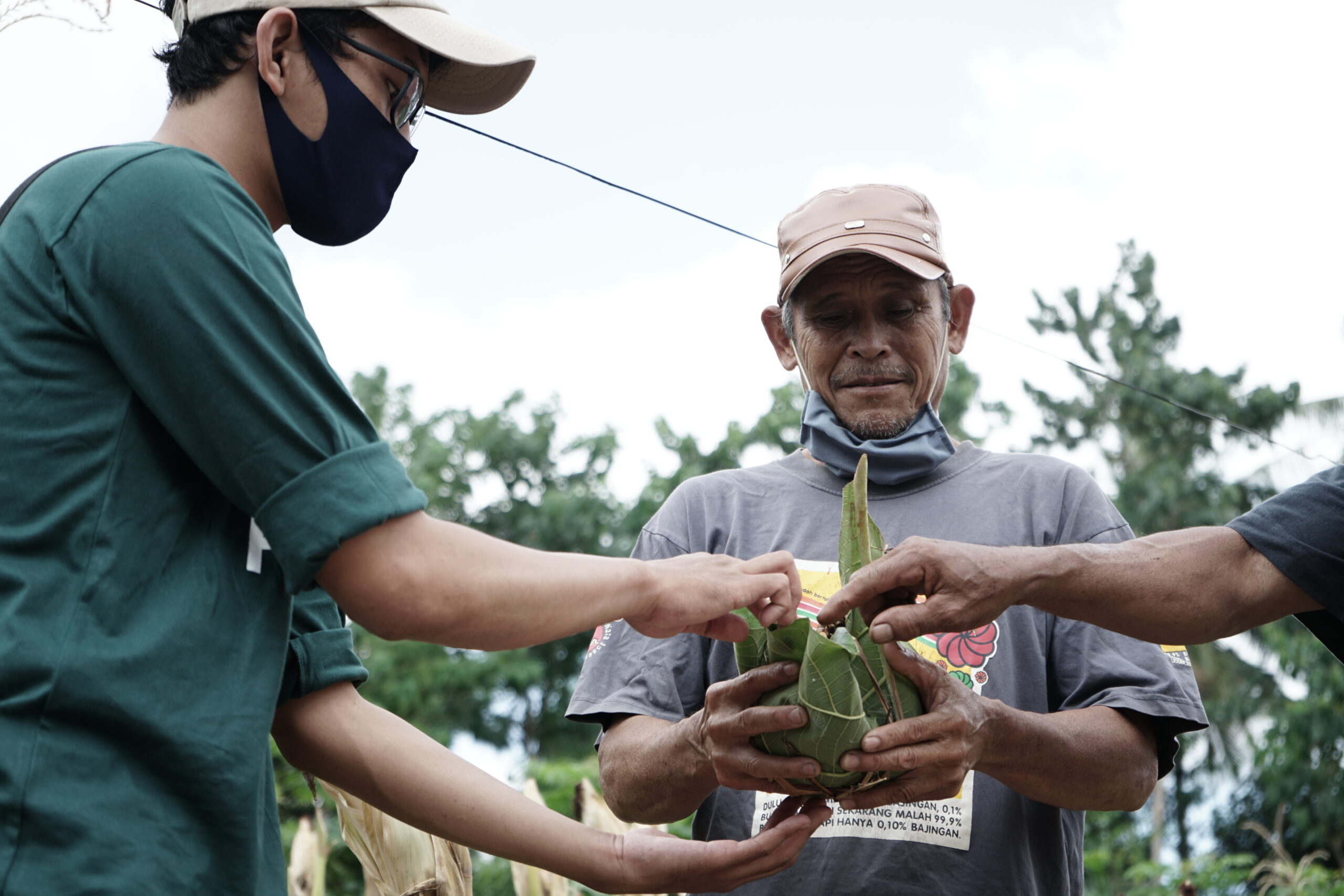
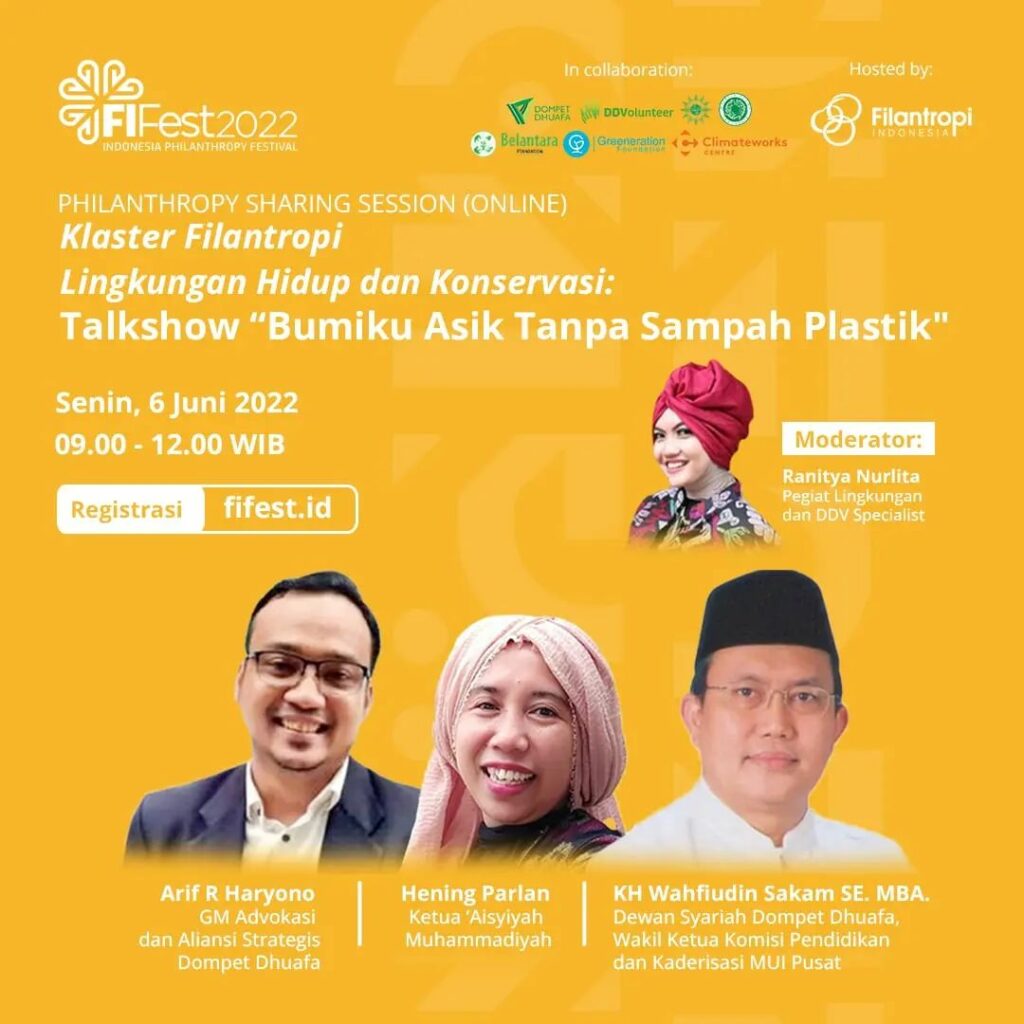
JAKARTA –– In order to enliven the 2022 Philanthropy Festival, Dompet Dhuafa, which is part of the Environmental Philanthropy and Conservation Cluster, held a talk show entitled “My Earth is Fun Without Plastic Waste” on Monday (6/6 2022) online. This event was held to commemorate World Environment Day, which falls on June 5, 2022. With the theme “Only One Earth,” Dompet Dhuafa wants to use this momentum to encourage the community to continue to protect the earth, the only place where humans live. One way to do this is by protecting the environment from plastic waste.
The speakers at this talk show were KH Wahfiudin Sakam SE MBA as Deputy Chair of the Education and Cadre Development Commission of the Indonesian Ulema Council (MUI), Hening Parlan as Chair of the Environment Division of LLH PB PP ‘Aisyiyah, and Arif R Haryono as GM of Advocacy & Strategic Alliances at Dompet Dhuafa.
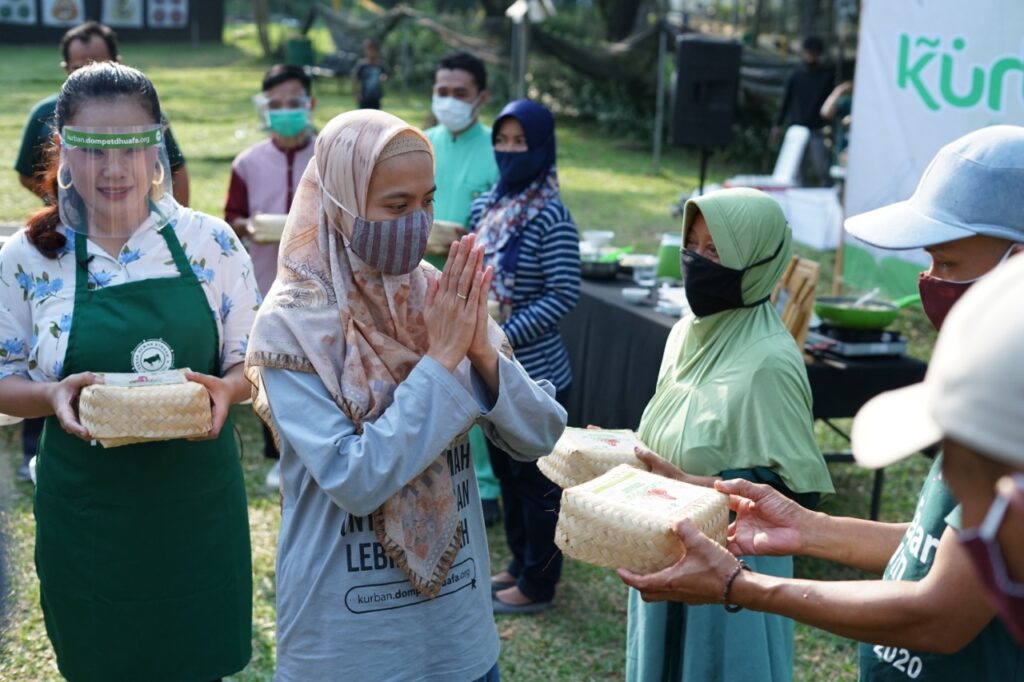
The Ministry of Environment and Forestry (KLHK) has issued circular letter number SE.2/PSLB3/PS/PLB.0/7/2019 on the Implementation of a Waste-Free Eid al-Adha to all local governments in Indonesia. The appeal issued by the KLHK was welcomed by all regional heads to prohibit their citizens from using plastic bags as containers for sacrificial meat.
“The circular letter issued by the KLHK is an appeal in which we encourage and implement the distribution of sacrificial meat without plastic bags. This is one of the manifestations of the implementation of the waste reduction and management program through community involvement,” said Novrizal Tahar, Director of Waste Management at the KLHK.
Rapid population growth is linked to food and energy consumption. The impact of urbanization also causes people to flock to cities, resulting in increased activity and waste consumption. The composition of waste based on source shows that 40.8% comes from household waste, 18.3% from commercial centers, 17.1% from traditional markets, and others. Meanwhile, the composition of waste based on type shows that 29.2% is food waste and 15.4% is plastic waste.
KH Wahfiudin Sakam, SE., MBA., Deputy Chair of the Education and Cadre Development Commission of the Indonesian Ulema Council (MUI), said that waste management can use fiscal and monetary funds regulated by the state. In addition, there are additional funds from community participation (Zakat & Wakaf) managed by social institutions concerned with the environment, one of which is Dompet Dhuafa. The distribution of zakat is not only for consumptive programs, but also for productive and empowerment programs.
“There are many unemployed people and a lot of waste. With this pattern (zakat and waqf), there is an opportunity to form a Value Chain and Economic Chain by creating waste management technology that can absorb labor. Live maturely and be responsible for yourself, your family, your generation, the environment, and be responsible to God in the hereafter,” he explained.
The Dompet Dhuafa volunteer network, Dompet Dhuafa Volunteer (DDV), from Aceh to Papua, collaborates with the Indonesian Philanthropy Environment Cluster and the women’s organization ‘Aisyiyah Muhammadiyah. This collaboration aims to continue the educational movement among the community in efforts to replace plastic with environmentally friendly packaging to welcome the Eid al-Adha momentum. DDV, which now has around 18,000 members, will also continue to invite other organizations to participate in this collaboration.

“To change environmental awareness patterns, three things must be done, namely: awakening the spirit, observing the culture around us, and approaching policy makers to create rewards and punishments. Success cannot be achieved alone, so let’s collaborate,” said Hening Parlan, Head of the Environmental Division of LLH PB, PP ‘Aisyiyah.
According to Arif R Haryono, GM of Advocacy & Strategic Alliances at Dompet Dhuafa, on the same occasion, he shared his reasoning that plastic is linked to poverty. Plastic is a material used by the lower-middle class. Sadly, Indonesia is the highest producer of plastic waste after China. The issue of waste must start with each individual for the sake of the survival of future generations.
“The use of plastic is linked to poverty rates. Plastic bags are still a way of life for the lower-middle class. Indonesia is the highest producer of plastic in the world after China. The issue of waste is not only for our generation but will also affect future generations. Let’s change our mindset, behavior, and policies so that we can reduce and recycle waste together,” he said.
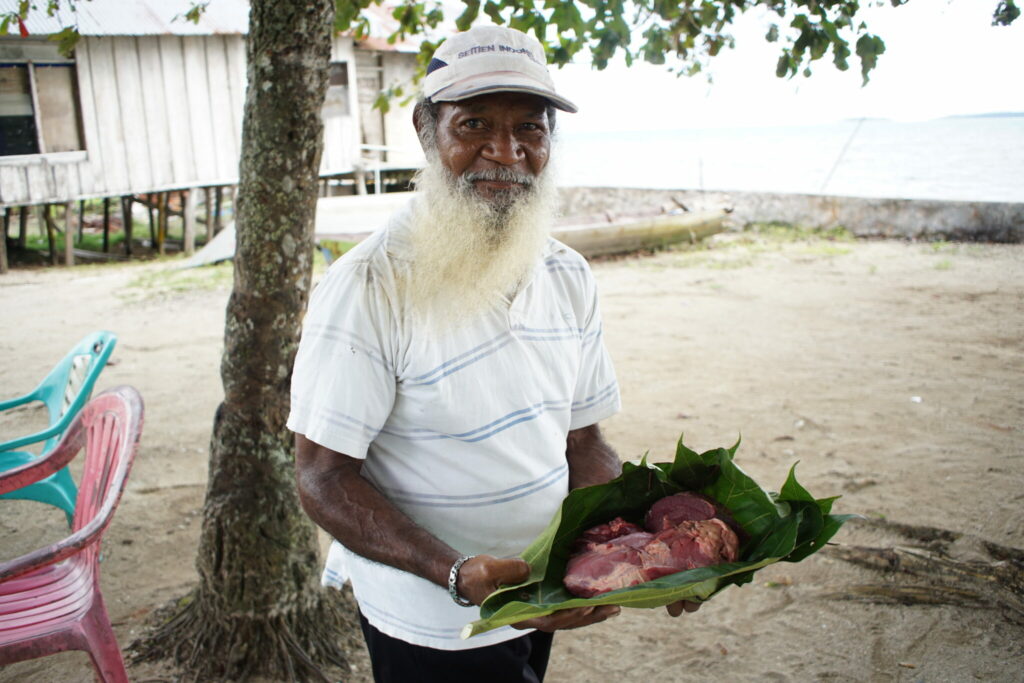
It is unfortunate that religious events actually increase plastic waste, including Eid al-Adha. Replacing meat packaging with natural materials such as leaves can benefit the environment and ensure the quality of meat by eliminating harmful chemicals found in plastic. Collaboration between the government, private sector, and community is needed for waste management, with the community changing their behavior, the private sector supporting facilities, and the government regulating incentives for the community.
“We were born on Earth, so we must be responsible for it. If there is responsibility, there must be caution in our actions,” added Ustadz Wahfiudin. (Dompet Dhuafa / Muthohar)