


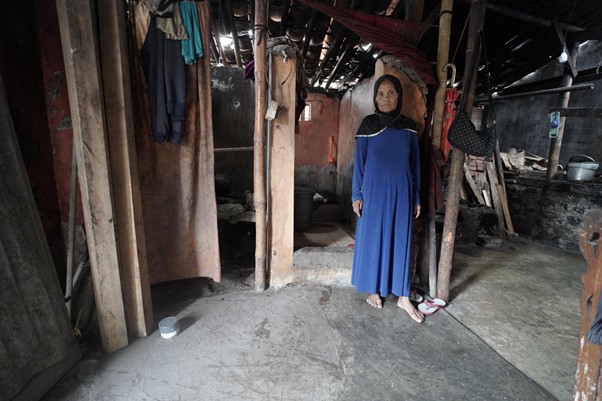
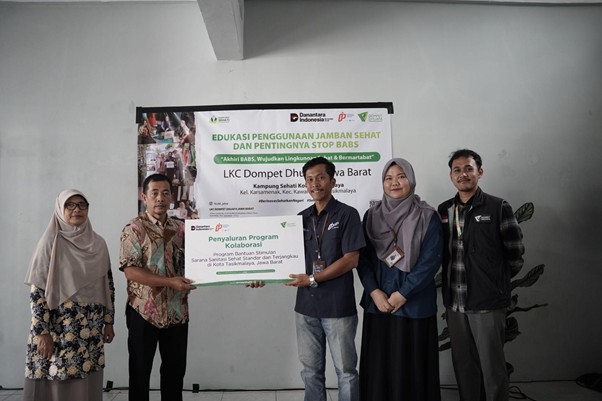
TASIKMALAYA, WEST JAVA -— The high number of people without access to proper sanitation in Tasikmalaya has prompted Dompet Dhuafa and PT Perusahaan Perdagangan Indonesia (PPI) to hold an event to promote the use of healthy toilets and educate the public about the dangers of open defecation in Karsamenak Village, Tasikmalaya City, on Thursday (10/23/2025). This activity was a collaboration between the Free Health Service (LKC) of Dompet Dhuafa West Java and PT PPI.
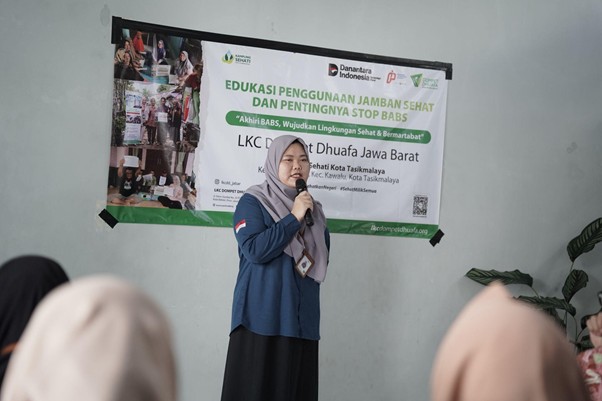
On this occasion, the Head of LKC West Java, Filly Muharani, said that since August 2025, LKC West Java has initiated an intervention through the Kampung Sehati (Healthy Sanitation) Program. To date, the program has reached 54 households in 24 neighborhood associations (RW) in the Karsamenak Village, Kawalu District, Tasikmalaya. She said that the ownership of healthy family toilets has had an impact on a healthier environment.
“This aims to change the community’s sanitation habits from defecating in the open to no longer doing so. It also encourages the community to sort household waste into organic and inorganic waste. Even in places like buildings or malls, there are always reminders not to dispose of trash or sanitary pads in toilets. This aligns with the Sehati Program’s intervention, which promotes family-based healthy toilets, not communal ones. So that if, for example, there are issues like a clogged septic tank due to family habits, it can be addressed directly,” he said on Thursday (October 23, 2025).
“We believe that collaboration between institutions, corporations, stakeholders, and even the community is an effort to improve the health of the nation. We are also grateful for the collaboration with PT PPI, which has made this program more beneficial,” he added.
Read also: New Sanitation Facilities Encourage the Spirit of MI Auladul Fazri Students
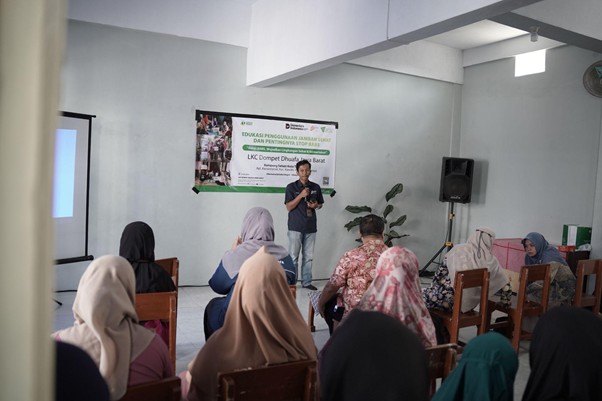
In line with this, Senior Staff TJSL (Social & Environmental Responsibility) of PT PPI, Adityas Prastyo, also mentioned that this program is a priority, an environmental pillar.
“We agree with what LKC Dompet Dhuafa said, this is an important foundation for the progress of the nation. One of them is adequate sanitation, so we distributed aid in the form of infrastructure facilities through Dompet Dhuafa in September 2025. Thank you, LKC Dompet Dhuafa, for your assistance from the initial assessment until now. Hopefully, we can make today a momentum for a healthier life,” he said.
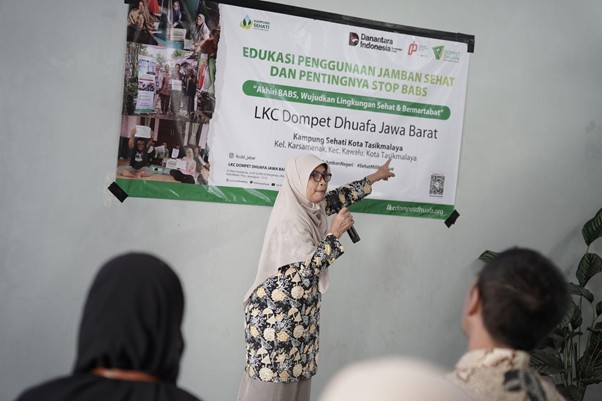
In her speech, the Head of the Tasikmalaya City Health Office, Anis Rosidah AMKL., SKM., invited the community to be grateful.
This is because currently, the Sehati LKC Dompet Dhuafa Program is only available in the Karsamenak sub-district of Tasik City. “I do think that here (Karsamenak sub-district) there is a need for community empowerment. We as a community must be aware and change, so that we can be cleaner and healthier.
We must avoid diseases caused by our own bad habits, such as diarrhea, typhoid, and stunting. Karsamenak is still located in the city, which means that the population is dense and the houses are close together, so we must care for each other in this regard,” said Anis.
Read also: New Sanitation Facilities Encourage the Spirit of MI Auladul Fazri Students
According to Detik Jabar, the Head of the Tasikmalaya City Health Office, Uus Supangat, said that 32 percent of families in Tasikmalaya City still do not have access to proper sanitation. Of the total 185,287 households, 32 percent do not have access to sanitation. That is around 59,291 households.
“Of the total 185,287 households, 32 percent do not have access to proper sanitation,” said Uus on Wednesday (8/21/2024).
Tens of thousands of families in Tasikmalaya City still defecate in the open (BABS). The toilet facilities used daily by around 19,000 households in Tasikmalaya City still do not meet healthy sanitation standards.
They still defecate in ditches or fish ponds. In addition, there are also those who already have toilet facilities in their homes, but the waste is still discharged into ponds, ditches or rivers. Therefore, it is still considered unhealthy or has a negative impact on environmental sanitation.
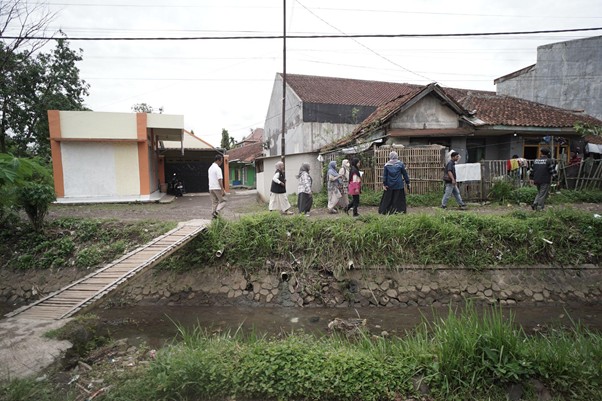
From the same source in the previous year, Acting Mayor of Tasikmalaya Cheka Virgowansyah said that the percentage of Open Defecation Free (ODF) in Tasikmalaya City was relatively low. According to him, the ODF rate in Tasikmalaya City is still around 17 percent. In other words, the majority or around 83 percent of Tasikmalaya City residents still defecate in public (BABS) or in places that do not meet health standards. This condition also worsens or increases the risk of polio transmission.
“This is a big homework for us, to improve the quality of environmental sanitation. Because sanitation conditions are related to the potential spread of polio,” said Cheka after attending polio immunization at the Mangkubumi Health Center in Tasikmalaya City, Monday (3/4/2023).
Cheka acknowledged that currently only 12 of 69 urban villages are ODF. Therefore, anticipatory measures need to be taken to improve health and environmental sanitation quality.
Read also: PT PPI and Dompet Dhuafa Provide Proper Sanitation for Tasikmalaya Residents
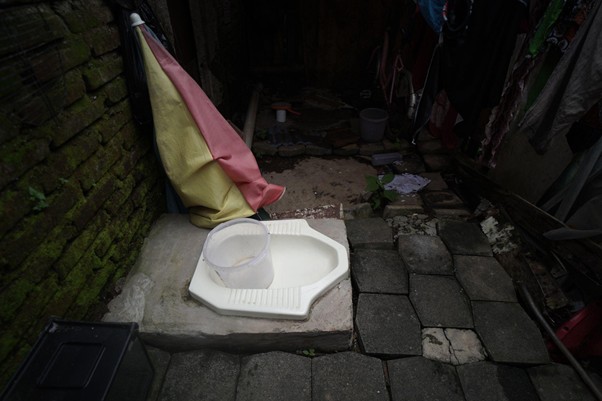
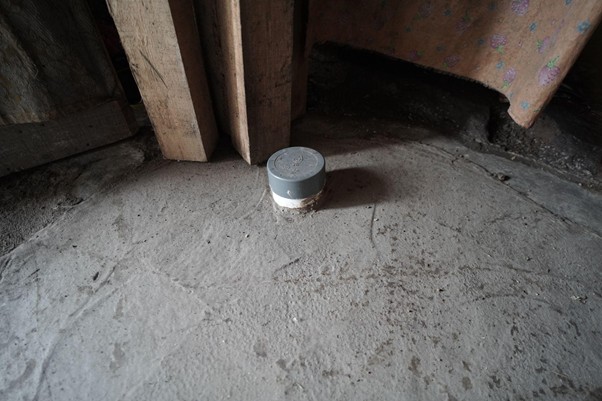
Mrs. Wiwin, a resident of RW 2, Karsamenak Village, admitted that she had always practiced open defecation in the river or in unsanitary conditions. She did this because it was a tradition passed down from generation to generation in her neighborhood.
“I live with my parents, so I have always followed their habits, including defecating. Well, we defecate in the river. So, I am very grateful that now I have a proper toilet and septic tank,” she admitted.
Yes, this education is an effort to raise awareness about the importance of having a healthy family toilet, which can also change behavior. Residents want to build, and the RT, RW, and sub-district authorities also want to care. The local health center also echoes the philosophy of Reduce, Reuse, Recycle, Replace, and Replant.
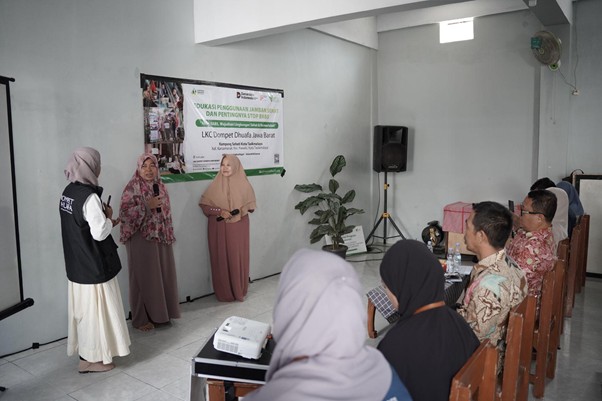
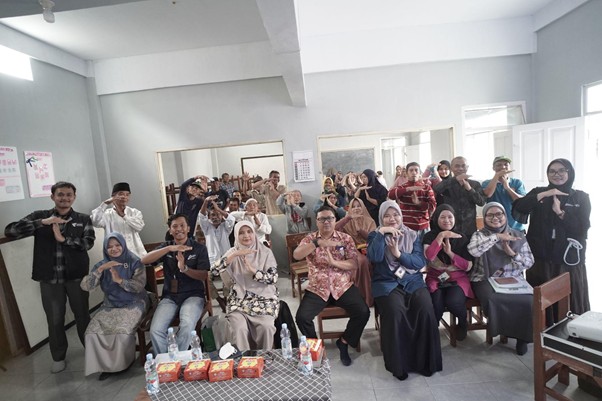
At the end of the session, West Java LKC Facilitator Rahmi Maulani explained preventive education, including how open defecation can cause water pollution, nutritional disorders, environmental pollution, and a decline in quality of life.
“People think that building a septic tank is expensive, when in fact the investment value is much more important. In fact, those that meet health standards cost less than Rp1 million. Therefore, we provide assistance in the form of incentives that then spark community cooperation to build healthier sanitation facilities. A toilet is considered healthy if it meets the following criteria: it does not pollute water sources, it is sturdy and safe, it is free from odors and insects, waste is managed properly, and it is easy to clean,” she explained.
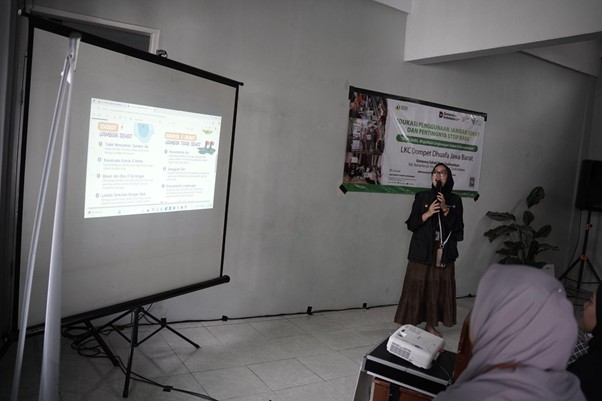
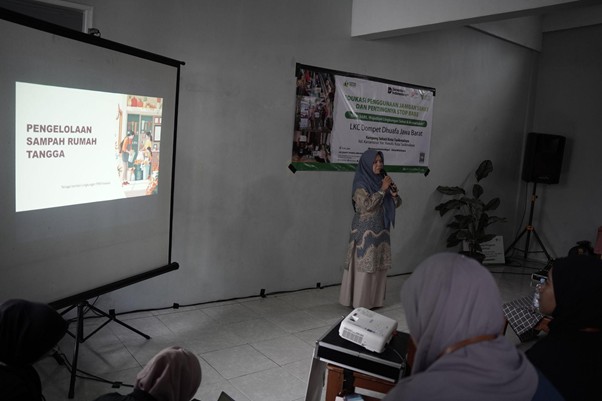
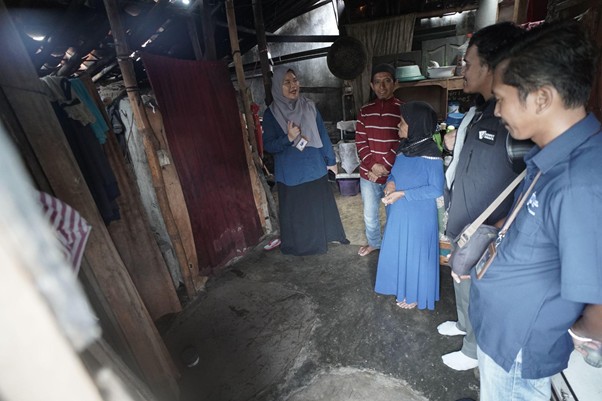
In addition to education, this activity also included a symbolic handover of toilet assistance and direct visits to the homes of aid recipients. This step is part of the Standard and Affordable Healthy Sanitation Facilities Stimulus Assistance program, which aims to raise public awareness of the importance of clean and healthy living behaviors (PHBS). (Dompet Dhuafa)
Text and photos: Dhika
Editor: Dedi Fadlil