

For years, Palestine has been witnessing one of the longest humanitarian crises in the modern world. Behind the constant news reports, there are millions of real stories of people living in deprivation and fear every day. From Gaza to the West Bank, the lives of the Palestinian people are marked by limited access to food, clean water, electricity, and health services. They are not just numbers in news reports, but human beings with hopes, dreams, and families who want to live in peace just like us.
The Bitter Reality in Palestine
Since the conflict escalated again, life in Gaza and the West Bank has become increasingly difficult. According to reports from international humanitarian agencies, more than 3 million Palestinians now need humanitarian aid to survive.
In Gaza alone, around 1.9 million people have lost their homes and are forced to live in temporary shelters, mosques, or emergency tents. They have not only lost their homes, but also the sense of security that every human being should have.
This humanitarian crisis affects almost every aspect of life. The already fragile health system is now on the verge of collapse.
Many hospitals are unable to operate due to a lack of fuel, medicine, and medical equipment. Doctors are forced to treat patients on the floor, while premature babies struggle without adequate incubators.
In addition, more than two-thirds of Gaza’s water and sanitation infrastructure has been damaged or destroyed. Residents struggle to obtain clean water for drinking or bathing. In some areas, they must survive on only a few liters of water per day for the entire family.
The Threat of Starvation and Child Nutrition Crisis
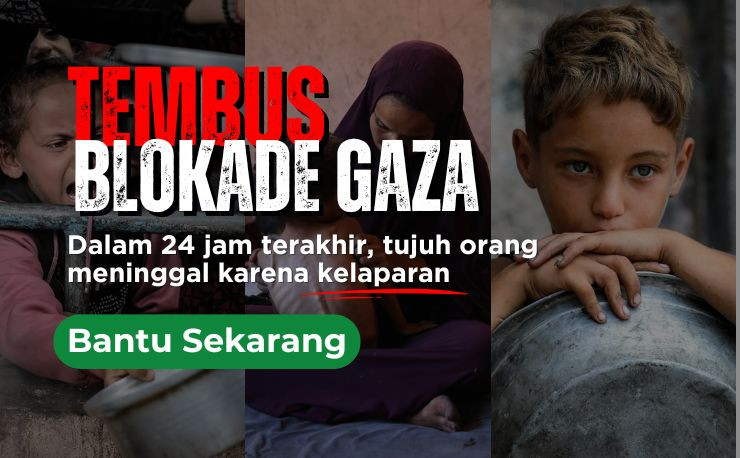
The food crisis is currently the most pressing threat in Palestine. The UN reports that more than half of Gaza’s population is experiencing acute food insecurity, with children being the most vulnerable group.
Many children are not getting enough nutrition, leading to an increase in cases of malnutrition and disease. Mothers must choose between eating little so that their children can still eat, or going hungry together.
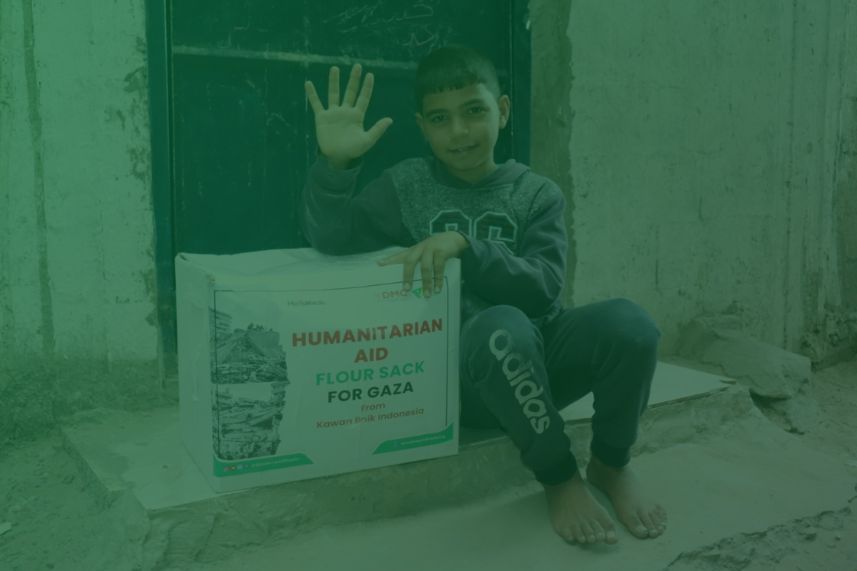
This situation is exacerbated by the limited supply of humanitarian aid that can enter the Gaza Strip. Every aid truck that arrives means life for thousands of people, but access is very limited due to the security situation and strict blockade. Many residents now rely on dry bread, whatever water they can find, and canned food that is nearing its expiration date.
When Schools and Homes Become Ruins
For Palestinian children, childhood is not filled with play and learning like most children around the world. Many schools have been destroyed or turned into shelters. They grow up amid the sound of sirens and explosions, not laughter in the classroom. More than 80% of children in Gaza are now unable to continue their education. Trauma and fear are part of their daily lives.
However, despite the destruction, their spirit remains unbroken. Many children still try to study in tents or mosque courtyards, using the books they have left. They believe that education is their only hope for a better future.
Despite living in extremely difficult circumstances, the Palestinian people show remarkable resilience. They do not give in to their circumstances. Many families continue to help each other, sharing whatever food they have and maintaining the spirit of communal prayer amid the ruins of mosques.
They live by a strong principle: “We have lost our homes, but we have not lost hope.”
The strength of their faith and social solidarity is what enables them to survive. However, that strength is not enough without support from the outside world. Every Muslim, every caring human being, has a role to play in alleviating this suffering.
Read also: Palestine and Our Humanity: When Prayers Must Be Accompanied by Action
Why Our Concern Is Needed Now
The crisis in Palestine is not just a political issue, but a humanitarian one. It is about the right to live, the right to eat, the right to feel safe. In Islam, we are taught to care for the suffering of others. The Prophet Muhammad SAW said,
“A believer is not a believer until he loves his brother as he loves himself.” (HR. Bukhari and Muslim)
This means that we cannot ignore the suffering in Palestine. We may not be able to be there in person, but we can lend a hand from afar. The little help we send can mean life for those who are now struggling to survive. Giving to Palestine is not just charity, but a form of solidarity. It is proof that human conscience is not dead, that the world still has a heart.