


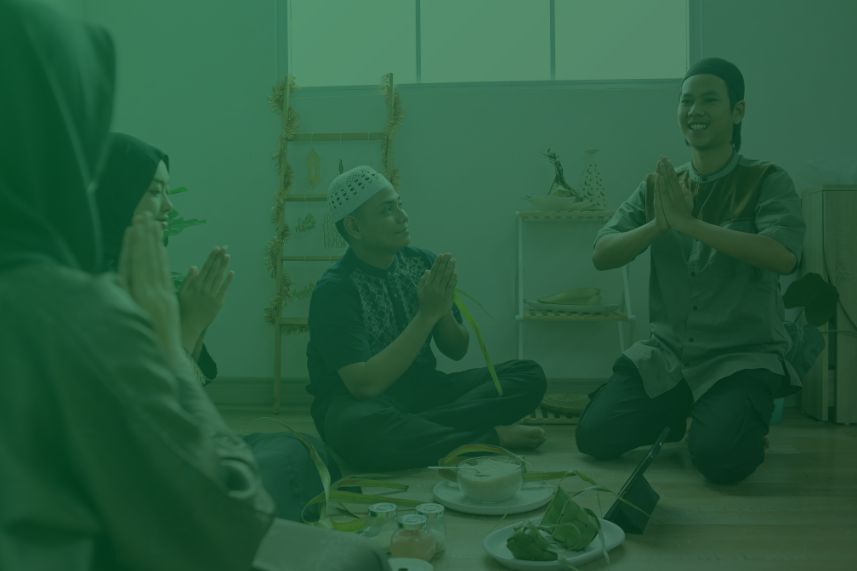
Eid al-Fitr is a time that is closely associated with visiting and strengthening ties among family, neighbors, and friends. The tradition of visiting during Eid is not only part of the community’s culture but also holds religious significance in Islam as it strengthens bonds of brotherhood. However, in Islam, visiting also involves proper etiquette during Eid so that the social visits bring blessings and do not cause discomfort to the host.
The Importance of Socializing During the Holiday
Socializing is one of the acts of worship highly encouraged in Islam. The Prophet Muhammad (peace be upon him) said:
“Whoever wishes for his provision to be expanded and his lifespan to be extended should maintain family ties.”
(Narrated by Bukhari and Muslim)
This hadith indicates that maintaining good relations with family and others has many virtues, including bringing blessings into one’s life.
Therefore, the Eid holiday is often used as an opportunity to visit one another and strengthen bonds that may rarely be maintained in daily life.
Etiquette for Visiting During Eid
To ensure social visits go smoothly, here are some etiquette guidelines for visiting during Eid according to Islamic teachings.
1. Greeting Upon Arrival
When visiting someone’s home, it is recommended to offer a greeting first. This is a Sunnah taught by the Prophet Muhammad (peace be upon him).
Allah the Almighty states:
“When you enter a house, offer a greeting of peace to its inhabitants—a greeting of blessings from Allah.”
(Quran 24:61)
The greeting serves as a sign of prayer and respect for the host.
2. Asking Permission Before Entering
In Islam, one is not permitted to enter another person’s home without permission.
Allah (SWT) states:
“O you who have believed, do not enter houses other than your own until you have sought permission and greeted their inhabitants.”
(QS. An-Nur: 27)
Asking for permission demonstrates respect for the host’s privacy and comfort.
3. Mind Your Manners and Words
When visiting, it is important to maintain proper etiquette in speech and behavior. Avoid words that might offend the host or discussing inappropriate topics.
Eid should be a time for mutual forgiveness and strengthening relationships, not for causing misunderstandings.
4. Do Not Stay Too Long If the Host Is Busy
Although visiting is a good thing, we must still be mindful of the host’s circumstances. If the host appears busy or is entertaining many guests, it is best not to stay too long in their home.
This is a way of respecting the host’s time and comfort.
5. Appreciate the Food Served
When visiting during Eid, the host usually serves various dishes such as ketupat, opor, or Eid cookies. As a guest, we should appreciate these dishes.
If you can’t finish all the food, simply taste it as a sign of appreciation for the host.
Read Also: Hadith on Visiting Relatives Opens the Door to Blessings, Is It True?
The Wisdom of Visiting Relatives During Eid
The tradition of visiting one another during Eid is not merely a custom but also holds profound wisdom. Visiting relatives strengthens family bonds, resolves misunderstandings, and reinforces brotherhood within the community.