


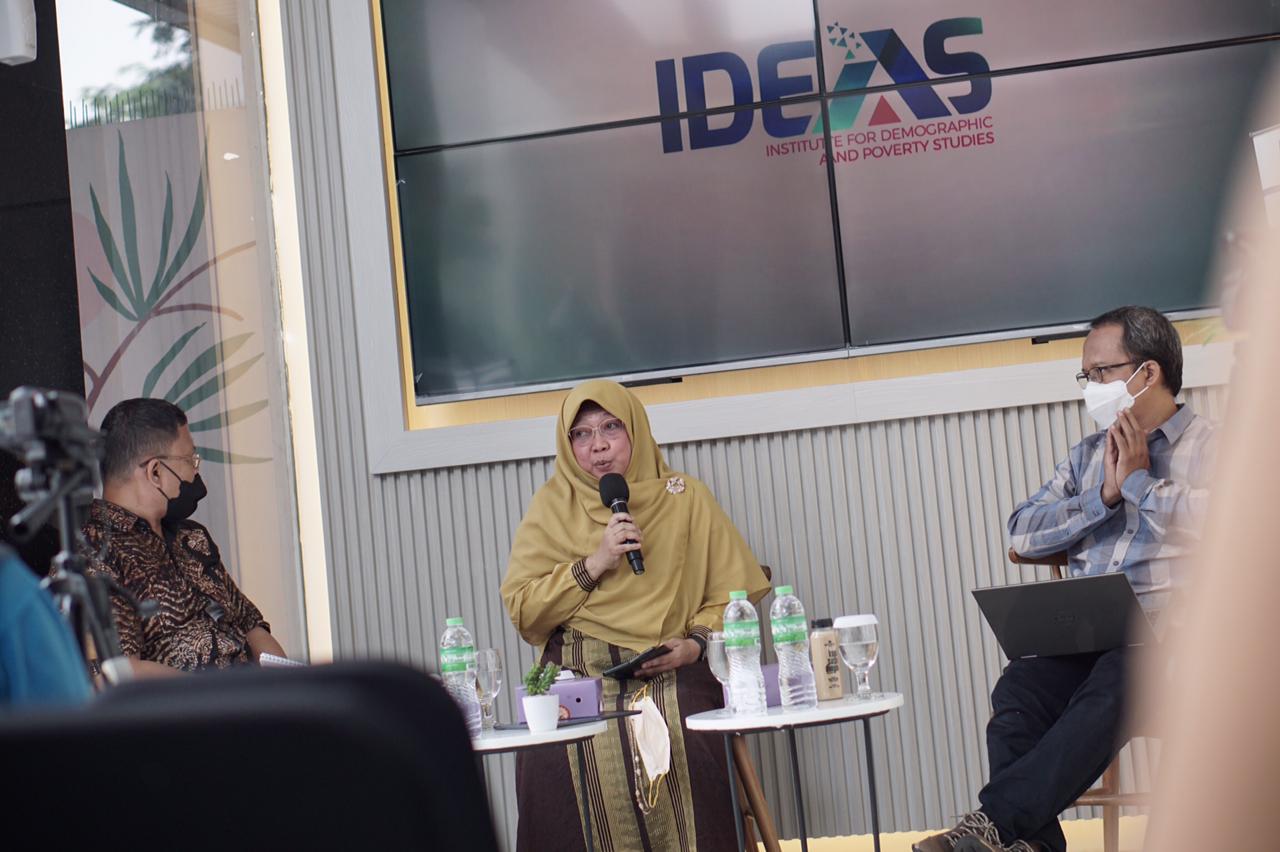
JAKARTA — The IDEAS Research Institute (Institute for Demographic and Poverty Studies) considers the efforts of the P2SK (Development and Strengthening of the Financial Sector) Bill, which removes the obligation to spin off the Sharia Business Unit (UUS) from the parent Conventional Commercial Bank (BUK) as mandated by Law No. 21/2008 concerning Sharia Banking in 2023, is a counterproductive policy and a step backwards in the development of national Islamic banking.
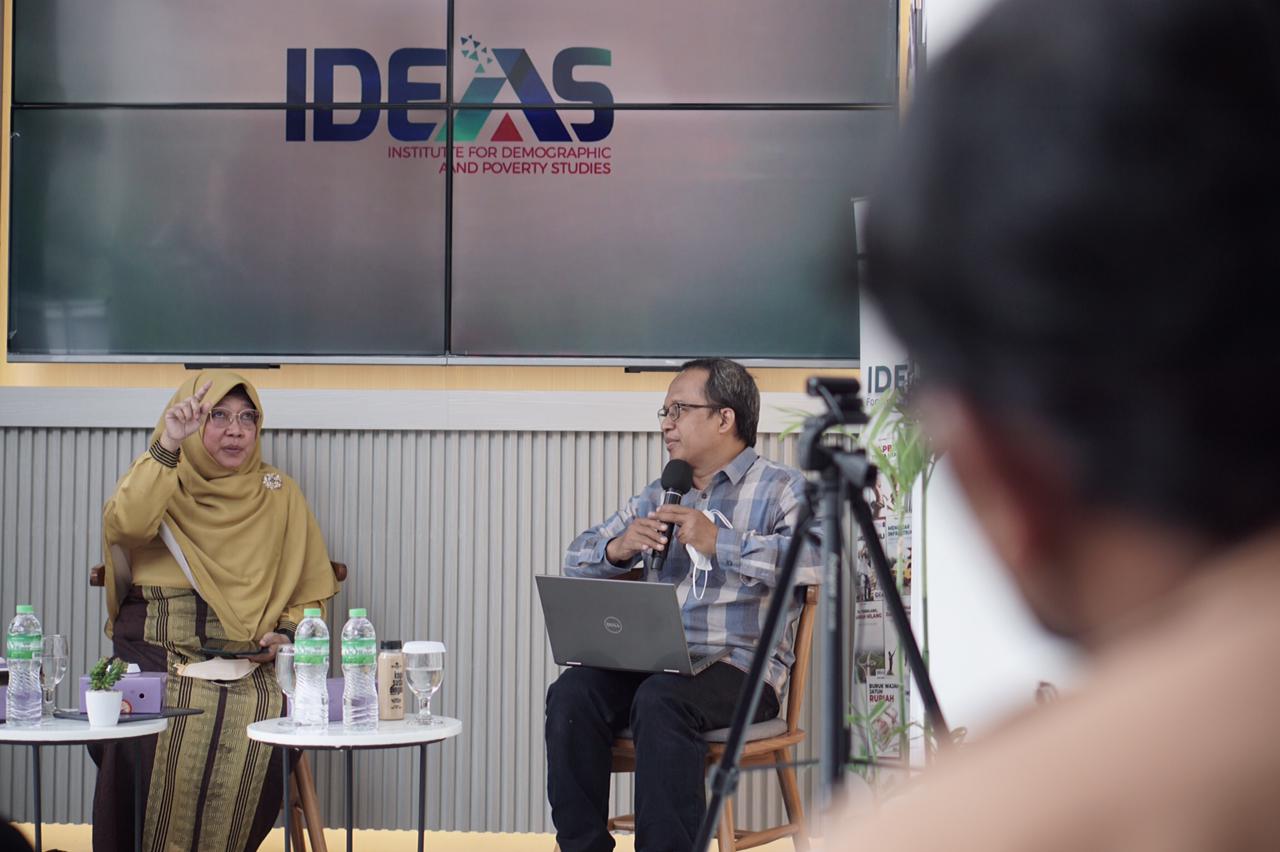
In the bill, spin-offs have no time limit and therefore becoming a BUS (Sharia Commercial Bank) is no longer a necessity as long as the assets of the Sharia Business Unit do not reach 50 percent of the parent Sharia Commercial Bank. In fact, the policy of mandatory spin-offs in 2023 since it was enacted in July 2008 has proven to be successful in accelerating the growth of the national Islamic banking industry.
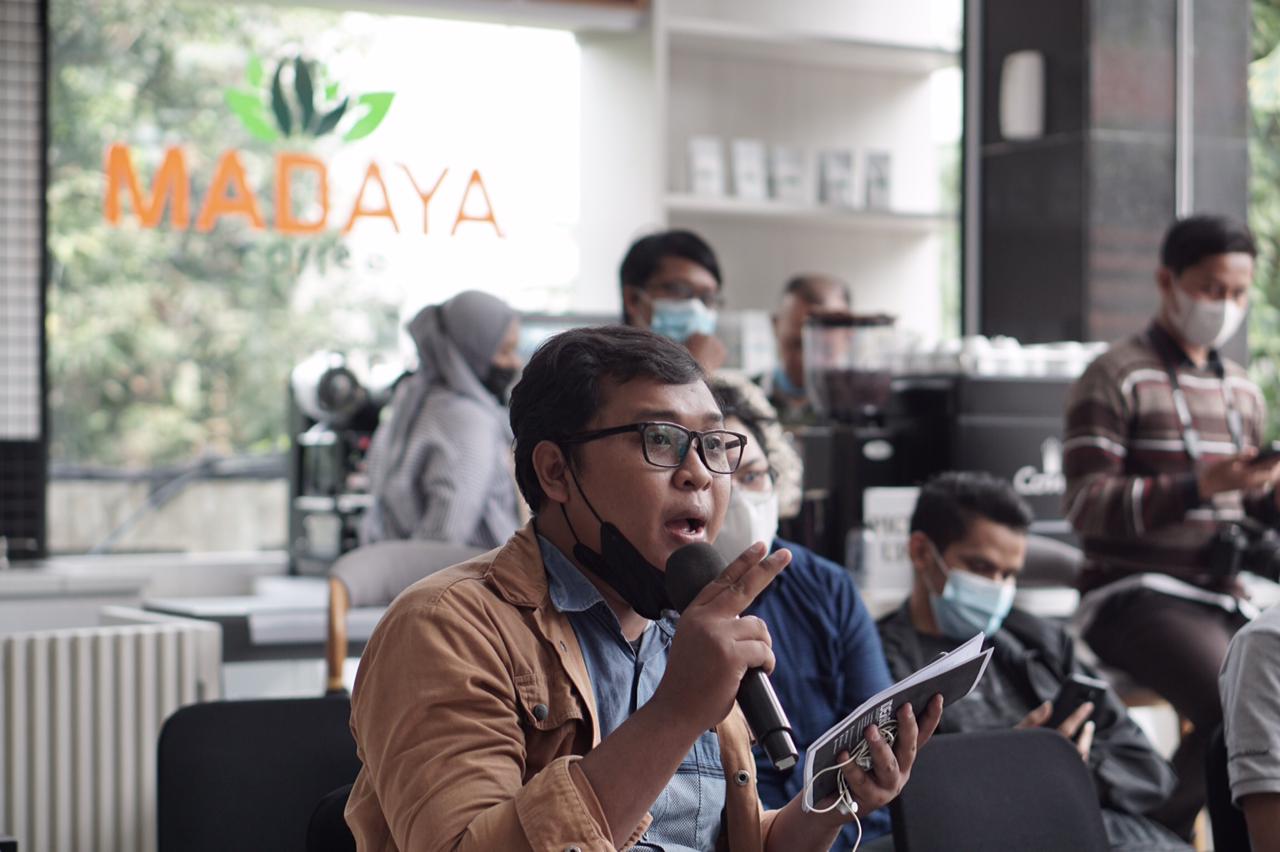
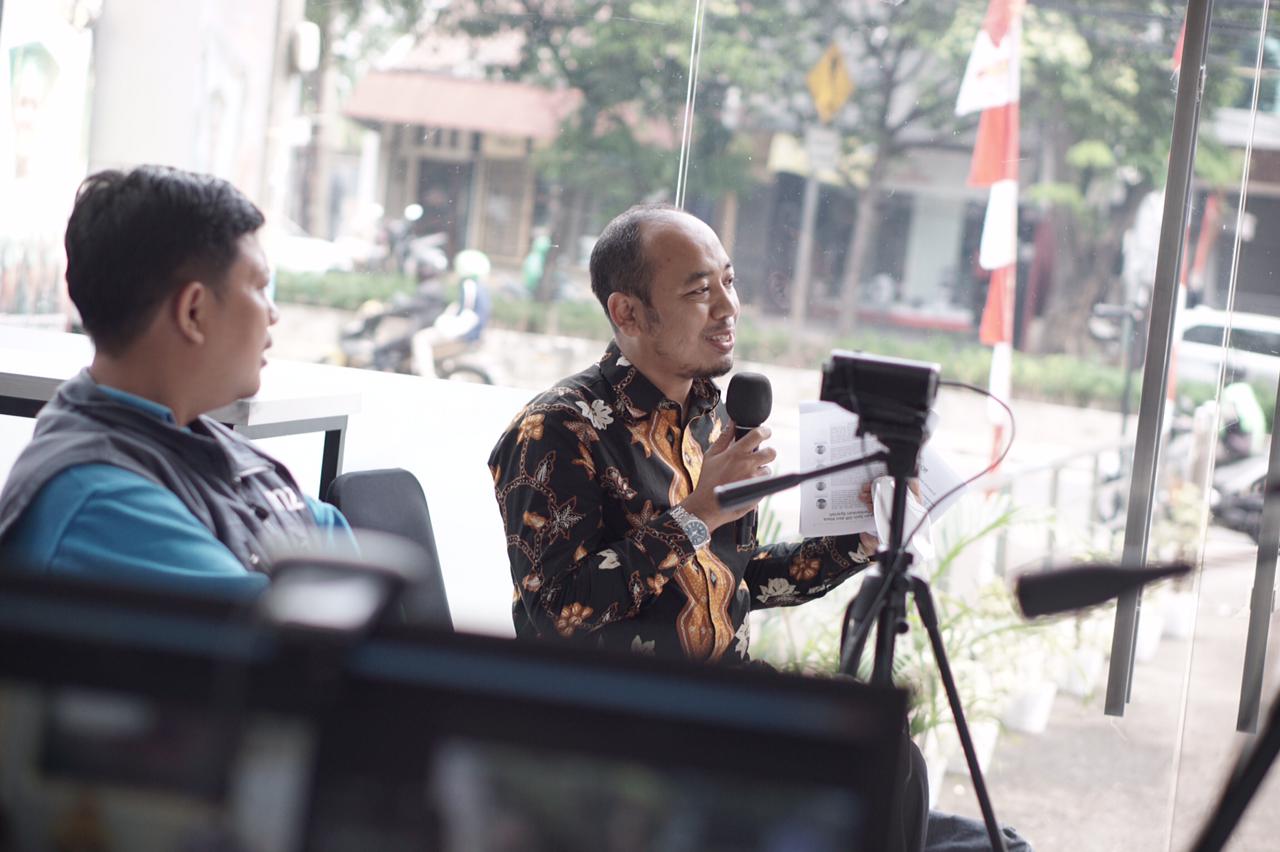
“The policy of mandatory spin-off in 2023 since it was enacted in July 2008 has proven to be successful in accelerating the growth of the national Islamic banking industry,” said Yusuf Wibisono, Director of IDEAS, in a public discussion IDEASTalk at the Philanthropy Building Dompet Dhuafa, Pasar Minggu, South Jakarta, Thursday (04/08/2022).

In a discussion that also took place live via Zoom Us and YouTube on https://youtu.be/cpgbBnvR3Hg, Yusuf added that in the first 15 years of its existence, from its introduction in 1992 to June 2008, the market share of Islamic banking reached only 2.36 percent.
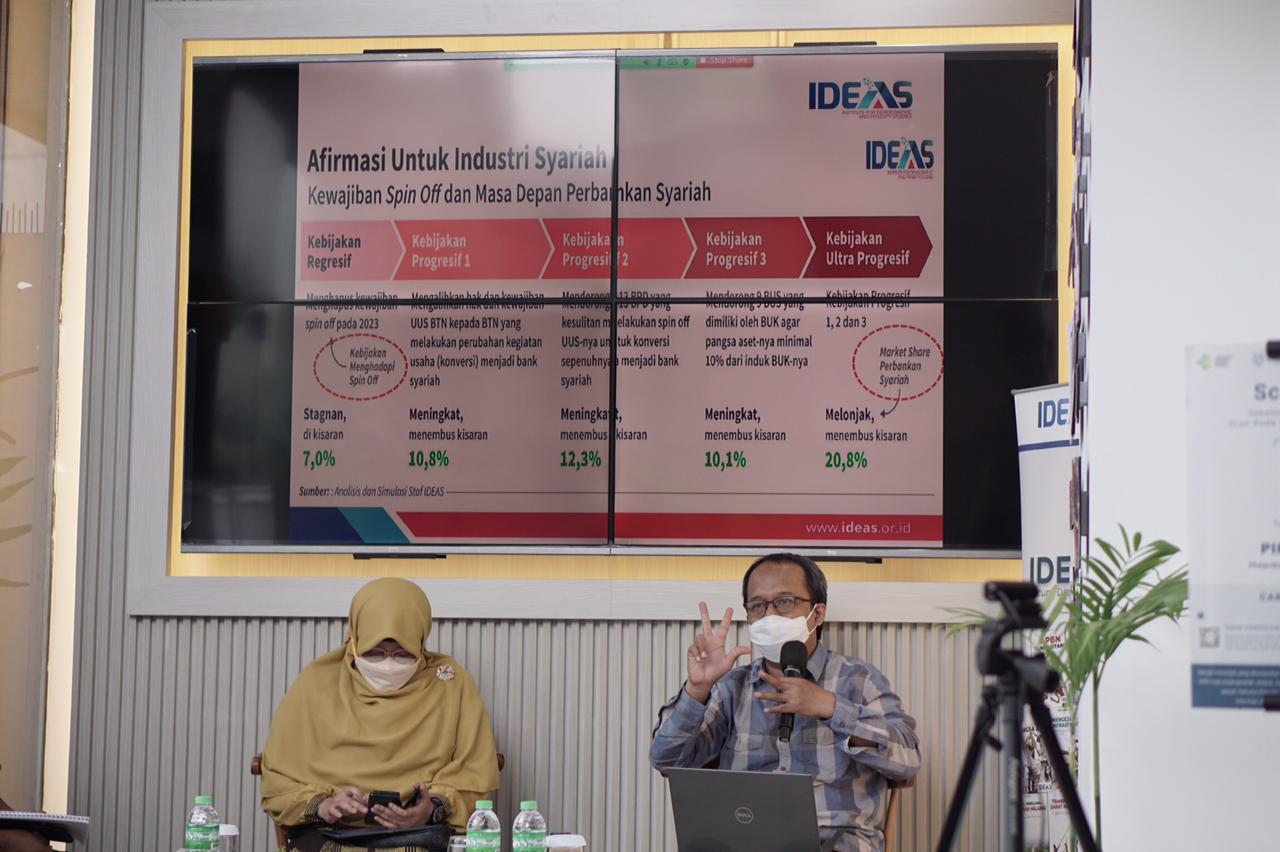
“Since Law No. 21/2008 was introduced in July 2008 and brought a number of provisions that encouraged players to seriously grow the industry, the market share of Islamic banking has been able to increase significantly. Evidently, in the last 15 years, between June 2008 and March 2022, the market share of Islamic banking jumped from 2.36 percent to 6.71 percent,” said Yusuf.
Furthermore, post Law No. 21/2008, Indonesia has been on the right track, namely the number of Sharia Business Units (UUS) has decreased and the number of Sharia Commercial Banks (BUS) has increased. If in June 2008, the number of BUS and UUS were 3 and 28 respectively, then now, in March 2022, the number of BUS has jumped to 12 and the number of UUS has decreased to 21.
“This clearly shows that the spin-off obligation under Law No. 21/2008 is credible and has succeeded in encouraging sharia banking players to seriously develop the industry in the long term by forming BUS,” said Yusuf.
Post Law No. 21/2008, at least 11 BUSs have been established, namely Bank Bukopin Syariah (December 2008), BRI Syariah (January 2009), Bank Panin Dubai Syariah (December 2009), Bank Victoria Syariah and BCA Syariah (April 2010), BJB Syariah (May 2010), BNI Syariah (June 2010), Maybank Syariah (October 2010), BTPN Syariah (July 2014), Bank Aceh Syariah (September 2016) and Bank NTB Syariah (September 2018).
In the near future, there will be at least 3 new Sharia Commercial Banks, namely the planned spin-off of Bank Sinarmas’ Sharia Business Unit and the planned conversion of Bank Riau Kepri and Bank Nagari.
“From the various positive changes that have taken place, we conclude that the P2SK Bill, which is an amendment to Law No. 21/2008 and the discourse on eliminating the obligation to spin off in 2023, clearly collides with common practice and weakens efforts to grow the national sharia banking industry,” said Yusuf.
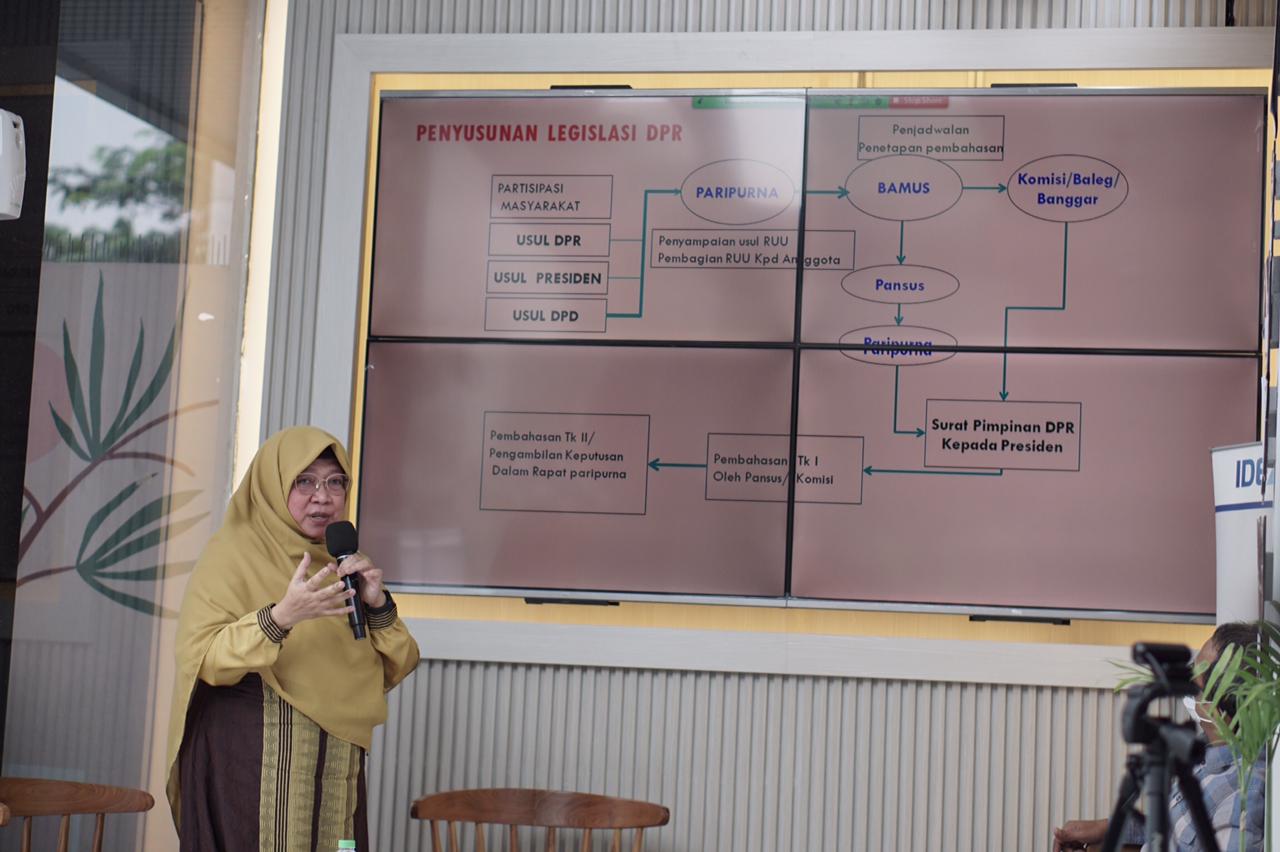
On the same occasion, member of Commission XI of the Indonesian Parliament, Anis Byarwati, explained article 68 of Law No. 21 of 2008 related to the obligation for Conventional Commercial Banks that have Sharia Business Units to spin off with 50% assets or no later than 15 years from the enactment of the law.
“In the draft of the P2SK Bill, article 68 related to the spin-off of Islamic banking was deleted. But during the discussion, there was a proposal not to delete this article. However, if the clause for a 15-year spin-off deadline is raised, the deadline for the spin-off is 2022 plus 15 years, so the deadline is 2037,” said Anis.
Anis added that a legal umbrella for the sharia economy, including sharia banking, was needed. He also explained the process of legislation in the Indonesian Parliament, as this was important to know because the process of drafting laws in the Indonesian Parliament was not easy. He also discussed the role of regulation in strengthening the Islamic finance industry in Indonesia.
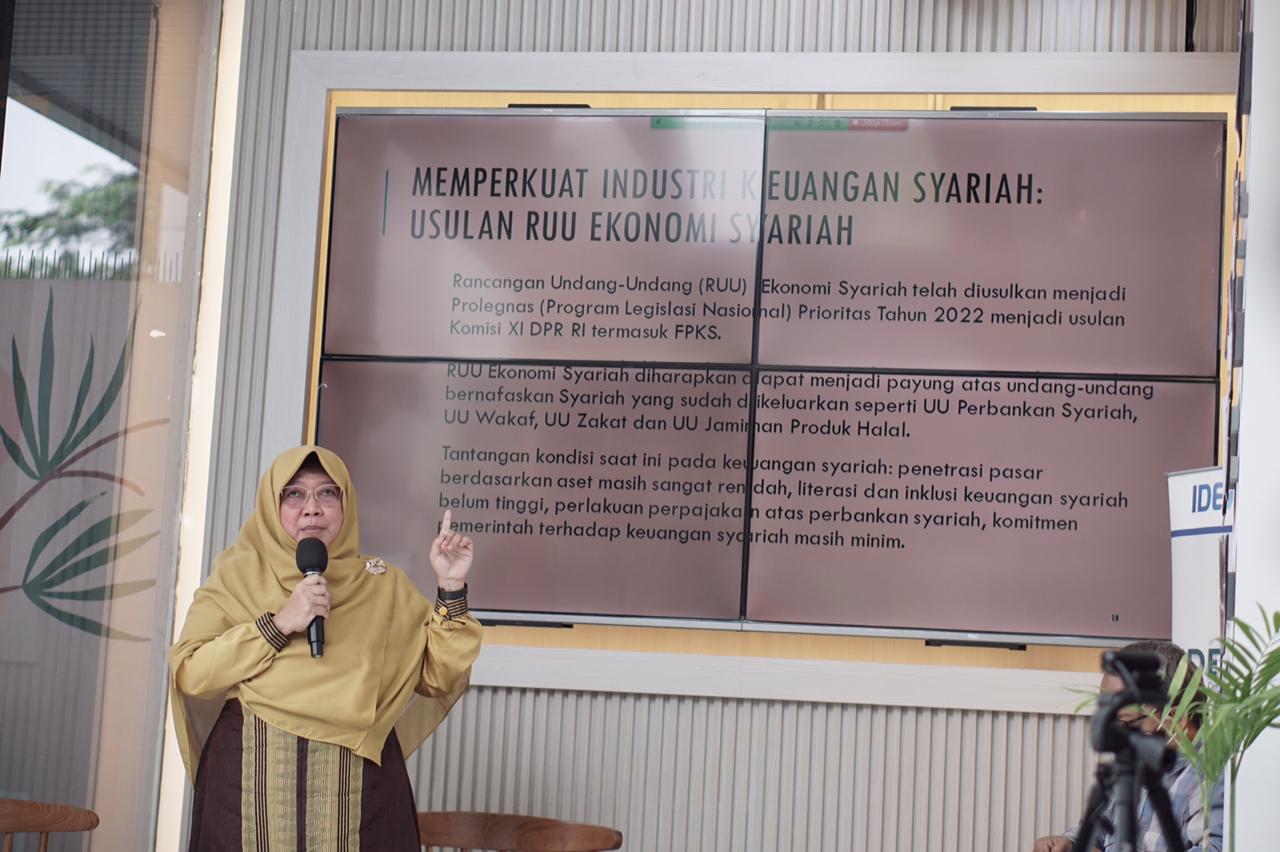
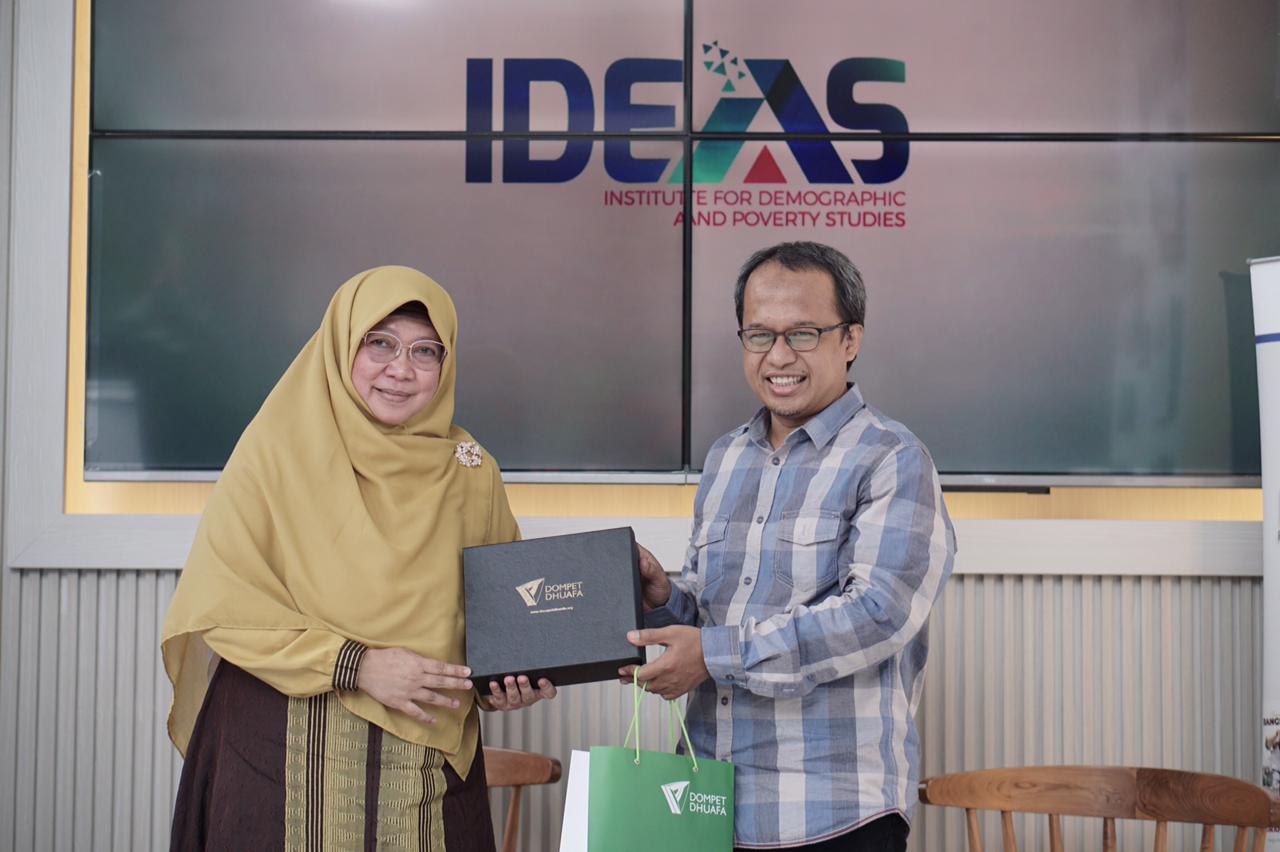
“The rapid development of the sharia finance industry also continues to foster the development of a legal basis, so that it can become a stable regulatory foundation and can form a healthy ecosystem, thus having an optimal impact. The process of forming regulations in the form of laws is a process related to substance and politics,” he said.
“Both must be carried out properly so that a bill can be formed. The substance of the proposed bill must be clear and have an urgency that can be understood by all stakeholders. Therefore, to fight for the ideal concept of Islamic banking, the Sharia Economic Bill, which is currently on the National Legislation Program (Prolegnas) long list, needs to be encouraged to become a priority in 2023,” concluded Anis. (Dompet Dhuafa / IDEAS / Dhika Prabowo)