


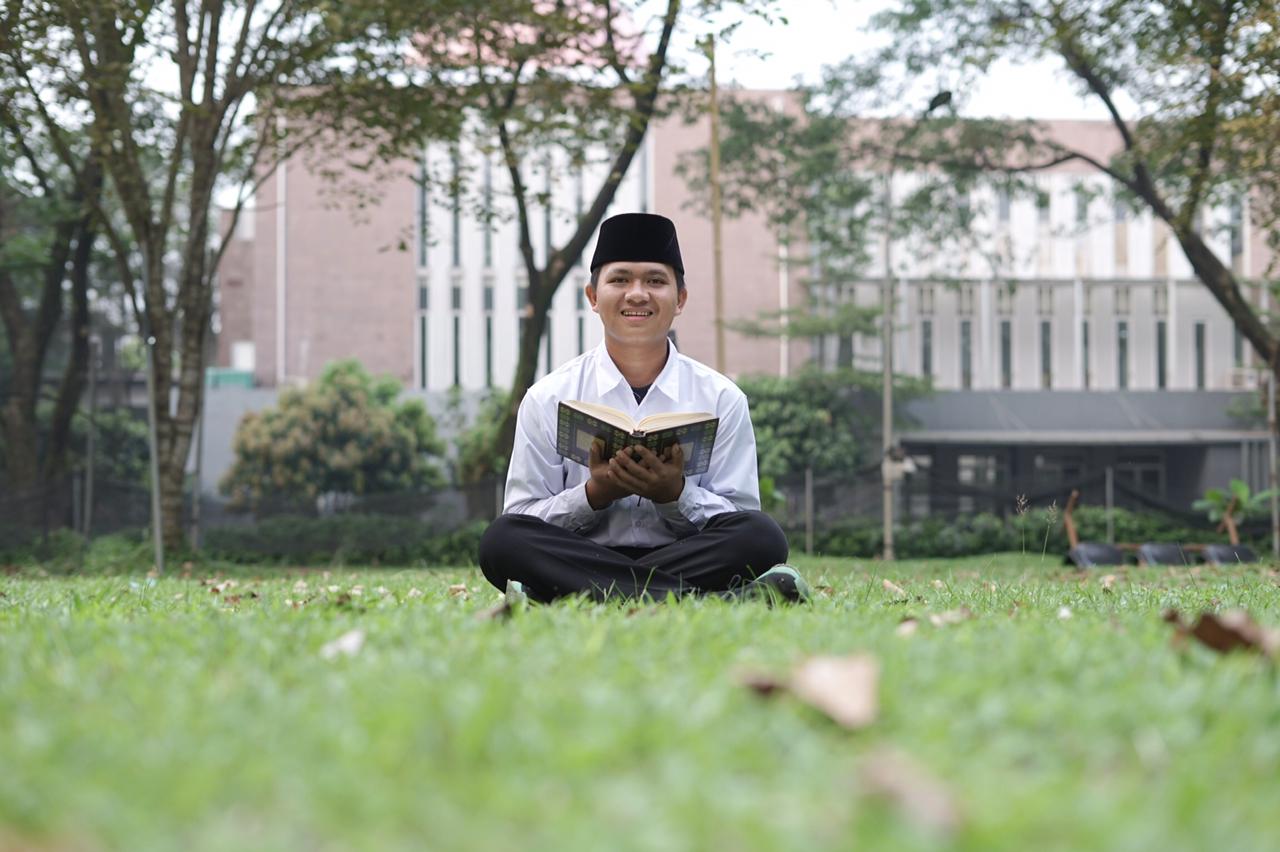
JAKARTA — The term “productive waqf” applies to all types of waqf that are managed and provide sustainable benefits. Therefore, waqf must be oriented toward the creation of social assets (not individually owned). According to the General Manager of Wakaf Dompet Dhuafa, Bobby Manulang, it is possible for waqf assets to be managed by an organization, but in essence they are not individual assets; the organization is merely an intermediary (Nazhir), the party responsible for managing these assets to provide sustainable benefits to the wider community.
“Wakaf assets also have greater legal certainty. They are relatively free from ownership disputes. Wakaf assets are attractive for social investments from the community. Because everything is oriented toward optimizing the benefits of wakaf,” added Bobby on Friday (September 2, 2022).
Read also: Expanding Waqf Literacy, Dompet Dhuafa Gathers Dozens of Influencers to Amplify Wakaferse
Types of Management
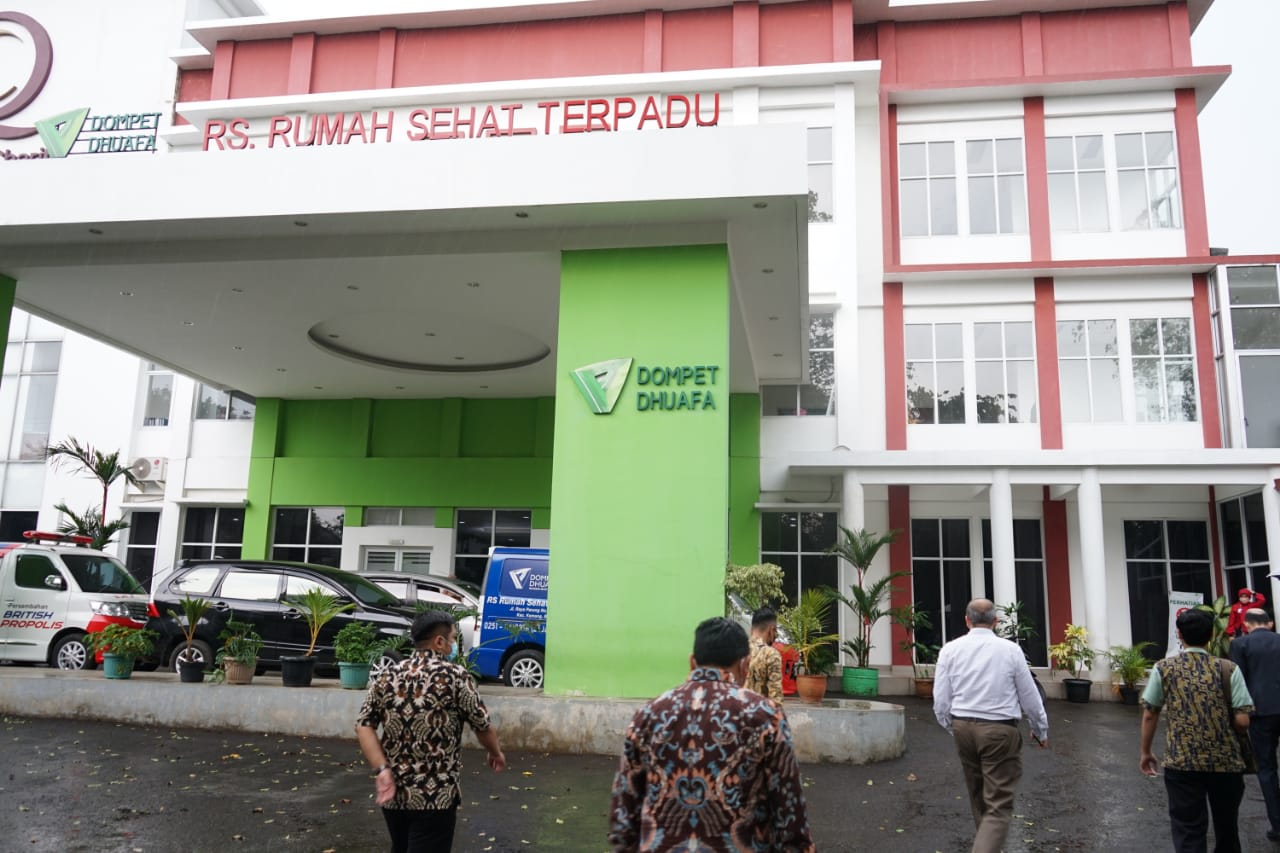
He further explained that in its management, Dompet Dhuafa divides waqf into three types of programs, including:
- Waqf that has an impact on poverty alleviation is distributed in the form of productive waqf that can absorb the poor as direct beneficiaries of the waqf. For example, agricultural waqf, plantation waqf, and so on.
“What is currently being initiated for further management is improvement to produce a distribution model for productive waqf as micro business capital. This is because today there are many housewives who want to create a home business but still face obstacles in terms of capital. Meanwhile, home industries do not require bankable capital, which is not large but has many requirements. So, it is hoped that waqf can become an alternative source of capital for them,” he said.
- Endowments that have a direct impact on improving the quality of life and the environment of the community. For example, hospital endowments (health), school endowments (education), water well endowments, and in the future, we can also strive to create endowments for energy storage.
- Wakaf with a focus on the social development of its assets. Such as hospitals and schools. Interestingly, the uniqueness of wakaf lies in its connection with ZIS (Zakat, Infaq, Sedekah), as this form of wakaf has a mission to provide social assets within the community.
“Because, with ZIS, once the funds collected from the community are distributed to the eight categories of recipients, there is no longer an issue regarding sharia requirements. However, with waqf, the challenge lies in managing the funds so they become the foundation for further processes. It is only through the surplus from waqf that the community ultimately benefits,” he explained further.

Two Sides of the Coin
Bobby Manulang reiterated that waqf also has two sides. It has social benefits and is an economic entity (asset) that has investment potential. The obligations of the Nazhir are also serious, because the value of waqf assets must be maintained indefinitely.
Therefore, management models have been created to ensure the sustainability of waqf assets. As a result, several management models have emerged, which, at this stage of incubation, must support each other between philanthropic ZIS funds and waqf assets.
“For example, in some productive waqf assets of Dompet Dhuafa that implement blended finance, such as developing hospital properties using waqf funds, but the healthcare services for beneficiaries are funded by ZIS funds as long as the patients are underprivileged,” explained Bobby.
Read also: Share Waqf as an Instrument of Sustainable Philanthropy
Aspects of Maukuf Alaih
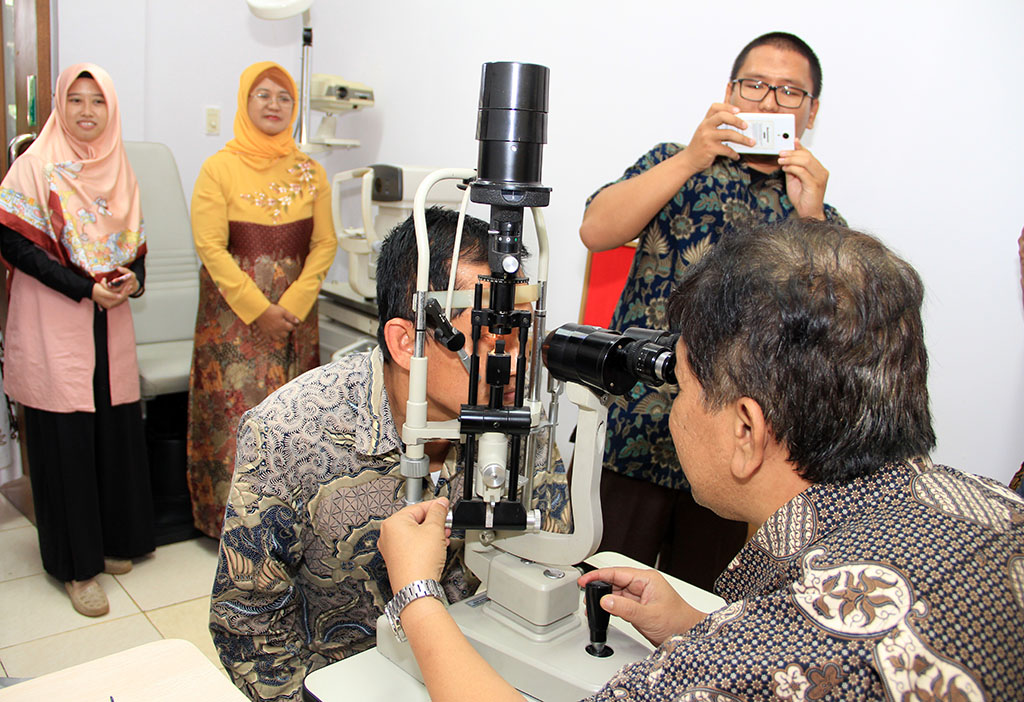
Maukuf alaih is the direct beneficiary who directly feels the benefits of the operation of the asset, such as free services for poor patients, and so on. And Maukuf alaih is not direct, the beneficiaries feel the benefits from the distribution of the surplus. For example, in the hospital there is distribution of social assistance, distribution of baby nutrition, and so on.
“From the Maukuf alaih aspect alone, this can provide multiple benefits. Therefore, we hope that the community can also learn about the broader spectrum of waqf, especially the management of Dompet Dhuafa waqf. Gradually, we hope the community can avoid counterproductive mindsets, such as (1) viewing waqf as a form of worship for the wealthy, (2) believing that waqf activities are typically carried out in large quantities, and (3) postponing waqf until one becomes wealthy. These are three fatal mindsets,” Bobby emphasized.
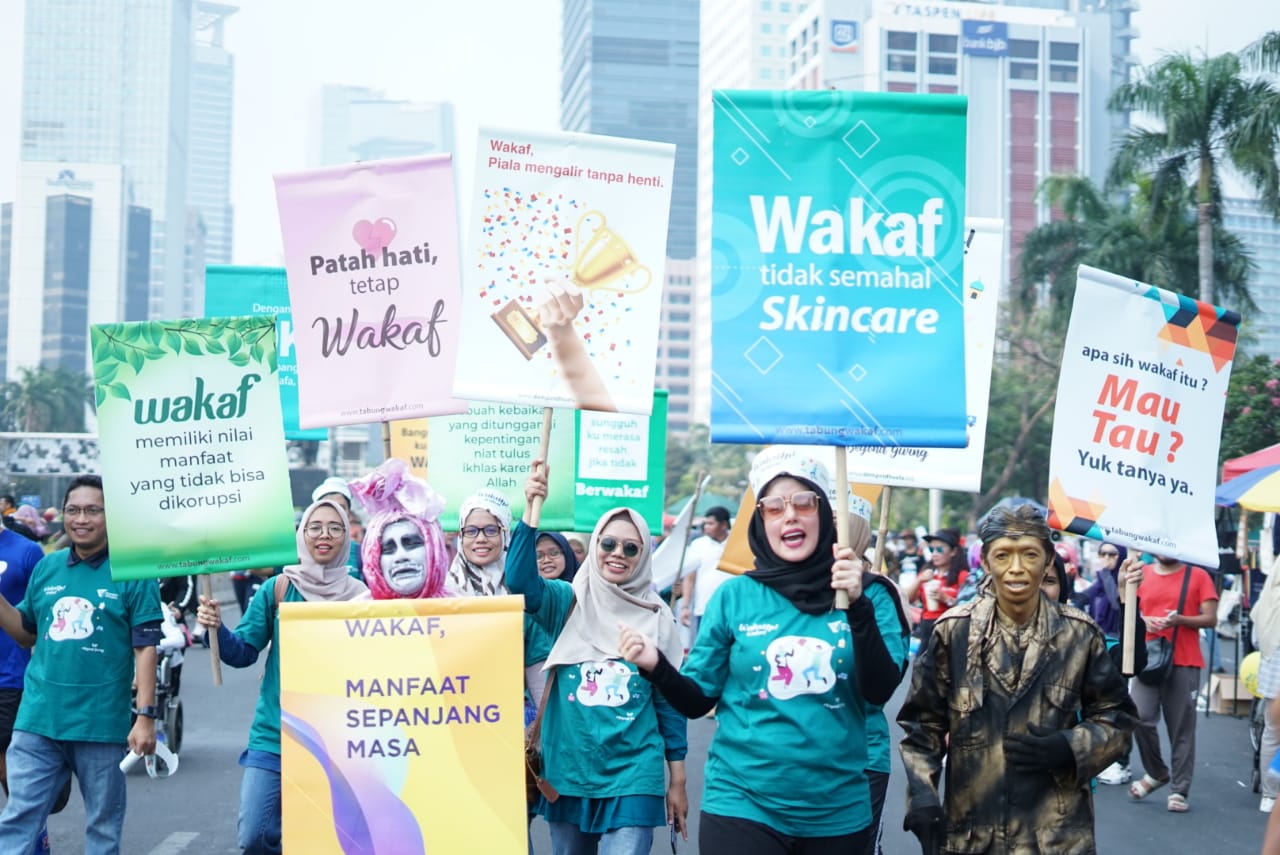
“Therefore, Dompet Dhuafa, through Wakaferse, is expanding its hybrid waqf donor segment to include the younger generation. This is because the younger generation is considered to be more receptive to contemporary literacy and adaptive to the changing times. This will also have an impact on the future model of waqf, and that waqf can be done by anyone for the price of a cup of coffee, but with widespread benefits,” concluded Bobby. (Dompet Dhuafa / Dhika Prabowo)