


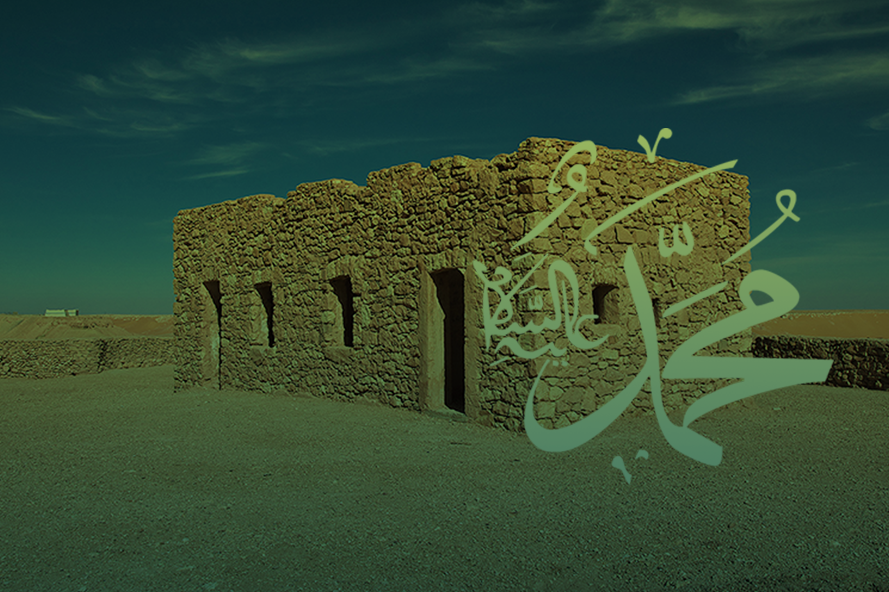
A pilgrimage to the tomb of Prophet Muhammad SAW is one of the greatest dreams of most Muslims around the world. The Hajj and Umrah pilgrimages also feel more complete and special because Muslims who perform them will also follow in the footsteps of the Prophet’s love, longing, and life at the Prophet’s Mosque in Medina. A visit to the Prophet’s grave is not merely a physical journey but also a profound spiritual journey. Therefore, to ensure that this sacred intention remains in line with Islamic teachings, it is important for us to understand the proper etiquette for visiting the Prophet’s grave according to Islamic teachings.
The Virtues of Visiting the Prophet Muhammad’s Grave
Dear friends, before learning more about the proper etiquette for visiting the Prophet’s grave, we should first understand the virtues of visiting the grave of the Messenger of Allah. Visiting the Prophet Muhammad’s grave at the Prophet’s Mosque is an act of worship filled with spiritual value and love. Although this visit is not part of the pillars of Hajj or Umrah, scholars agree that visiting the Prophet’s grave is a highly recommended Sunnah for every Muslim who is able to do so. This is not merely a form of respect for the most noble of humanity, but also a means to strengthen faith and love for the Prophet Muhammad (peace be upon him).
Authentic Hadith on the Virtues of Visiting the Prophet’s Grave
Among the hadiths that highlight the virtues of visiting the Prophet’s grave are:
“Whoever visits me after my death is like one who visited me while I was still alive.”
(Reported by Al-Daraquthni, authenticated by Imam Al-Albani in the book Al-Targhib wa Al-Tarhib)
The hadith above serves as a basis that visiting the Prophet’s grave holds great religious value, provided it is done with sincere intentions and in accordance with Islamic teachings.
Pilgrimage as a Form of Love and Faith
Pilgrimage is an expression of longing and love for the Prophet Muhammad SAW. Just as we are commanded to recite many prayers for the Prophet, visiting his tomb is also a tangible form of practicing that love.
“Increase your prayers for me on Fridays and Friday nights, for your prayers will be conveyed to me.”
(HR. Abu Dawud)
A Means of Worship, Not an End in Itself
Friends, it is important to note that pilgrimage is not performed with the belief that blessings can be sought from a grave. It is more about showing respect to the Prophet and practicing his Sunnah. All forms of shirk, such as asking the Prophet for something or believing that his grave brings good luck, must be strictly avoided.
Read also: The Reading and Benefits of Reciting Salawat for Prophet Muhammad

How to Visit the Tomb of the Prophet Muhammad
Next, let’s learn how to visit the tomb of the Prophet Muhammad. According to the book Manajemen Haji dan Umrah (Management of Hajj and Umrah) by Dr. Ahmad Zuhdi MA (IAIN Kerinci), there is a specific procedure for visiting the tomb of the Prophet, including:
1. Intend to Visit and Perform Sunnah Prayers
It is recommended for Muslims to visit Madinah. There is no specific time; one may go whenever able. Intend to visit the Prophet’s Mosque (Masjid Nabawi) and pray there. Praying in the Prophet’s Mosque is better than praying a thousand times in other mosques, except for the Sacred Mosque (Masjid al-Haram), as stated by the Prophet Muhammad (peace be upon him).
2. No Need to Perform Ihram or Recite the Talbiyah
The procedure for visiting the Prophet’s grave at the Prophet’s Mosque has nothing to do with the Hajj pilgrimage. Therefore, there is no need to perform ihram or recite the talbiyah.
3. Praying for Prophet Muhammad (peace be upon him)
When you arrive at the Prophet’s Mosque, enter with your right foot first. Then, recite “bismillahirrahmanirrahim” and send blessings upon the Prophet Muhammad SAW. Ask Allah to open all the doors of His mercy for you, then recite:
“Audzu billahi azhiimi wa wajhihil karimii wa sulthanihil qadimi minas syaithanir rajiimi, Allahuma iftahlii abwaba rahmatika”
I seek refuge in Allah, the Almighty, in His Noble Face, and in His Eternal Power from the accursed Satan.
O Allah, open for me all the doors of Your mercy.
This prayer is also recommended to be recited when entering other mosques.
4. Salat Tahiyat al-Masjid in the Raudhah
After entering the Prophet’s Mosque, immediately perform the Tahiyat al-Masjid prayer. It is best to perform this prayer in the Raudhah. However, if this is not possible, you can perform it in another place within the Prophet’s Mosque.
5. Praying at the Prophet’s Tomb
Go to the tomb of the Prophet Muhammad and stand in front of it, facing him, then say with respect and in a low voice:
“Assalamualaika ayuhal nabiyu warahmatullahi wabarakaatuhu.”
May peace, mercy, and blessings be upon you, O Prophet Muhammad.
“Allahuma atihillawasilata walfadhiilah wab’astuhulmaqamal mahmuuda ladzii wa’dutahu. Allahuma ijazihi an umatihi ardhalallazaai.”
O Allah, grant him a high position in Paradise and honor, and raise him to the praiseworthy place You have promised him. O Allah, bestow upon him the best reward, for he has conveyed the message to his people.
Once done, move slightly to the right so you can face the grave of Umar, then greet him and pray for him as well.
6. Visiting the Quba’ Mosque
It is recommended for us to visit the Quba’ Mosque in a state of purity from ritual impurity and perform prayer there. This is encouraged because Prophet Muhammad (peace be upon him) did the same and also recommended it.
7. Visiting the Graves of the Prophet’s Companions
It is also recommended for us to visit the grave of Uthman (in Baqi), the graves of the martyrs of Uhud, and the grave of Hamzah. Greet them and pray for them, as the Prophet Muhammad (peace be upon him) once visited them and prayed for them. He also taught his Companions to recite this prayer during their visit:
“Assalamualaikum, O inhabitants of this place, among the believers and Muslims. We are, by the will of Allah, coming to you. May Allah be with us and grant us safety, and may He grant you safety.
May peace be upon you all, O inhabitants of the graves who are believers and Muslims, and we, insha’Allah, will follow you all. May Allah grant safety to us and to you all.
Read also: How Long is the Wukuf Time in Arafat, a Legal Requirement for Hajj?
In Madinah al-Munawwarah, there are no mosques or places recommended for visitation except the Prophet’s Mosque and the places mentioned earlier. Therefore, my brothers and sisters, do not burden yourselves or exert yourselves in doing something that has no reward, and you may even incur sin because of it.
May Allah the Almighty grant us the physical, material, and spiritual ability to perform the Hajj and Umrah pilgrimages and permit us to visit the most noble and beloved of His creation, Prophet Muhammad (peace be upon him). Amen… (RQA)