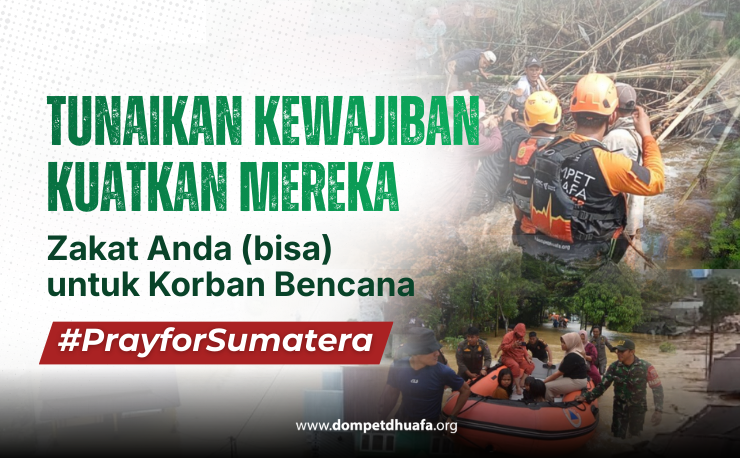


Natural disasters always leave two types of damage. Some are clearly visible in collapsed buildings, broken roads, and paralyzed public facilities. However, others are invisible to the eye: the psychological and social wounds experienced by survivors. When floods, earthquakes, or landslides hit a number of areas in Sumatra, people not only lost their homes and possessions, but also their sense of security, peace of mind, and hope for a life as it was before.
In this situation, psychosocial recovery after a disaster becomes very important. Humanitarian efforts cannot stop at logistical assistance, health services, or the construction of temporary shelters. Victims also need assistance to restore their mental health and social relationships so that they can bounce back and live their lives with greater strength.
As a humanitarian organization, Dompet Dhuafa views psychosocial assistance as an important part of its disaster response in various regions of Sumatra.
Psychosocial Assistance that Strengthens Residents
Many disaster survivors experience anxiety disorders, insomnia, excessive fear when it rains, and a loss of motivation to do activities. Children become quiet, cry easily, or do not want to be separated from their parents. Adults also often feel confused, anxious, and do not know where to start again.
These conditions are normal after a traumatic event. However, if left unaddressed, the effects can be long-lasting and hinder the post-disaster recovery process. Therefore, psychosocial support needs to be provided from the emergency response phase to the recovery phase.
Psychosocial recovery is not just a formal counseling session. It comes through a safe space, togetherness, and simple activities that slowly restore a sense of calm. Children are invited to play, draw, and tell stories so that their pent-up emotions can be channeled. Mothers are given space to share their anxieties and strengthen each other. Residents are invited to gather, talk, and do activities together that revive a sense of togetherness.
Read also: Aid for Sumatra, What Can We Do?
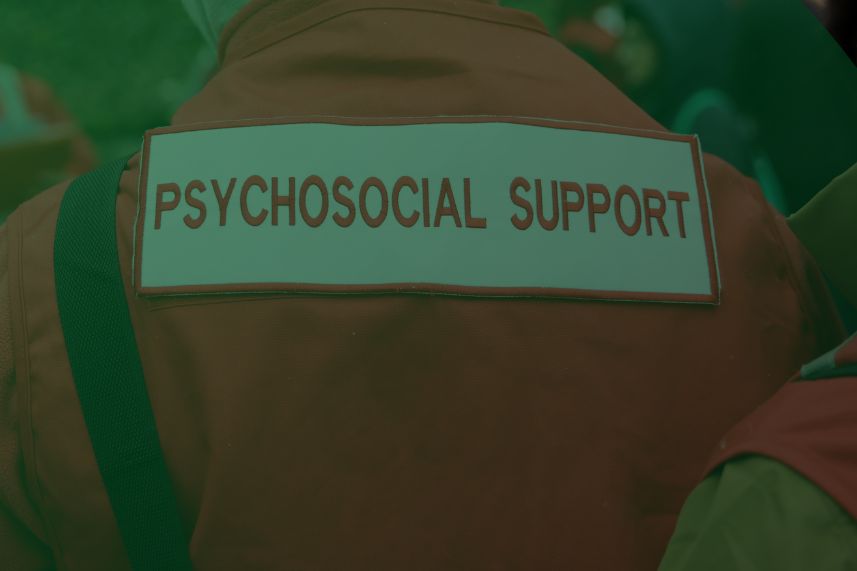
In various disaster responses in Sumatra, Dompet Dhuafa sent volunteers who not only brought food aid and health services, but also provided psychosocial support to survivors. The volunteers accompanied the residents, listened to their stories, and helped them return to the simple routines they had lost. Their presence often became the starting point for survivors to feel that they were not alone in facing difficult situations.
Restoring the Strength of Families and Communities
Psychosocial assistance not only touches individuals, but also families and communities. When parents begin to feel calmer, their children also feel the impact. The atmosphere in the refugee camps becomes warmer as residents begin to interact again, greeting each other and sharing stories.
The renewed sense of togetherness accelerates social recovery amid limitations. Residents who previously felt isolated begin to find strength from their surroundings. This is an important process that is often invisible, but is crucial to the success of post-disaster recovery.
Psychosocial recovery is not a process that can be completed in a matter of days. It requires time, patience, and continuous support until survivors are fully recovered mentally and socially.
When the community donates to disaster victims in Sumatra through Dompet Dhuafa, the aid is not only in the form of food, medicine, or buildings. Donations also bring back the smiles of children, the peace of mind of mothers, and the spirit of residents that is beginning to grow again.
Post-disaster recovery is a long journey to restore hope that was once lost. Through comprehensive assistance, Dompet Dhuafa is committed not only to restoring physical well-being but also to strengthening the spirits and social bonds of affected communities.