


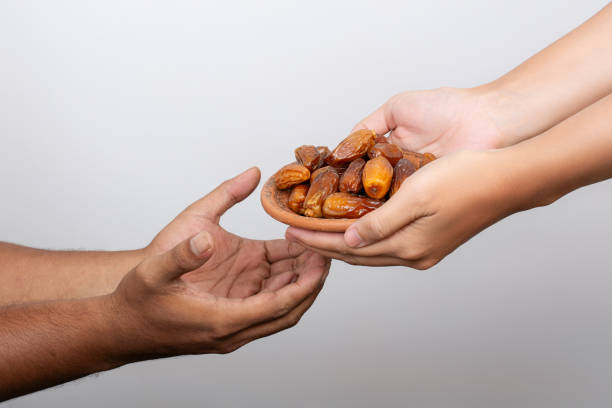
Almsgiving is the act of voluntarily giving away property or non-property without expecting anything in return. In Islam, almsgiving is not only material, but also includes small deeds such as being friendly to others or removing nails from the road. Almsgiving has many virtues, ranging from happiness in life to inner peace. In fact, the benefits of almsgiving can be enjoyed even in the hereafter.
- The Meaning and Essence of Almsgiving in Islam
Almsgiving comes from the word shadaqah, which has the same meaning as sidq (truth). This reflects that almsgiving is a sign of the sincerity of one’s faith. The act of giving charity is a concrete manifestation of obedience and love for Allah and empathy for His creatures.
Charity in Islam is not limited to material gifts. Simple acts such as smiling, speaking kindly, or helping others are also considered charity, as taught by the Prophet Muhammad (peace be upon him):
“Your smile in front of your brother is charity.”
(HR. Tirmidzi)
In addition, charity has tremendous spiritual power, such as erasing sins, bringing blessings in sustenance, and opening the door to a blessed life. Even the smallest amount of charity can protect you from hardship and show the high value of this deed in the sight of Allah.

Read also: How to give sadaqah at Fajr?
- Illegal Wealth Used for Charity
Nowadays, more and more people no longer pay attention to where their wealth comes from, whether it is halal or haram. Islam teaches that illegal wealth has a major impact on the life of a Muslim. This affects the blessings of sustenance and the quality of worship.
Illicit wealth can invalidate worship, including charity. Even if intended as a good deed, charity from an illicit source loses its value, because in Islam, acceptable deeds must come from clean and halal wealth. In Islam, charity is only valid and acceptable if it comes from halal wealth. Whatever the intention, giving illicit wealth is not permissible. As mentioned in a hadith narrated from Abu Hurairah RA, the Prophet Muhammad SAW said:
أَيُّهَا النَّاسُ إِنَّ اللَّهَ طَيِّبٌ لاَ يَقْبَلُ إِلاَّ طَيِّبًا
“O mankind, indeed Allah is thoyyib (good). Allah will not accept anything except what is thoyyib (good).“
(HR. Muslim no. 1015).
If haram wealth is not accepted as alms, then what about stolen goods that are given as alms? Does this act still have merit or does it add to one’s sins? Here are the consequences according to Islamic teachings.
- Consequences of Giving Stolen Goods as Alms
- No Reward
Alms that come from haram goods, such as stolen goods, will not be accepted by Allah and will not bring rewards or blessings in life. Even if the intention is to do good, the deed is invalid because it contradicts the basic principles of Islam, which require that wealth used in worship be halal. - Causing Evil
Donating stolen goods to others can cause new evil, because the recipient unknowingly uses unlawful wealth. This not only harms the perpetrator, but also drags others into a cycle of sin. - Repent
Someone who has donated stolen goods still has an obligation to return them to their rightful owner or replace them with halal assets. Sincere repentance, accompanied by improvement and the restoration of other people’s rights, is an important step so that the sin does not continue and is accepted by Allah SWT.
Read also: Online Sadaqah App? Yes Dompet Dhuafa Apps!
- Ethics and Responsibility in Giving Alms
In Islam, giving alms is not only about giving, but also about how it is done. The value of goodness in charity will be more perfect if accompanied by proper manners and procedures. Therefore, it is important for every Muslim to understand and apply ethics in giving charity so that the deeds performed truly bring benefits, both for the recipient and for oneself before Allah SWT. There are several things that need to be considered so that the charity we give is not only of social value, but also of worship value.
- Intention for Allah
Every deed, including charity, must begin with a sincere intention for Allah SWT, not because we want to be praised, receive compliments, or worldly rewards. - Ensuring Halal Wealth
After the intention is truly from the heart, it is important to ensure that the wealth given in charity is obtained in a halal and clean manner so that the charity is accepted by Allah SWT. - Give Politely and Empathetically
When giving alms, do so with a good attitude without showing off or hurting the recipient’s feelings. This attitude preserves the recipient’s honor and self-esteem. - Maintain the Confidentiality of Alms
If possible, give alms quietly to maintain sincerity and avoid making the recipient feel self-conscious. - Do Not Bring Up Your Giving
Do not bring up the charity you have given, as this can damage the value of the deed and eliminate its reward. Giving sincerely means not expecting anything in return or recognition. (Diandra/Syafira)