

PADANG PARIAMAN, WEST SUMATRA-— For some people, returning from a distant place to their hometown is something they would never do. This is because, in addition to facing negative stigma from the surrounding community, there is also the uncertainty of future employment.
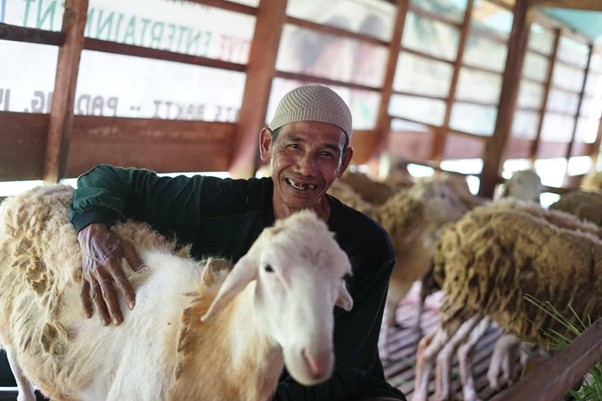
However, Ali Akbar (56), who now works as a farmer, believes that there is more than one path to success. He initially sought his fortune in the capital city but decided to return to his hometown in Padang Pariaman, West Sumatra.
Amid the scorching sun and gentle breeze, a sense of tranquility enveloped Ali. As he stood there, lost in thought and gazing at us, he hesitated to share the hardships he faced while living in Jakarta. Perhaps the memories were too bitter.
He began to move and tell his story, that the 2009 West Sumatra earthquake was a turning point in his life. At that time, Ali decided to become a humanitarian volunteer for earthquake survivors. That was the beginning of his encounter with Dompet Dhuafa.
Since then, he has frequently participated in activities at Dompet Dhuafa as a volunteer. Additionally, to support his daily needs, he works odd jobs. He has worked as a construction worker and a farm laborer. The income was inconsistent. However, his sincerity and selflessness led him to good things.
Read also: This young man from Lampung has his own farm: Starting out as a stable boy
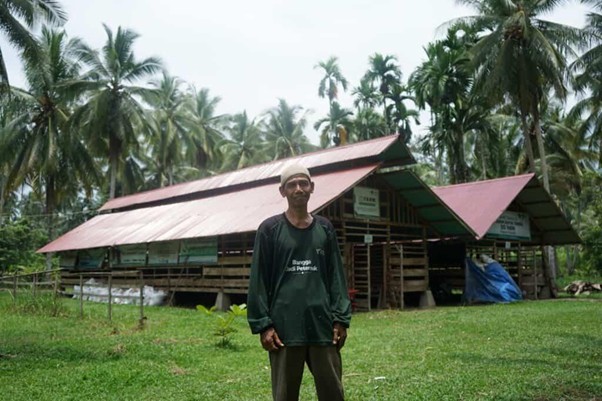
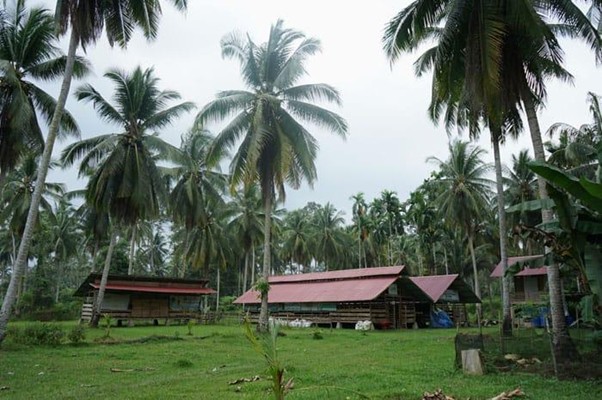
Time after time, Dompet Dhuafa Singgalang successfully established a livestock farm called DD Farm Rumah Gadang in 2021. He was entrusted as one of the farm managers responsible for running the operation.
His perseverance in striving for improvement has been his key strength. He acknowledges that he has learned a great deal from the experts at DD Farm Rumah Gadang.
“Back then, I did odd jobs, like construction work and finishing. Alhamdulillah, now I’m no longer doing that and am fully focused on the DD Farm livestock center. Here, I’ve learned a lot. My knowledge of livestock farming has grown and can serve as a foundation for my new life. I’m relieved that I can enjoy my golden years in my hometown,” he concluded.
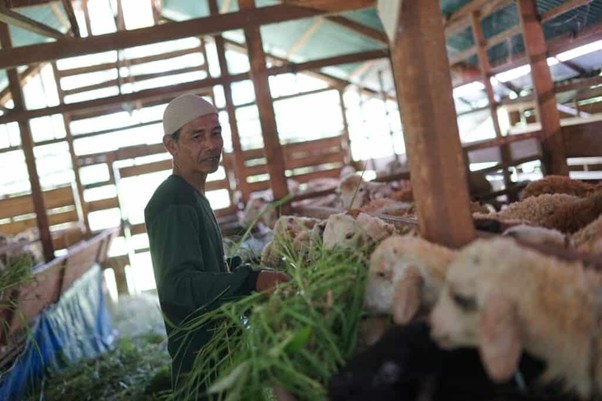
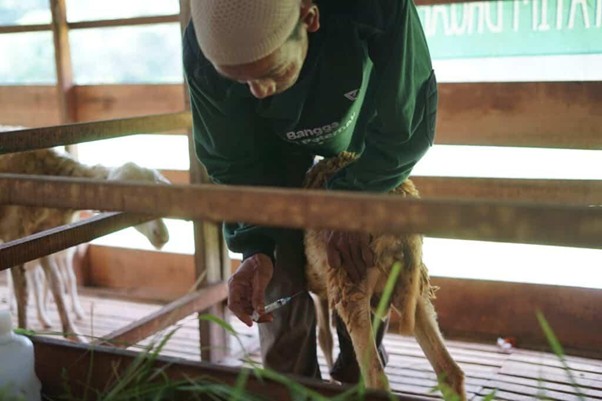
Under the supervision of a livestock expert, Ali focuses on managing a two-hectare farm. When he first started, he was responsible for 100 sheep. By the time his training was complete, Ali was able to become an independent livestock farmer.
Read also: Slaughtering Kurban Animals in the Midst of Islamic Minorities
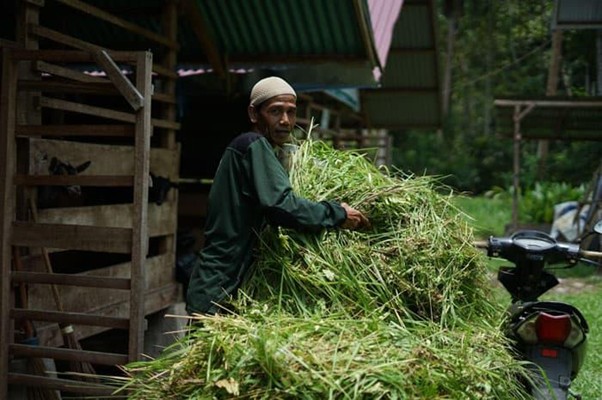
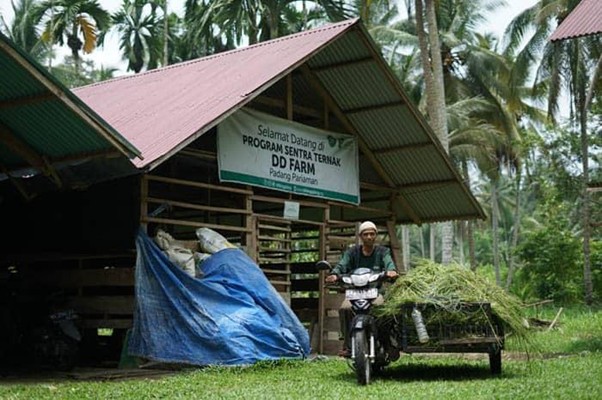
He also began contributing to the Dompet Dhuafa’s Tebar Hewan Kurban (THK) program in 2021. By 2023, after participating in the THK program three times, Ali shared that DD Farm Rumah Gadang had experienced a steady increase in growth.
Ali admitted that the THK program has been very helpful. This national sacrificial animal distribution mechanism enables the equitable distribution of sacrificial animals to remote areas. This has positively impacted the income of DD Farm Rumah Gadang. Ultimately, this has transformed Ali’s life along with three other farmers who collaborate with him.
He explained that 35 percent of the farm’s profits will be allocated for barn development, 35 percent for social needs, and the remaining 30 percent will be distributed to the farmers as profit-sharing (SHU).
Read also: Social Worship: Sacrifice as a Model for Sustainable Empowerment Amid Social Inequality
“Praise be to God, in 2022 alone we managed to produce 148 sheep, which were then absorbed into the THK program. The sheep pen has also expanded, now capable of housing 300 sheep. Additionally, I now have a decent income,” said Ali.
To this day, Ali continues to take a chance on his future as a livestock farmer. His contributions also benefit the wider community by ensuring that potential sacrificial animals are healthy and of sufficient weight by the time they are sacrificed.
It seems he has begun to find his path in life back in his hometown. He is working to realize his dream of ensuring equitable distribution of sacrificial animals even to remote areas through livestock farming.
Together, we can also help fulfill the dreams of other Alis to find their path in life through livestock farming via digital.dompetdhuafa.org/kurban. The impact of sacrificial animals at Dompet Dhuafa is significant for small-scale farmers. (Dompet Dhuafa)
Text: Hany Fatihah Ahmad
Photo: Riza Muthohar
Editor: Dhika