


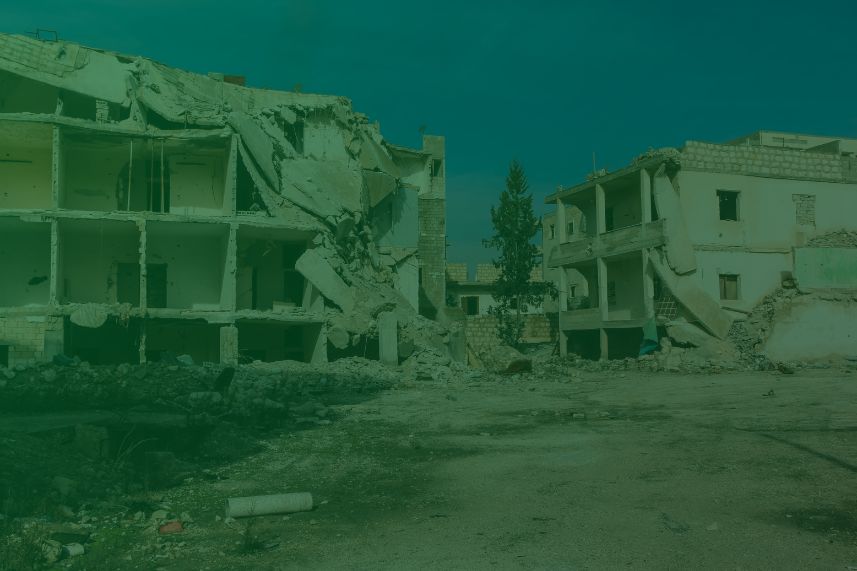
Geopolitical tensions in various regions of the world have once again raised concerns about the possibility of a Third World War. Conflicts in the Middle East involving Iran, Israel, and the United States, as well as various tensions between major powers, have led many to question the potential for a global war.
To date, international relations analysts state that the world is indeed in a phase of high geopolitical tension, but has not yet reached the scale of a world war as seen in World War I and II. However, if a major conflict were to truly escalate, its impact would be felt not only by the countries directly involved but also by various other nations, including Indonesia and countries in the Islamic world.
Understanding the impact of a third world war is crucial so that the public can take wiser steps in facing global uncertainty.
Global Conflicts Fueling Fears of World War
One of the most frequently discussed conflicts is the tension between Iran and Israel, which in some situations involves the United States as an ally of Israel. This conflict has the potential to affect the stability of the Middle East, a region critical to global energy trade.
One strategic route is the Strait of Hormuz, a sea lane connecting the Persian Gulf to global markets. According to the International Energy Agency (IEA), approximately 20% of global oil trade passes through the Strait of Hormuz. If this route is disrupted due to a major conflict, global energy distribution could be affected and trigger a rise in oil prices.
Consequently, conflicts in this region often attract international attention. Many countries strive to promote diplomatic solutions to prevent conflicts from escalating into a broader global war.
The Impact of World War III on Indonesia
Although Indonesia is not located in the conflict zone, as part of the global economy, it remains vulnerable to its effects.
Rising Energy and Food Prices
If global conflicts disrupt energy distribution, global oil prices could surge sharply. Rising energy prices typically affect production costs, transportation, and the prices of basic necessities.
According to the World Bank’s Global Economic Prospects report, major geopolitical tensions can fuel global inflation due to disruptions in energy supply chains and distribution.
Pressure on the National Economy
Global conflicts can also affect global economic stability. This can impact exchange rates, international trade, and investment activity.
For developing countries like Indonesia, global uncertainty can trigger economic pressures, especially if commodity or energy prices experience a sharp spike.
The Impact of World War III on the Islamic World
For the Islamic world, global conflicts involving the Middle East have more complex implications.
First is the humanitarian impact. Armed conflicts often lead to mass displacement and social crises. According to the UNHCR Global Trends Report, the number of refugees worldwide has exceeded 110 million people, and the majority come from regions of armed conflict.
Second is regional instability. Widespread conflict can affect political stability and security in various countries in the Middle East and surrounding regions.
This situation often requires humanitarian support from various countries and social organizations around the world.
Lessons Amid Global Uncertainty
The unstable global situation does indeed cause concern. However, amidst these conditions, society can still draw important lessons.
Strengthening the People’s Economy
The economic resilience of the people is a crucial factor in facing global uncertainty. In Indonesia, the MSME sector contributes approximately 60% to the Gross Domestic Product (GDP) and employs over 97% of the national workforce.
Source: Ministry of Cooperatives and SMEs of the Republic of Indonesia.
This data demonstrates that the people’s economy plays a major role in maintaining the nation’s economic stability.
Strengthening Zakat and Charity
In Islam, zakat and charity play a vital role in assisting economically vulnerable communities. When global conditions face pressure, social instruments like zakat can help strengthen the social resilience of communities.