


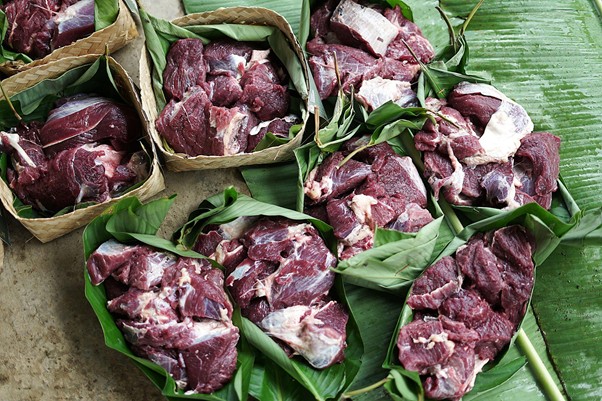
Every time Eid al-Adha comes around, the atmosphere in many places feels more lively. Mosques are bustling, and the aroma of satay and curry wafts from kitchens. And of course, the enthusiasm of the community in welcoming the moment of sharing sacrificial meat is felt everywhere.
Eid al-Adha is not just about sacrificing animals, but about strengthening solidarity, spreading kindness, and reaching out to those who may rarely get to taste meat. However, behind all the excitement and spirit of sharing, there is another side that often goes unnoticed: the issue of plastic waste.
Without realizing it, every Eid al-Adha moment generates thousands of tons of single-use plastic waste. Plastic bags have become an almost indispensable part of the meat distribution process. Practical? Yes. But unfortunately, the environmental impact is very serious.
According to data from the Ministry of Environment and Forestry (KLHK) in 2024, it is estimated that around 5,000 tons of plastic waste were generated during the three days of Eid al-Adha celebrations in Indonesia. What is even more concerning is that approximately 90% of this waste cannot be recycled. This means it will end up in landfills, polluting rivers, oceans, or even be burned, further contaminating the air.
It is very sad that this blessed moment of worship leaves behind a trail of environmental damage if not handled wisely. After all, Eid al-Adha is a very noble spiritual moment. It is not just about slaughtering animals, but also about how we bring blessings to others and the universe. Therefore, it is only fitting that these values of caring also extend to caring for the environment.
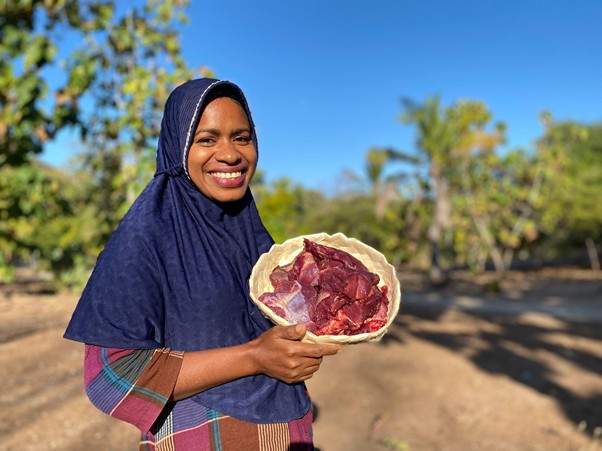
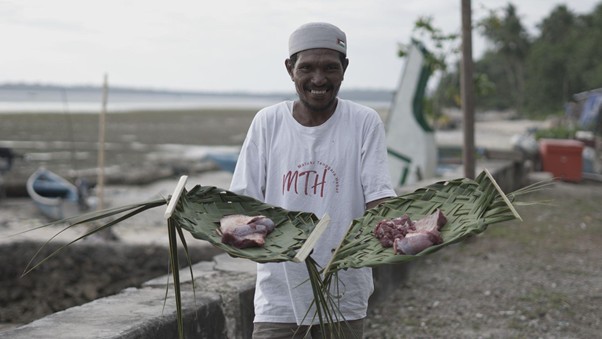
If every plastic bag used during the sacrifice takes hundreds of years to decompose, then a single moment of sacrifice can have a long-lasting impact on future generations if we do not start making changes now.
Driven by this concern, Dompet Dhuafa has long been making efforts to address the issue of plastic waste during Eid al-Adha. Through the Tebar Hewan Kurban (THK) program, which has been running since 1994, Dompet Dhuafa not only focuses on the equitable distribution of sacrificial animals to remote areas of the country but also promotes a more environmentally friendly spirit of sacrifice.
The campaign “Fun Sacrifice Without Plastic Waste” is being promoted by Dompet Dhuafa Volunteer (DDV) volunteers across the archipelago. This initiative aims to reduce, and eventually eliminate, reliance on plastic bags in the distribution of sacrificial meat.
Fun Sacrifice Without Plastic Waste
So, how can sacrificial meat be distributed without plastic? It turns out to be quite simple. It can even serve as an enjoyable educational opportunity for the community.
1. Using Reusable Containers
This is the simplest method. For example, using lunch boxes, containers, buckets, basins, food jars, or thick plastic bags that can be washed and reused.
2. Use Natural Containers According to Local Wisdom
Indonesia is rich in natural materials that can be used as meat wrappers. Some examples are besek (woven bamboo), commonly found on the island of Java. There is also kamdada (woven coconut leaves), typical of Southeast Maluku. There is also keleka (made from rattan), commonly used in East Nusa Tenggara.
Or the most practical option is to use large leaves such as banana leaves, teak leaves, taro leaves, or other leaves that are large enough to wrap several kilograms of meat.
These natural containers are not only environmentally friendly, but also unique and reinforce local culture. After use, these containers can be composted and do not cause waste problems.
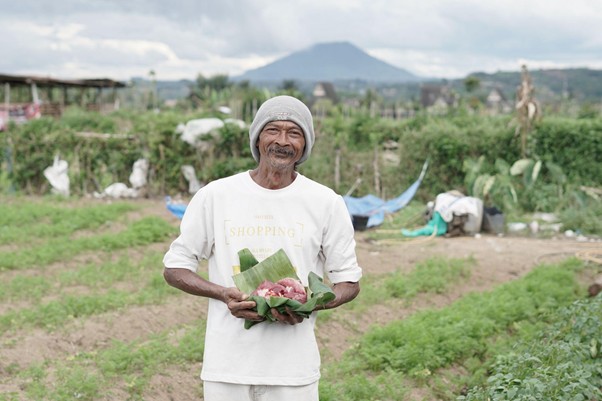
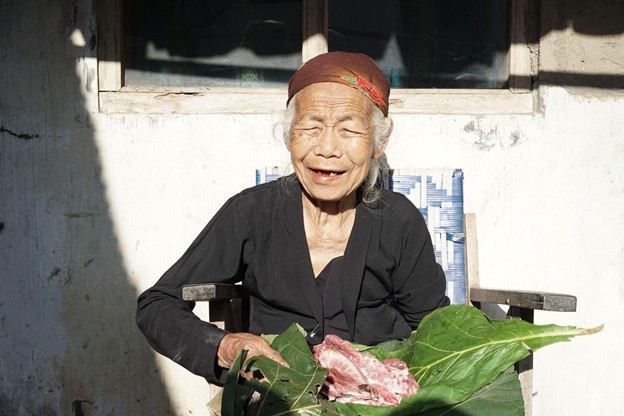
If using local containers is not feasible in a particular area, the THK team will seek alternatives made from natural materials. The key is not about luxury or complexity, but about the good intention to protect the earth.
To strengthen the “Fun Eid al-Adha Without Plastic Waste” campaign, since 2021, Dompet Dhuafa has been collaborating with the Ministry of Environment and Forestry (KLHK). This initiative is not carried out solely by Dompet Dhuafa but also involves other parties, such as local communities, brand or corporate partners, local governments, community leaders, and other relevant stakeholders.
That is how Eid al-Adha should be—a time to strengthen our connection with God, with one another, and with nature. Let us not allow the good intentions we have for this occasion to leave behind new problems for the Earth. Sacrifice can make a difference; make your sacrifice now through digital.dompetdhuafa.org/kurban. (Dompet Dhuafa)
Text and photos: Riza Muthohar
Editor: Dhika