


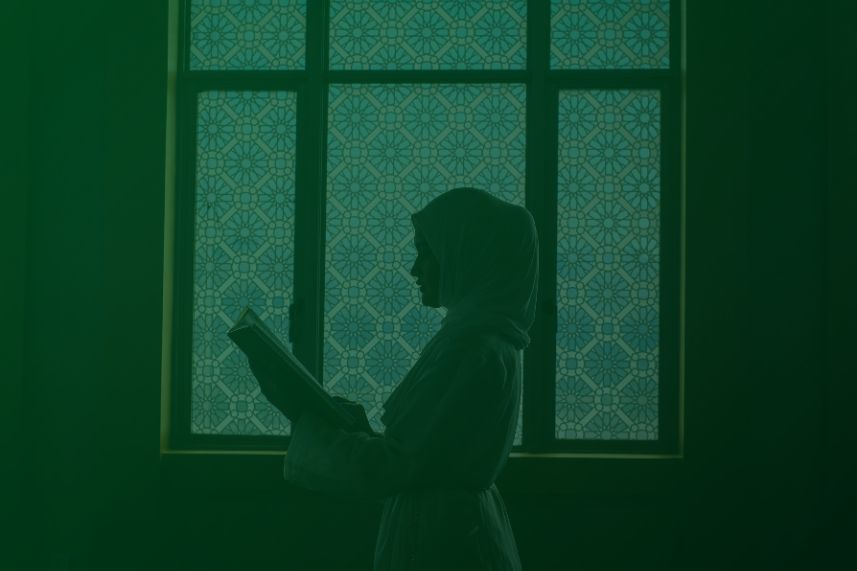
After Ramadan ends, many people notice a change in the rhythm of their worship. Daily life returns to normal, the atmosphere that was previously filled with spiritual fervor gradually subsides, and the zeal for worship is not always as strong as it was during Ramadan. This is where the month of Shawwal holds significant meaning—not merely as a conclusion, but as the beginning of a journey to maintain consistency in worship.
Worship during the month of Shawwal is often viewed as a supplementary continuation. In fact, from a deeper perspective, Shawwal serves as a space to test whether the values of Ramadan are truly embedded in daily life. What one does during this month reflects whether a person is merely strong in the moment or capable of sustaining their worship.
Why Worship During the Month of Shawwal Is Important
Ramadan is not the final destination but a process of habit formation. For a full month, a Muslim is trained to exercise self-restraint, increase acts of worship, and enhance spiritual awareness. However, this training will be meaningless if not continued after Ramadan.
Allah SWT states:
“And worship your Lord until certainty (death) comes to you.”
(QS. Al-Hijr: 99)
This verse reminds us that worship does not end at a specific time. It continues throughout one’s life. Therefore, worship during the month of Shawwal is important as a continuation of what was built during Ramadan.
Primary Acts of Worship in the Month of Shawwal
There are several acts of worship recommended to be performed during the month of Shawwal. These acts of worship not only carry the reward of good deeds but also serve to strengthen spiritual consistency.
One of the most well-known acts of worship is the Shawwal fast. The Prophet Muhammad (peace be upon him) said:
“Whoever fasts Ramadan and then follows it with six days in the month of Shawwal, it is as if they have fasted the entire year.”
(HR. Muslim)
The Shawwal fast is one of the most highly recommended forms of worship because it holds great merit. Additionally, this fast helps maintain the rhythm of worship after Ramadan.
In addition to the Shawwal fast, other acts of worship that can be performed include increasing charitable giving, ensuring prayers are performed on time, reading the Quran, and strengthening social bonds. These activities may seem simple, but they play a crucial role in maintaining the continuity of worship.
Fasting in Shawwal as a Primary Form of Worship
Fasting for six days in the month of Shawwal holds a special place. It is not merely a recommended act of worship but also carries strong symbolic significance. This fast demonstrates that one does not worship merely because of Ramadan, but out of a deeper sense of devotion.
The Shawwal fast can be performed consecutively or separately, as long as it is still within the month of Shawwal. This flexibility makes it easier for anyone who wishes to perform it. However, it is important to remember that for those who have outstanding Ramadan fasts, making up those missed fasts (qadha) remains a priority. The Shawwal fast should be performed after fulfilling the obligation of qadha.
Read also: Paying Missed Fasts: A Complete Guide to Qadha, Fidyah, and Their Islamic Rulings and Evidences
Maintaining Good Habits After Ramadan
One of the biggest challenges after Ramadan is maintaining the good habits that have been established. Many people experience a decline in the intensity of their worship, whether in terms of voluntary prayers, reading the Quran, or giving charity.
Worship during the month of Shawwal serves as a momentum to maintain these habits. It doesn’t have to be in the same quantity as during Ramadan, but consistency is enough. In Islam, the most beloved acts of worship are those performed consistently, even if they are small.
The Prophet Muhammad (peace be upon him) said:
“The acts of worship most beloved to Allah are those performed consistently, even if they are small.”
(Narrated by Bukhari and Muslim)
This hadith serves as a reminder that consistency is more important than high intensity that is only fleeting.
The Role of Charity in the Month of Shawwal
In addition to fasting, charity is one of the acts of worship highly recommended during the month of Shawwal. If during Ramadan a person has grown accustomed to sharing, then that habit should not cease afterward.
Charity in the month of Shawwal holds a broader significance. It serves as a sign that compassion for others does not depend on a specific occasion. In fact, after Ramadan, the needs of the less fortunate remain, and often no longer receive much attention.
In the Qur’an, Allah SWT states:
“The parable of those who spend their wealth in the way of Allah is like a grain that grows seven ears…”
(QS. Al-Baqarah: 261)
This verse indicates that charity has a multiplied impact, not only for the recipient but also for the giver.
Social Visits as a Form of Worship
The month of Shawwal is also synonymous with social visits. The tradition of visiting one another and seeking forgiveness is an inseparable part of Eid al-Fitr and the days that follow.
Social bonding is not merely a tradition but also a form of worship holding great significance in Islam. It strengthens social bonds, resolves misunderstandings, and opens avenues for broader acts of kindness.
In the context of Shawwal worship, social bonding serves as a reminder that relationships with fellow human beings are also part of worship.
Shawwal Worship and the Test of Consistency
The month of Shawwal often lacks the same intense atmosphere as Ramadan. There is no collective drive, no routine that automatically guides one to worship more.
This is where the true test lies. Worship during Shawwal becomes more personal, more dependent on individual awareness. Will one continue to maintain their worship, or revert to old habits?
Consistency doesn’t mean doing everything exactly as in Ramadan. However, maintaining even some of the good habits is already a very meaningful step.
Read also: 7 Ways to Benefit from the 30 Days of Ramadan
Strengthening Worship Through Awareness
Worship during the month of Shawwal is about continuing, not repeating. It doesn’t demand perfection, but invites us to keep moving forward. Maintaining voluntary fasts, increasing charity, keeping up with prayers, and strengthening relationships with others are simple steps that can be taken. What matters most is the awareness that worship does not end in a specific month.
In this context, charity becomes one form of worship that can be sustained. Through charity, one not only strengthens their relationship with Allah but also brings tangible benefits to others.
Dompet Dhuafa serves as an organization that helps channel acts of kindness with integrity and precision. Continuing the habit of sharing after Ramadan is part of keeping the values of worship alive in daily life.
The month of Shawwal is a beginning, not an end. What is done this month will determine the course of future worship. If Ramadan has established habits, then Shawwal is the time to ensure they continue to grow.
