

The flood of Noah is one of the major events recorded in the history of human faith. This story appears in the Qur’an as a reminder of the relationship between humans and God, nature, and each other. The great flood that occurred during the time of Noah is not a meaningless story. This event carries lessons that are still relevant today, especially when humans are once again faced with natural disasters.
In the Qur’an, Surah Nuh, verses 5-7, Allah recounts how Prophet Noah preached to his people for a very long time. He invited them to worship Allah and abandon their misguidance. A small number followed his invitation, while the majority rejected it and considered the warning to be an empty threat. When the warning continued to be ignored, a great flood came as Allah’s decree.
Read Also: History of Flash Floods Around the World
The History of Prophet Noah’s Flood in the Qur’an
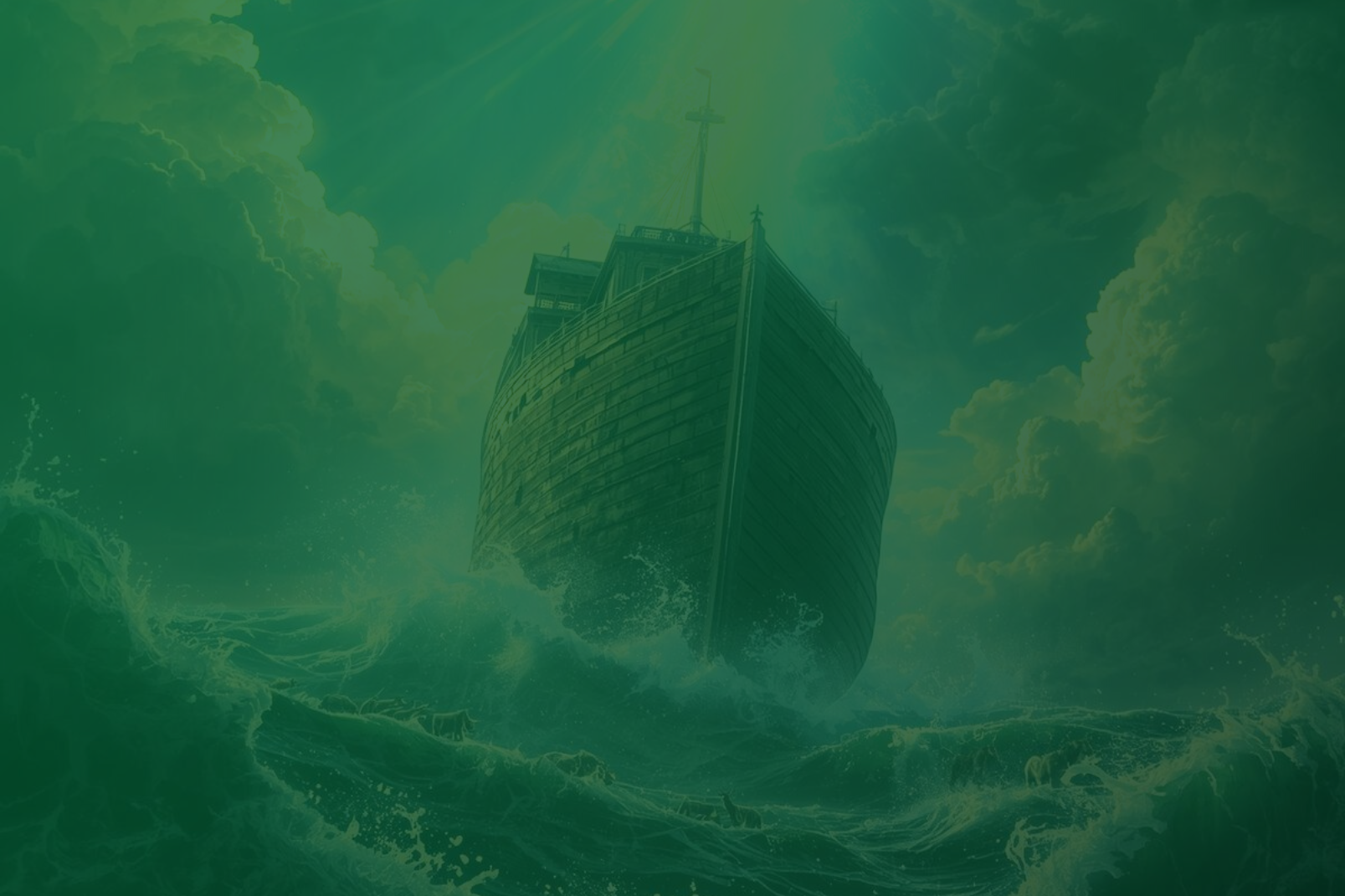
The story of Prophet Noah’s flood is mentioned in several surahs of the Qur’an, one of which is Surah Hud verses 36 to 44. Allah commanded Prophet Noah to build an ark in preparation for the flood. The command came when it had not yet rained and there were no signs of disaster. Prophet Noah carried out the command with full conviction.
When the appointed time came, water gushed forth from the earth and poured down from the sky. The flood drowned those who rejected the warning. Prophet Noah’s ark carried the believers and other living creatures that Allah had commanded. After the waters receded, the ark came to rest on Mount Judi. The flood of Prophet Noah was part of Allah’s decree that came after a long process of preaching and clear warnings.
It was decreed (by Allah), “O earth, swallow your water, and O sky, stop (pouring rain).” The waters receded and the matter (of the destruction of the disbelievers) was settled, and (the ship) came to rest on Mount Judiy,356) and it was said, “Destruction to the wrongdoers.” (QS. Hud verse 44).
Read also: Caring for Sumatra, Ultra Voucher Delivers Donations and Logistical Aid via Dompet Dhuafa
Did Noah’s Flood Cover the Entire World?
Scholars have different views on the extent of Noah’s flood. Some scholars argue that the flood covered the entire earth. This opinion is based on the wording of the verse describing the magnitude of the flood and the salvation that was only given to the believers with Noah.
On the other hand, some scholars understand that the flood occurred in the area where Noah and his people lived. The Qur’an does not explicitly state that the entire surface of the earth was covered with water. What is emphasized is that Noah’s people who rejected the warning drowned, while the believers were saved by Allah.
This difference in opinion does not change the main message of the story of Noah’s flood. The Qur’an emphasizes the cause and effect of human attitudes towards God’s warnings. Continued rejection leads to destruction, while obedience brings salvation.
Read also: Donations for Sumatra: What They Need
Lessons of Faith from the Flood of Prophet Noah
He (Noah) said, “My Lord, I have called my people day and night, but my call has not increased them (in faith), but they (have become) more (distant) (from the truth). Indeed, every time I call them (to believe) so that You may forgive them, they put their fingers in their ears and cover their faces with their clothes. They remain (in denial) and are very arrogant.” (QS. Surat Nuh verses 5-7).
The flood of Prophet Noah teaches us that change requires awareness and obedience. Prophet Noah did not stop reminding his people even though he faced rejection. He continued to carry out his duties patiently. When the warnings were ignored, the consequences came according to Allah’s decree. From this, we can learn that disasters do not appear without cause; disasters come after a series of human attitudes and choices.
Read also: Disaster, Warning, or Punishment for humans
The Flood of Prophet Noah and Human Responsibility
The story of Noah’s flood is also related to the responsibility of humans as inhabitants of the earth. Allah SWT created humans with the mandate to preserve life and not cause destruction. When humans forget this mandate, the impact returns to humans themselves.
In Surah Al-A’raf verse 56, Allah says, “Do not cause corruption on earth after it has been set in order.
Pray to Him with fear and hope. Indeed, Allah’s mercy is very close to those who do good.”Allah forbids humans from causing destruction on earth. This verse serves as a reminder that maintaining the balance of nature is part of obedience. The warning in this verse is in line with the current situation, where floods often occur as a result of environmental damage and unbalanced natural management.
Read also: When Disaster Strikes Sumatra, Are We Among Our Brothers and Sisters in Need
Lessons to be Learned for the Present
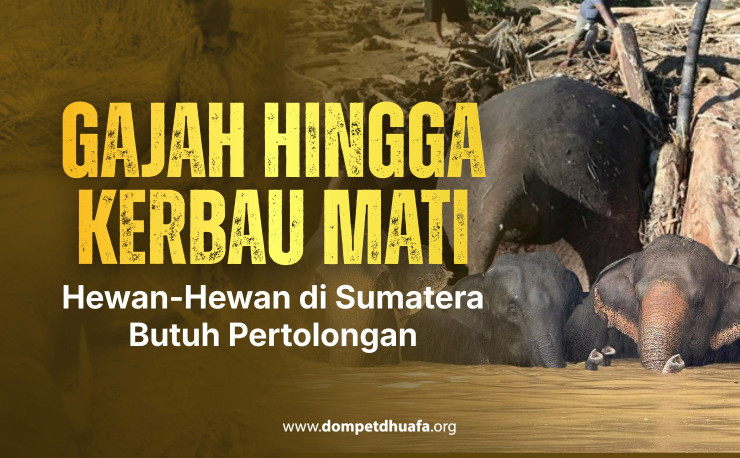
The major floods that occurred in various regions, including Sumatra in late November 2025, remind humans of the story of Noah’s flood. Heavy rains, overflowing rivers, and damaged upstream areas accelerated the arrival of the disaster.
This event did not happen in isolation. It occurred because of the way humans have treated nature over a long period of time.
The story of Noah’s flood teaches us that ignoring warnings from God can have serious consequences. When humans continue to delay making improvements to the natural environment, the risk of disaster increases. Hopefully, from the story of Noah, we will all become more sensitive to the signs of damage and immediately take steps to make improvements.
Read also: Valuable Lessons from the Great Flood in Sumatra
Caring for Human Values Amidst Trials
The story of Noah’s flood holds important lessons about faith, patience, and human responsibility. This story reminds us that warnings always come before disasters. Humans have a big role in determining the direction after the warning appears.
In Islam, caring for others is part of faith. The Prophet Muhammad said that whoever eases the difficulties of others, Allah will ease their difficulties in this world and the hereafter (HR Muslim).
The above hadith emphasizes that social care has a high value in Islam. When disaster strikes, helping survivors is a tangible manifestation of this teaching. When floods hit Sumatra, many survivors needed basic assistance such as clean water, health services, and environmental restoration support.
Dompet Dhuafa runs various humanitarian programs that address these needs. Clean water programs, healthcare services, environmental recovery, and emergency aid are available to help survivors navigate difficult times. These programs embody compassion aligned with the values of faith and humanity. Through Dompet Dhuafa’s digital platform, friends can contribute according to their ability. Every contribution becomes part of the effort to preserve life and reduce the suffering of others.