


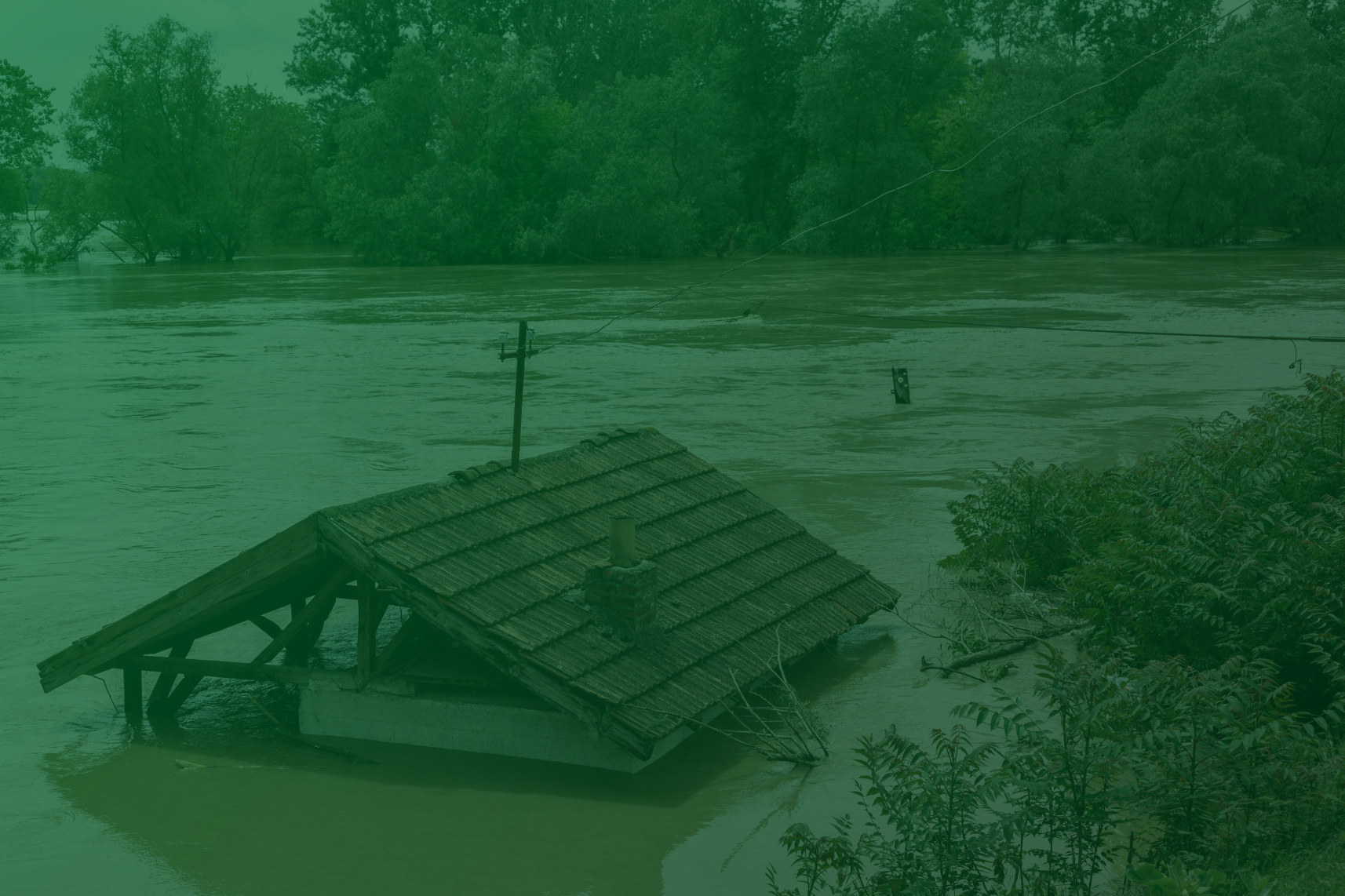
The history of flash floods shows how powerful water can be in destroying lives and changing the history of nations. Flash floods have occurred not only in modern times, but also throughout various periods of history on different continents. Floods come in the form of river overflows, extreme rainfall, or dam collapses, and their impact often serves as an important lesson about life and humanity’s relationship with nature.
Amidst this long history of flash floods, we need to be aware that disasters are not isolated events, but the result of various factors, including climate change, poor land use, and human choices that ignore nature. The history of flash floods reminds us that maintaining the balance of nature is part of our shared responsibility.
Read also: Caring for Sumatra, Ultra Voucher Delivers Donations and Logistical Aid via Dompet Dhuafa
History of the 1889 Johnstown Flood in the United States
One of the events recorded in the history of flash floods is the Johnstown Flood in Pennsylvania, United States, on May 31, 1889. The dam at Lake Conemaugh broke after several days of heavy rain, releasing a huge amount of water into the settlements below. A huge wave of water hit the city and destroyed thousands of buildings. In this event, thousands of people lost their homes and many lives were lost.
The Johnstown Flood serves as a reminder that man-made structures such as dams can pose a major threat when infrastructure damage is not properly anticipated. This event is still studied as one of the most devastating floods in American industrial history.
Read also: Donations for Sumatra: What They Need
History of the 1931 Yangtze River Flood in China
The history of the world’s largest flash floods also includes the Yangtze River flood in China in 1931. This event was not just a normal river overflow, but a combination of heavy rain, melting snow, and storms that caused the Yangtze River and its tributaries to overflow and submerge a vast area. The flood is estimated to have covered more than 30,000 square miles and claimed an estimated death toll of millions.
The 1931 Yangtze flood became one of the most devastating flood tragedies in human history. Residents were not only affected by the flood, but also had difficulty obtaining food and health services because many facilities were damaged.
Read also: Disaster, Warning, or Punishment for humans
The 2010 Pakistan Floods
The history of flash floods around the world also includes the 2010 floods in Pakistan. Extremely heavy monsoon rains in the northern part of the country caused the Indus River and its tributaries to overflow. The overflowing water destroyed homes, farmland, and important infrastructure. More than 20 million people were directly affected by these floods, with thousands of homes damaged and millions of people losing their livelihoods. The Pakistan floods are an example of how a combination of extreme weather conditions and limited flood control systems can create a major humanitarian crisis. This disaster required international and local assistance efforts so that residents could survive and recover.
Read also: When Disaster Strikes Sumatra, Are We There for Our Brothers and Sisters in Need?
History of Flash Floods in 2010 in China and India
The history of flash floods also records another major event in 2010 in several countries. In China, several areas experienced floods and landslides that caused thousands of casualties and enormous losses. Many areas in Jiangxi, Gansu, and other provinces were affected by heavy rains and floods that destroyed land and infrastructure.
At the same time, in northern India, such as Ladakh, flash floods were triggered by sudden heavy rains and rapid mudflows, destroying villages and small infrastructure, leaving hundreds of people without their lives and homes.
The Banqiao Dam in China 1975, History of Flash Floods
One of the most tragic events was the collapse of the Banqiao Dam and dozens of other dams in Henan province, China, in August 1975. The collapse of these dams created widespread flooding and affected more than 10 million people.
The estimated death toll of tens of thousands of people shows the enormous impact of large-scale infrastructure failure. The story of Banqiao is an important lesson about the importance of a strong water defense system and intensive disaster risk monitoring.
Read also: Valuable Lessons from the Great Flood in Sumatra
History of Flash Floods in Indonesia
Indonesia has a long history of flash floods with significant impacts and numerous casualties. These events do not occur in a matter of hours and then subside, but leave behind widespread damage, loss of life, and prolonged trauma. Flash floods in Indonesia are generally triggered by extreme rainfall in upstream areas, with water carrying large volumes of mud, rocks, and wood into residential areas.
In many major cases, flash floods occur in areas that have undergone land cover change. Forests in mountainous areas have been reduced, rivers have lost their capacity, and settlements have developed without adequate natural buffers. This historical record shows that flash floods in Indonesia cannot be separated from the relationship between nature and human activity.
History of the 2010 Wasior Flash Flood in Papua
The Wasior flash flood was one of the deadliest events in modern Indonesian history. Heavy rains in the mountainous region of Papua triggered a flow of water mixed with mud, wood, and large rocks that hit the settlements below. The current came at high speed and left residents with almost no time to escape.
Hundreds of people died and thousands more lost their homes. The damage was not only to residents’ homes, but also to public facilities and transportation access. This event serves as a stark reminder that flash floods can turn into major humanitarian disasters when they occur in areas with fragile natural conditions.
Read also: The wisdom behind natural disasters in Islam, Muslims must know!
The 2016 Flash Flood in Garut, West Java
The Garut flash flood occurred at night and hit urban areas. The Cimanuk River suddenly overflowed and carried mud and debris to residential areas. The floodwaters swept away houses, bridges, and main roads in a short time. Dozens of people died and thousands of residents were affected. The impact of the flood did not stop when the water receded. Thick mud covered houses and public facilities, paralyzing residents’ activities for a long time.
History of the 2019 Sentani Flash Flood in Papua
The flash flood in Sentani came from the Cycloop Mountains and hit residential areas with great force. Water mixed with mud and rocks buried residents’ houses, making it difficult to recognize their original form. Many victims were trapped because the flood came suddenly from upstream. More than a hundred people died in this incident. Environmental damage in the upstream area is said to have exacerbated the impact of the flood.
2020 Masamba Flash Flood in South Sulawesi
Masamba experienced a major flash flood that carried mud as high as an adult’s chest. The floodwaters hit residential areas and damaged thousands of homes. Many residents had to evacuate for a long time because their homes were no longer livable.
Dozens of fatalities were recorded in this incident. The Masamba flash flood showed a pattern similar to other major events. Damage in the upstream area accelerated the flow of water and material to the downstream area. The impact of the disaster was not only physical, but also social and economic.
Read also: 7 Guidelines for Dealing with Disasters in the Qur’an: Self-Preservation is a Priority
How Severe Will the Flash Floods in Sumatra Be in 2025?
The flash floods in Sumatra in late November 2025 were among the most devastating in recent decades. Extreme rainfall triggered by an unusual weather system caused floods and landslides to hit Aceh, North Sumatra, and West Sumatra simultaneously. The latest data from the National Disaster Management Agency (BNPB) shows that the death toll from floods and landslides has reached thousands, with thousands of residents still displaced and hundreds more missing. It is estimated that more than one and a half million people have been affected by this disaster, including damage to homes, schools, and public facilities. In addition to humans, these floods have also destroyed the habitats of rare animals in the region.
Flash Floods as Part of Global Climate Change
The history of flash floods around the world is inseparable from accelerating climate change. In recent years, countries such as Pakistan and South Asia have faced major floods of increasing intensity, linked to changes in storm patterns and global warming. These changes increase the risk of flash floods that attack settlements and threaten the lives and livelihoods of millions of people. Floods in various countries have different characteristics, but they all remind us that nature has tremendous power when its systems are disrupted by human factors or climate change.
Read also: Zakat for the Environment Helps Restore Damaged Ecosystems
Learning from the History of Flash Floods
The history of flash floods reminds us that disasters are not random events. There are patterns, causes, and impacts that can be studied. Factors such as extreme rainfall, poor land management, and climate change contribute to these major events. When we understand the history of flash floods, we also learn how to respond to them better.
In the current context, regions such as Sumatra are also facing increasingly frequent flash floods due to environmental changes. Suboptimal forest management and changes in land use increase the risk of flash floods that hit settlements and people’s lives.
Aid and the Role of Humanity
Flash floods are not just about water coming suddenly, but about how communities recover afterwards. Aid for Sumatra and other affected areas needs to be designed with a broad approach. Short-term assistance such as food, clean water, and shelter is important for daily life. Medium-term assistance includes health services and home restoration. Meanwhile, long-term assistance means improving the environment and building community resilience.
Dompet Dhuafa is one of the institutions working in the humanitarian field to help disaster victims through various programs. Support from the community can help strengthen the response to disasters, including the provision of basic necessities, health services, and environmental rehabilitation so that the impact of flash floods does not recur.
Read also: Zakat for Humanitarian Aid Accelerates Recovery in Affected Areas
Humanitarian Values in Helping Flood Victims
In Islam, helping others during times of disaster is a highly valued act of charity. Allah says, “… And help one another in righteousness and piety.” (QS. Al-Ma’idah verse 2). Caring for flood victims is part of our moral and spiritual obligations. In addition, the Prophet Muhammad said that helping others in times of difficulty will be rewarded with great goodness. (HR. Muslim).
The history of flash floods around the world shows that water coming with great force can destroy property, lives, and social order. However, history also teaches us that humans are able to rise from calamities when there is care and cooperation. Through real assistance, both short-term and long-term, we can help the victims rebuild their lives.
Understanding the history of flash floods is a reminder that the world is fragile, and that every action to protect the environment and help others is an important part of our efforts to preserve life together. May this understanding ensure that aid and solidarity continue to be available to those in need.