


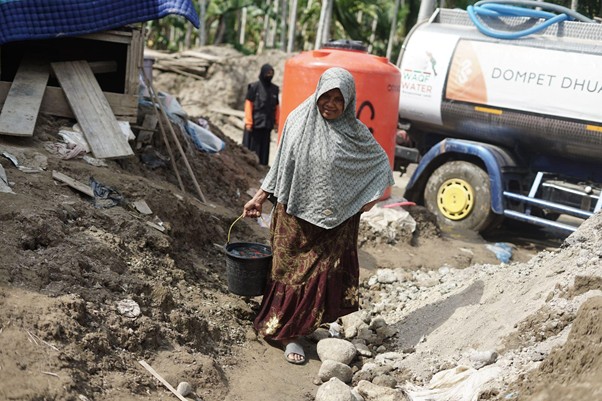
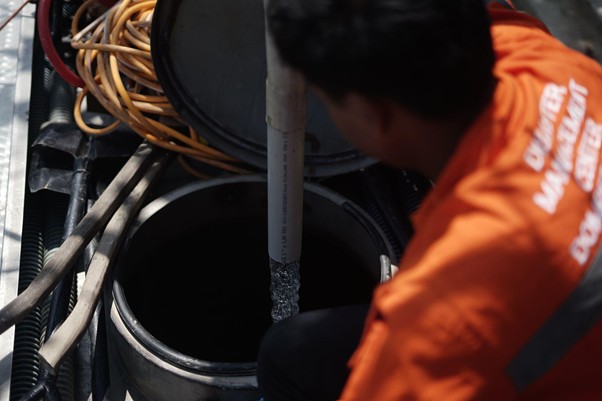
PIDIE JAYA, ACEH —-— One day after the cleanup of public facilities—specifically on Tuesday (January 27, 2026)—the Dompet Dhuafa Volunteer Team headed to the Pidie Jaya Regent’s Office to fill up with water at the Camp Wash facility provided by the Indonesian Red Cross (PMI). After filling the water tanks, the Dompet Dhuafa volunteer team continued their journey to Meunasah Mancang Subdistrict, Pidie Jaya Regency, Aceh.
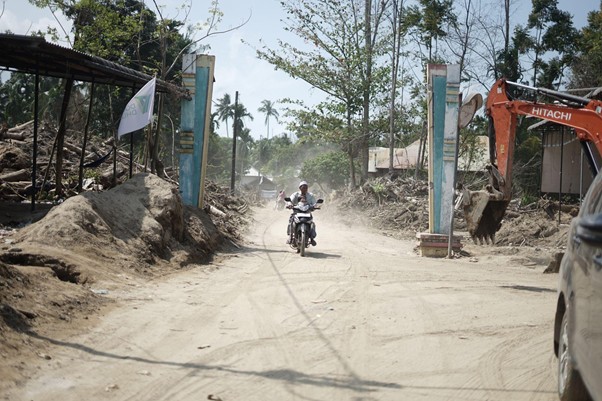
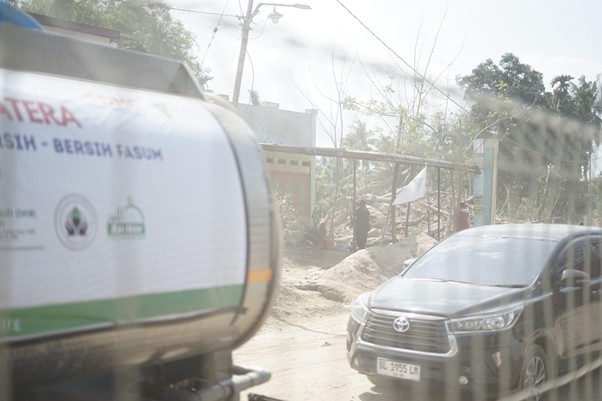
Meunasah Mancang Subdistrict is one of the areas affected by the floods and landslides in Aceh. Along the road leading into the area, both sides of the road were lined with barriers as tall as an adult, with asymmetrical shapes. However, these barriers were not made of cement or concrete, but rather of dried mud that had been dredged up by heavy machinery and had hardened into crusts.
Dompet Dhuafa, together with its mosque partners, such as Baitul Mal Masjid Izzatul Islam, Taman Serua RW 08, DKM Masjid Al Hidayah, Yayasan Nur Ilaahi Taman Serua, and Masjid An Nur, distributed 4,300 liters of clean water, some of which was distributed in the Pidie Jaya area.
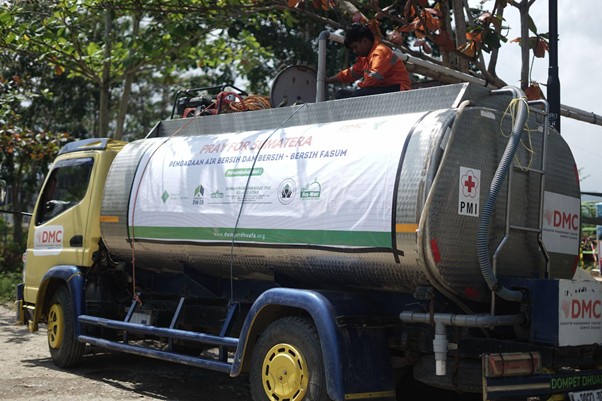
The clean water crisis continues to plague the lives of survivors in several areas of Aceh Province. In the aftermath of the flash floods and landslides, access to safe drinking water has not yet been fully restored. Given these limitations, even murky and polluted rivers have become the last resort for meeting daily needs.
The clean water crisis poses a major threat to the survivors, particularly in the Meunasah Mancang area. This region is among the hardest-hit, as it is located near the Meureudu River. The main clean water supply line has also been cut off.
“We’ve been without water for days, dear. During those four days when it rained, we collected rainwater,” said Nilawati, one of the beneficiaries.
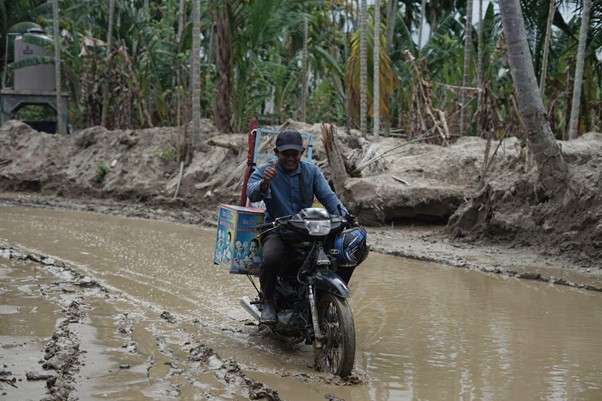
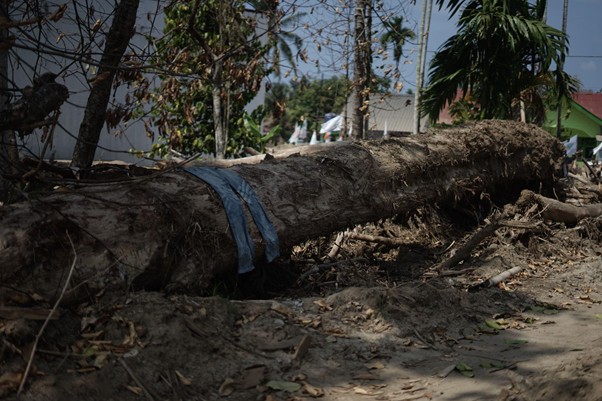
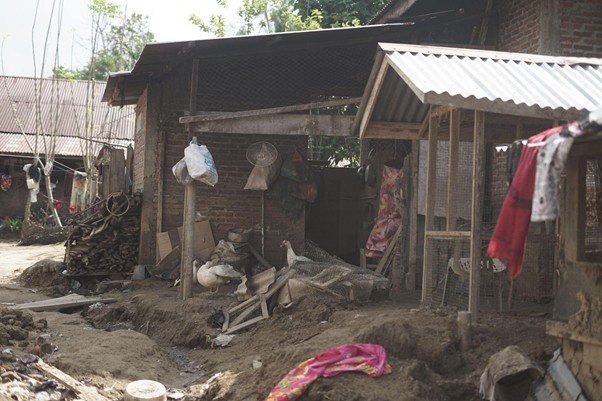
As the truck, carrying 4,300 liters of clean water, drove around, a woman in her 50s called out, asking for her water tank near her house to be filled. There were several houses in the area that had also been affected by the floods and landslides, as evidenced by the remaining mud deposits.
Nilawati described the clean water crisis she was facing. Previously, Nilawati would fetch water from the nearby Meunasah (prayer hall). However, during the flood, the borehole well was damaged and filled with mud.
“There’s no water; sometimes we wait for a passing car. Sometimes by the time a car passes by, the water is already gone, so it’s really hard for us, dear,” Nilawati added.
She actually has her own well at home, but the water is yellow and can only be used for bathing, not for drinking. Several houses in the neighborhood also rely on Nilawati’s well.
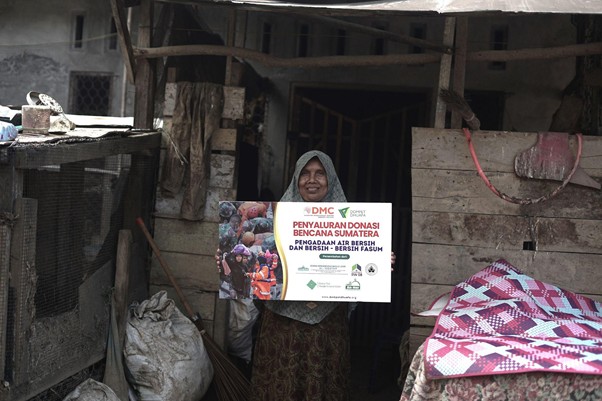
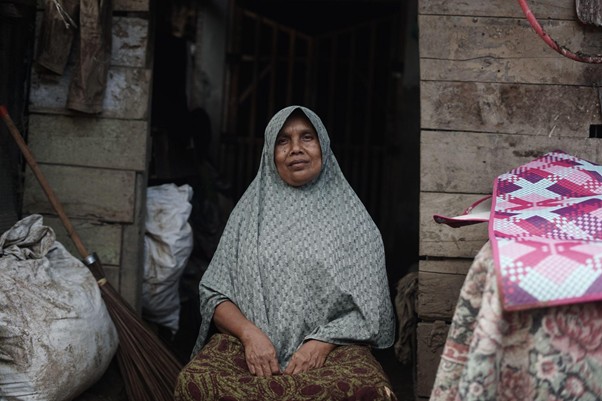
The arrival of clean water aid from the mosque’s partners has made life easier for Nilawati and the survivors in Meunasah Mancang Subdistrict, Pidie Jaya Regency. The water stored in the tank lasts three to four days for the survivors.
“Alhamdulillah, the Dompet Dhuafa truck has arrived. Thank you for bringing us clean water; we have to fill this tank first before we can take any. “I used a bucket earlier to fetch water to take home for washing rice and fish—that’s for drinking over two or three days, enough for many people across several households,” Nilawati added.
Read also: Restoring Access to Clean Water After Floods, Dompet Dhuafa Installs Pipes in Central Tapanuli
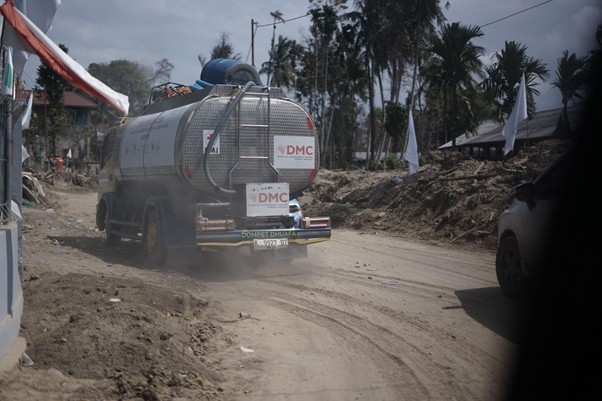
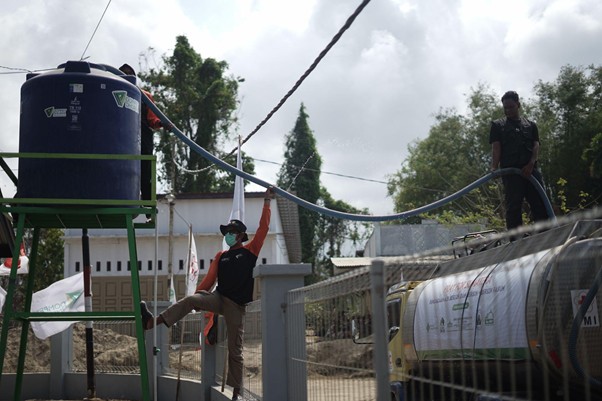
Dompet Dhuafa volunteer Diki explained the distribution process carried out in Meunasah Mancang Subdistrict, Pidie Jaya Regency. Before going around to fill residents’ water tanks, they first distributed clean water to the Meunasah Mancang Community Health Center, which has now been successfully renovated.
“Yes, we distribute the water directly to the water tanks in residents’ homes or to the water storage containers they have on their own property because the capacity of the tanks available at this location is limited. Residents also make use of the existing storage containers; usually, they do wait for the water supply distributed by Dompet Dhuafa,” said Diki.
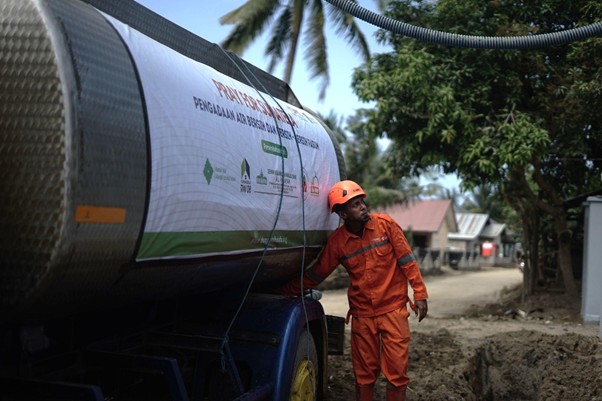
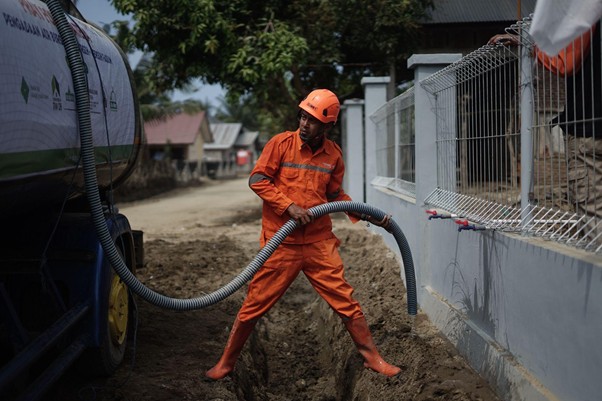
In addition to the clean water crisis and sanitation issues, a new problem has emerged: respiratory problems caused by thick dust billowing from the dried mud.
“Dompet Dhuafa also recently watered the roads because the dust on them was so thick; we’re trying to reduce the risk of illness for residents since the dust is very dirty and can cause respiratory problems,” Diki continued.
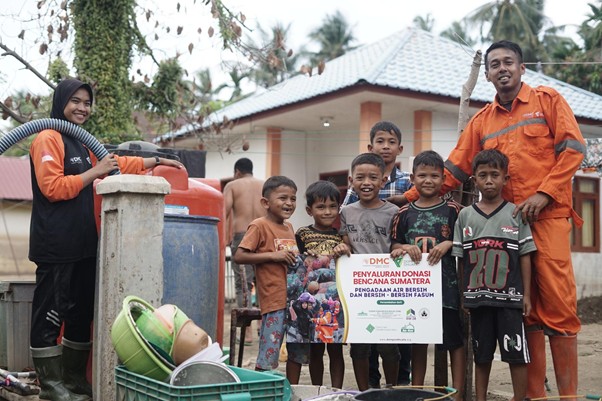
Dompet Dhuafa extends its gratitude to all partners who have collaborated on the recovery efforts in Sumatra. The support, compassion, and cooperation demonstrated not only help restore physical conditions in the aftermath of the disaster but also bring relief and hope to the affected communities. May every effort and act of kindness become a source of ongoing charitable merit and strengthen our resolve to continue helping one another amid various trials. (Dompet Dhuafa)
Text and photos: Anndini Dwi Putri
Editor: Ronna