


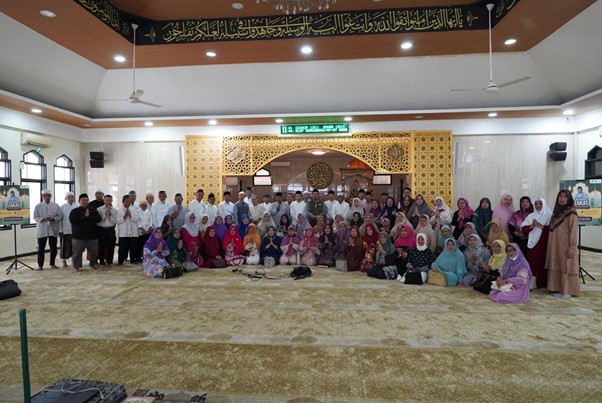
DEPOK, WEST JAVA —-— Dompet Dhuafa, in collaboration with the Jami’ Al-Muttaqien Mosque, held a Zakat Seminar titled “Understanding Zakat: From Its Legal Basis and Wisdom to Its Implementation” at Jalan Moh Gobel RW 14, Lembah Hijau, Mekarsari, Cimanggis District, Depok City, on Saturday (February 21, 2026).
The form of zakat most familiar to the public is zakat al-fitr, as it is obligatory for every Muslim. This zakat is typically paid before the Eid al-Fitr prayer. The amount is 2.5 kg of rice or the equivalent of Rp50,000 per person. Beyond this, zakat encompasses a broad scope and is important to study further.
“It is possible that many people do not yet understand its jurisprudence, its history, or its benefits and merits. Yet this knowledge has a strong social impact when the public realizes that zakat is prescribed by Islamic law,” said Ustaz Ahmad Fauzi Qasim during the event.
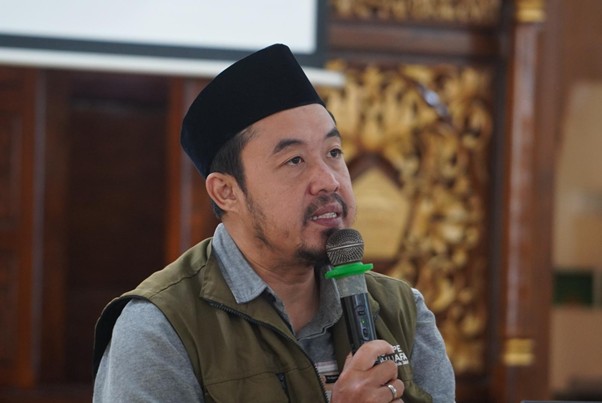
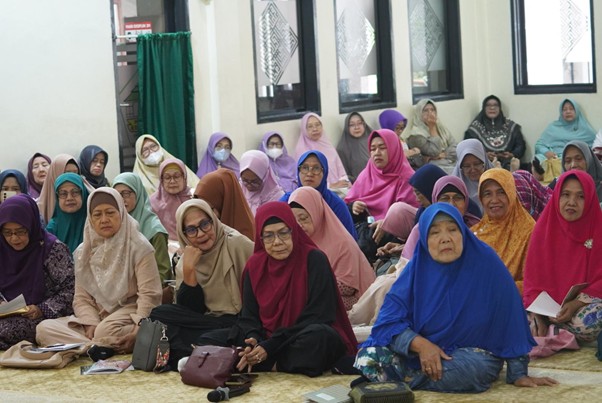
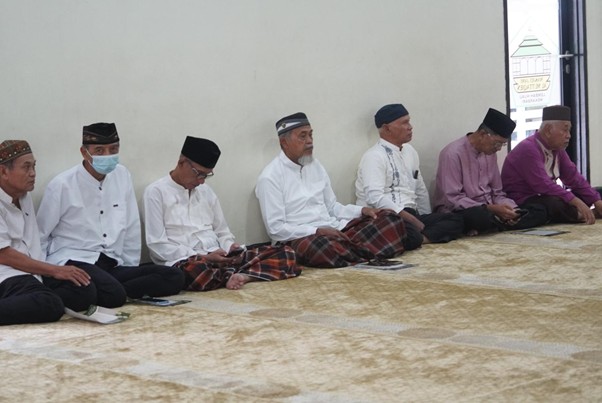
Ustaz Ahmad Fauzi Qasim began the discussion by highlighting the relationship between humans and wealth. According to him, while a person is still alive, they can distribute their wealth through zakat, waqf, gifts, and buying and selling. However, once a person has passed away, their wealth can be used to settle debts, be bequeathed, and be inherited.
However, the discussion that day focused on how living people can make good use of their wealth. He explained the differences between zakat, infaq, sadaqah, and waqf (Ziswaf).
“Wealth given for the sake of Allah is called infak; sedekah is infak intended for others; when sedekah is institutionalized, it becomes wakaf; and if sedekah is not institutionalized, has specific boundaries, and is obligatory in nature, it is called zakat,” explained the Sharia Council of the Dompet Dhuafa Zakat Management Institution.
Read also: Expanding Their Knowledge of Ziswaf, Azhari Islamic School Students Visit Dompet Dhuafa Office
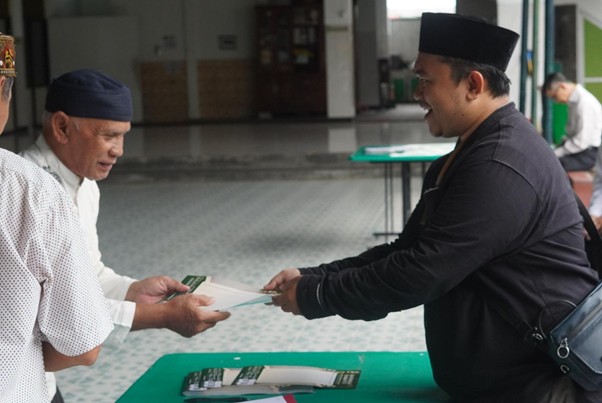
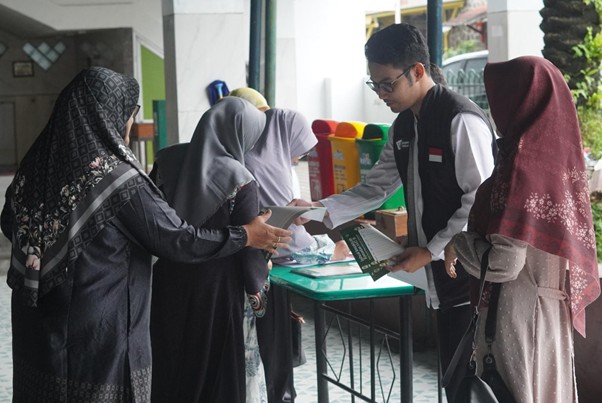
The graduate of the Master’s Program in Middle Eastern Studies at UGM hopes that a comprehensive understanding of zakat studies will serve as a foundation for distributing wealth more wisely to those in greater need.
“May we be able to make a positive impact on those who are entitled to receive it, for the benefit of our lives in the hereafter,” he said.
Historically, the Jami’ Al-Muttaqien Mosque has stood since 1989 and was officially inaugurated by the first President of the Republic of Indonesia, Soekarno. Apparently, this legendary mosque is the result of a waqf from the Pancasila Muslim Charity Foundation (YAMP).
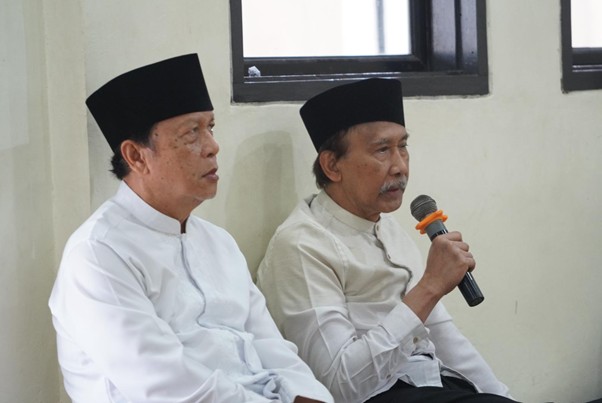
In line with Fauzi, Mutamim, a member of the Al-Muttaqien Mosque Prosperity Council (DKM), acknowledged that many people still do not fully understand zakat. He observed a gap between zakat recipients and givers. In fact, he noted that quite a few people in the neighborhood around the mosque are already obligated to pay zakat mal.
“Hopefully, after this study, many congregants will be enlightened and fulfill their obligations,” he said.
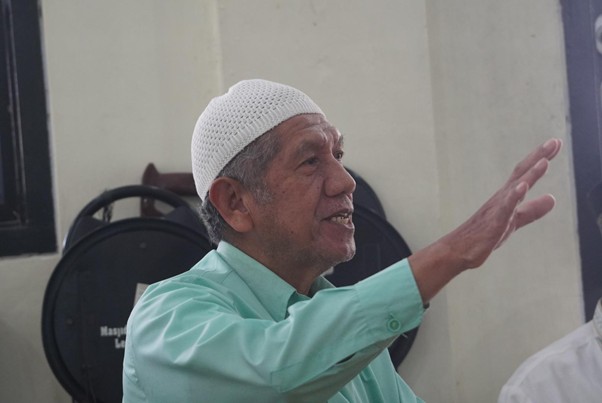
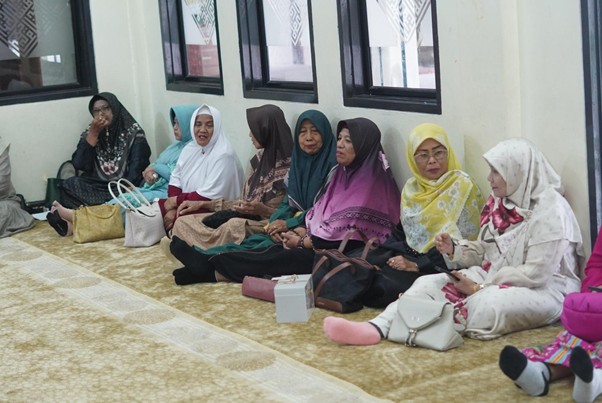
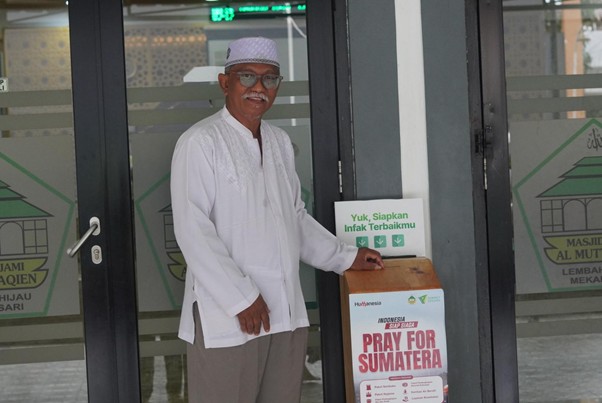
Banar DKM General Treasurer Setyo Mulyono said that they have collaborated with Dompet Dhuafa on numerous occasions.
“We have collaborated frequently. Whenever a disaster strikes, we help collect donations and distribute them through Dompet Dhuafa to provide support to survivors, such as during the flash floods that hit Sumatra,” he said. (Dompet Dhuafa)
Text and photos: Aji Pangestu
Editor: Dhika