


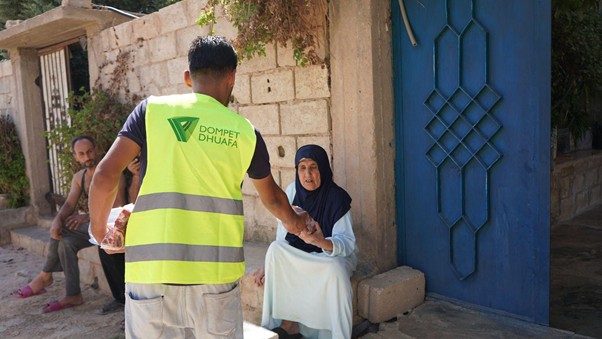
JAKARTA —-— “Thank you, may Allah reward you for your kindness, to the donors and members of this organization,” said one of the survivors in Gaza, Palestine.
The Qurbani Animal Distribution Program (THK) run by Dompet Dhuafa this year has once again expanded its qurbani distribution to a number of regions. Not only targeting remote areas in Indonesia, qurbani distribution is also directed to Palestine and other countries currently ravaged by war and humanitarian disasters, including those facing limited access to food.
Reports from the Food and Agriculture Organization and the World Food Programme indicate that communities in conflict zones and disaster-affected areas still struggle to obtain animal protein. This is cross-border solidarity—support voiced by the Muslim community for brothers and sisters affected by war and humanitarian crises across national borders.
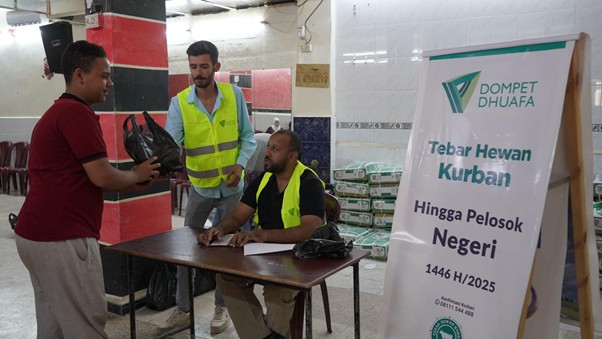
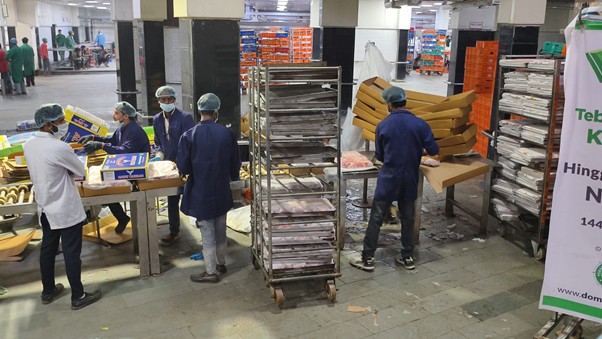
For the distribution of Qurbani donations to Palestine, Dompet Dhuafa does not perform the slaughter of sacrificial animals directly in Gaza due to security concerns and limited availability of livestock.
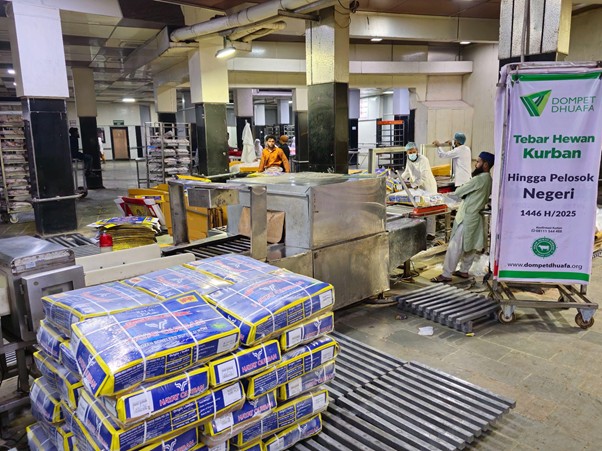
The slaughter of sacrificial animals will be carried out in India, with buffalo serving as the primary animal. India was chosen because of the abundant supply of buffalo and more affordable prices compared to purchasing live animals in Palestine.
Read also: Qurbani for Palestine: Bringing Hope Amid a Famine Emergency
“So we will slaughter buffaloes from India and then send them to Palestine; we do not slaughter live animals in Gaza due to security concerns and the limited availability of animals suitable for sacrifice,” said Syamsul Ardiansyah, Strategic Alliance Manager at Dompet Dhuafa.
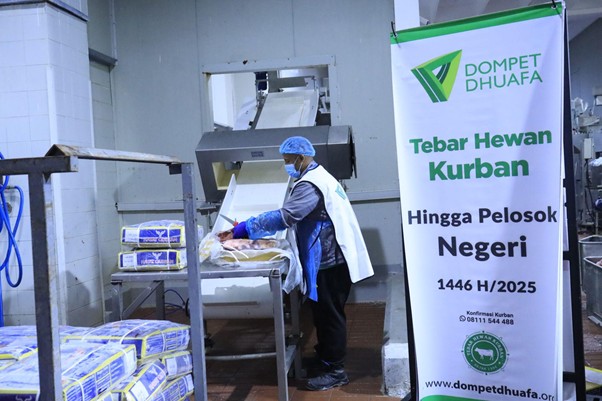
The meat from the slaughter in India will be packaged as frozen meat before being distributed to Palestinian refugees in various regions around Palestine, such as the West Bank, Lebanon, Syria, Jordan, Turkey, and Egypt.
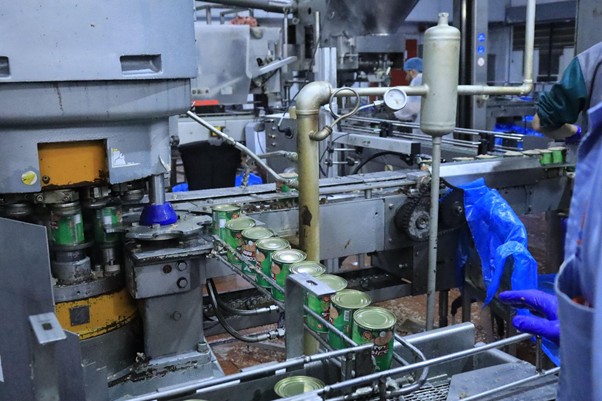
Furthermore, according to Syamsul, the distribution is targeted to take place within one month after the slaughter. In addition to frozen meat, some of the sacrificial meat will also be sent to factories in Egypt and Dubai to be processed into canned meat.
These canned products are prioritized for entry into Gaza because they have a longer shelf life and are considered more suitable for the logistical challenges of humanitarian aid.
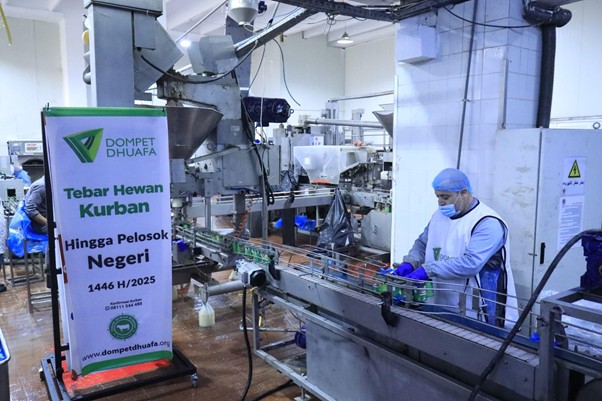
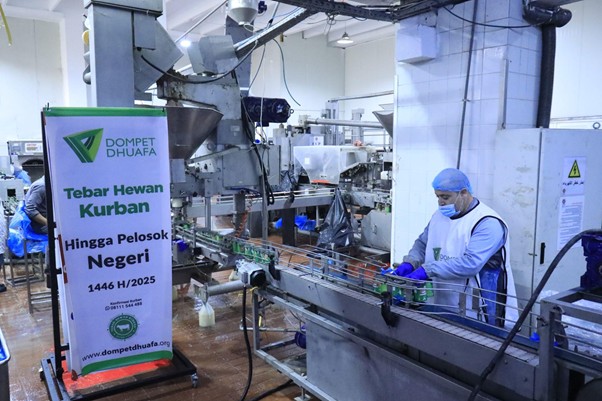
The canned meat will be produced in two varieties: “pure meat,” which consists of whole, ready-to-eat meat without added seasoning, and “meat with sauce,” which has been seasoned to suit Palestinian tastes. Both products are designed to be consumed immediately after heating.
“We’re specifically making this for shipment into Gaza—that’s why we’re producing it in cans—because we’re considering the shelf life, which is longer in canned form, and it can be accepted by Palestinians, especially in Gaza, for a period of no less than six months,” Syamsul added.
Dompet Dhuafa is also expanding its qurbani distribution to seven countries currently facing humanitarian crises: Myanmar, Somalia, Palestine, Syria, Lebanon, Jordan, and Sudan. This program is carried out in collaboration with three global partners. This year, Dompet Dhuafa has also added camels to the list of animals to be sacrificed.
For the 1447 H Qurbani Animal Distribution Program, Dompet Dhuafa is targeting at least around 142 buffalo for Palestine. However, Dompet Dhuafa also hopes that the number of animals successfully collected can reach 300 so that the benefits can reach more Palestinian refugees in various countries.
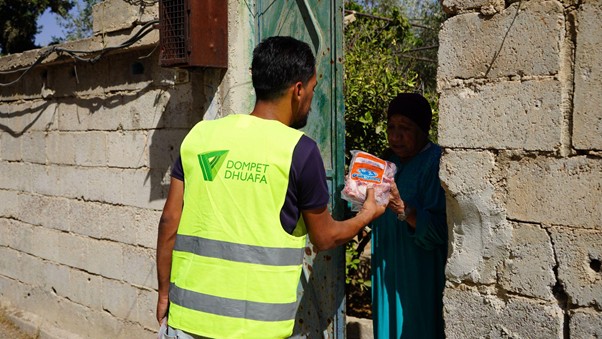
Through this cross-border distribution program, Dompet Dhuafa hopes that the benefits of the qurbani will reach more people in need, including those in areas facing humanitarian crises. (Dompet Dhuafa)
Text and Photos: Anndini
Editor: Dhika