


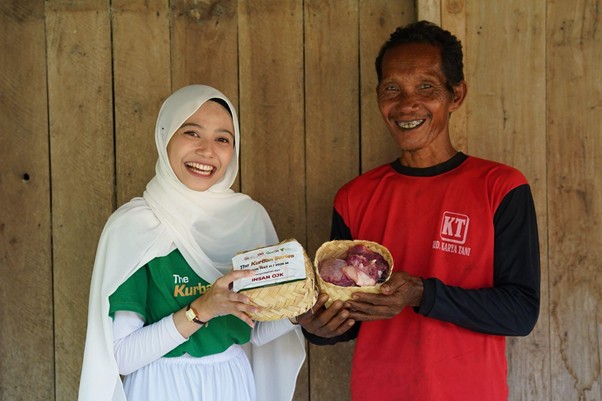
BOJONEGORO, EAST JAVA — A new record of kindness has just been set in a remote area of Bojonegoro Regency. Through the 2026 Qurbani Animal Distribution Program (THK), a strategic partnership between Dompet Dhuafa and the Islamic Spiritual Affairs Division of the Financial Services Authority (ROIS OJK) distributed 47 qurbani animals there. This collaboration simultaneously breaks through the annual meat supply constraints that have long been a challenge for communities in areas with a qurbani surplus deficit.
For the residents of Jepang Village, Margomulyo Subdistrict, the Eid al-Adha celebration on Wednesday (May 27, 2026) or the 10th of Zulhijah 1447 Hijri left a deeply memorable impression. This remote area, located about 60 kilometers from the city of Madiun, was suddenly abuzz with the enthusiasm of residents preparing to welcome the large-scale distribution of qurbani meat.
While in previous years the qurbani quota in this village was relatively low, this year the atmosphere has completely changed. The significant increase in the number of qurbani animals, thanks to support from ROIS OJK, brought double the joy to local farmers who rarely consume meat in their daily lives.
“This is a very special moment for our region. Usually, there are only five qurbani animals in this village; at most, it ranged from five to 20 a few years ago. But today, the generosity of ROIS OJK and Dompet Dhuafa donors has brought abundant blessings. We are deeply grateful,” said Jumadi, a local farmer and beneficiary, his eyes brimming with tears.
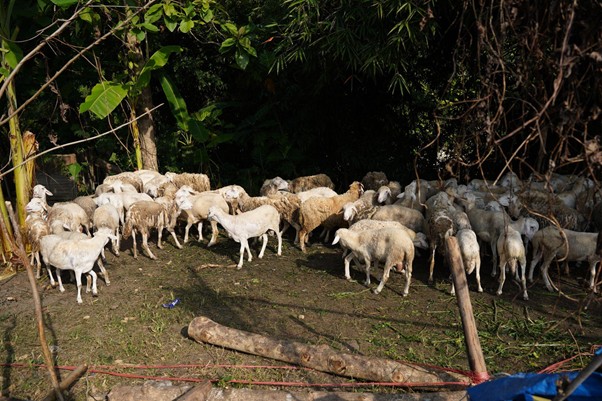
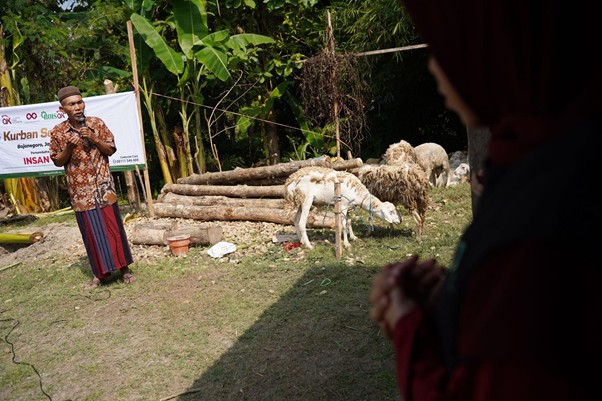
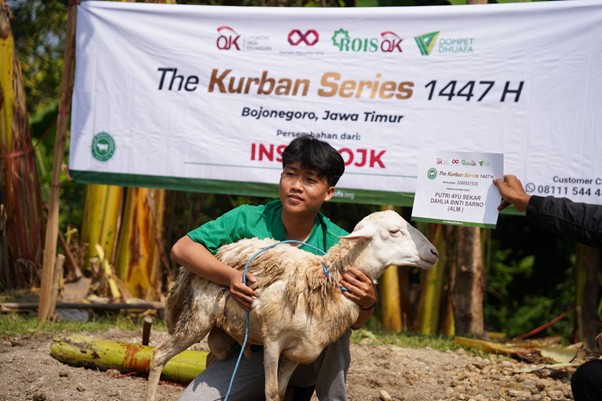
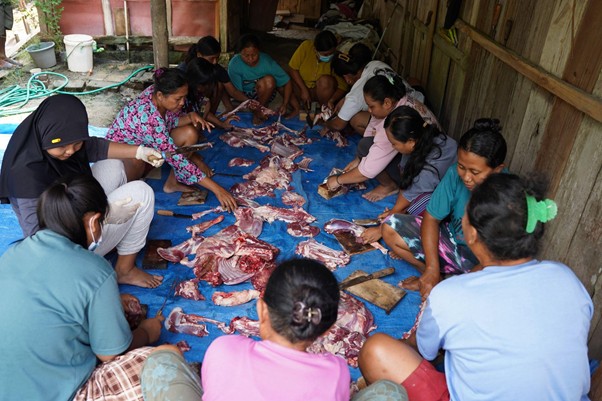
Since early morning, following the serene and peaceful Eid al-Adha prayer under the eastern skies of Java, the buzz of activity among the villagers could already be felt beneath the shade of the village’s bamboo groves. The men were busy assembling wooden support poles and digging holes. Meanwhile, the women were preparing to cut and package the qurbani meat to be distributed to the villagers. Meanwhile, dozens of high-quality qurbani animals appeared healthy and ready to be slaughtered in accordance with Islamic law.
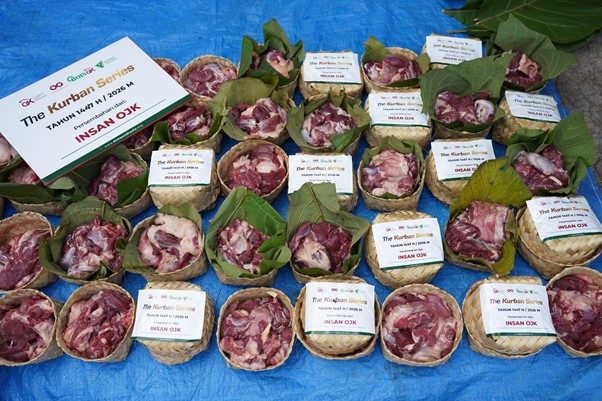
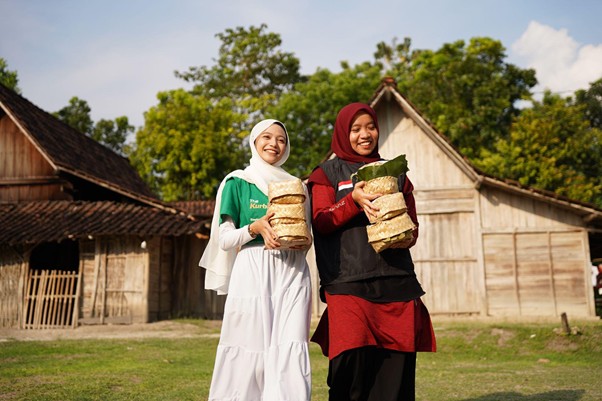
This collaboration extends beyond transactional aspects, reviving the spirit of rural mutual aid. Once the slaughtering process was complete, the community divided tasks with remarkable efficiency. The men slaughtered and cut the meat, while the women were tasked with chopping it, weighing the meat precisely at two kilograms per family, and neatly packaging it using traditional rattan baskets lined with teak leaves. This approach was chosen as a commitment to environmental sustainability while reducing the use of single-use plastic.
“Insha’Allah, there are around 270 households in Desa Jepang who are guaranteed to receive their share equitably. Moreover, since the qurbani animal quota from ROIS OJK is abundant, residents of neighboring villages around Desa Jepang can also benefit from the distribution reaching other families,” explained Adek Teguh, a representative of ROIS OJK East Java who was present during the THK event in Desa Jepang.
“In addition to the 47 head of cattle in Bojonegoro, we also distributed 30 head of cattle as part of the joint qurbani with Dompet Dhuafa in the Kupang and South Central Timor regions of West Nusa Tenggara,” he added.
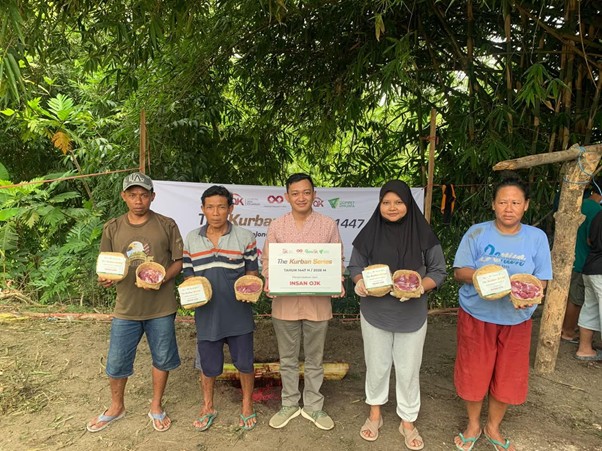
“Alhamdulillah, I’m so happy. Usually we just eat vegetables, but we get to eat meat during Eid like this. After all, we’re farmers who also work as construction workers on the side. Anyway, thank you, ROIS OJK, for caring about us,” said Jaiman, a THK beneficiary in Jepang Village.
This qurbani distribution in Bojonegoro is actually part of a much larger humanitarian movement at the regional level. Pradila, a representative from Dompet Dhuafa’s Partnership, stated that the 2026 THK program on Eid al-Adha 1447 H is simultaneously conducting the slaughter and distribution of 390 sacrificial animals—equivalent to doka (sheep/goats)—to various regions across East Java. It is planned that by the third day of Tasyrik, THK distribution will reach a total of 1,500 doka.
This assistance is distributed proportionally across 13 regions in East Java. In addition to Bojonegoro, which is fully supported by ROIS OJK, other THK distribution points include the areas of Surabaya, Situbondo, Tuban, Mojokerto, Madiun, Ponorogo, Pacitan, Banyuwangi, Jember, Gresik, Madura, and all the way to the eastern tip of Sumenep.
“This Qurbani management initiative was successfully realized thanks to a strong collaborative ecosystem involving multiple sectors. The collaboration between formal financial institutions like ROIS OJK and the philanthropic organization Dompet Dhuafa creates a positive ripple effect. This value chain begins with the empowerment of local livestock farmers, the involvement of amil (charity administrators), courier logistics services, and culminates in meeting the nutritional needs of those in need,” said Pradila.
Read also: ROIS OJK Solidarity Spreads Qurban Joy to North Sumatra and NTT
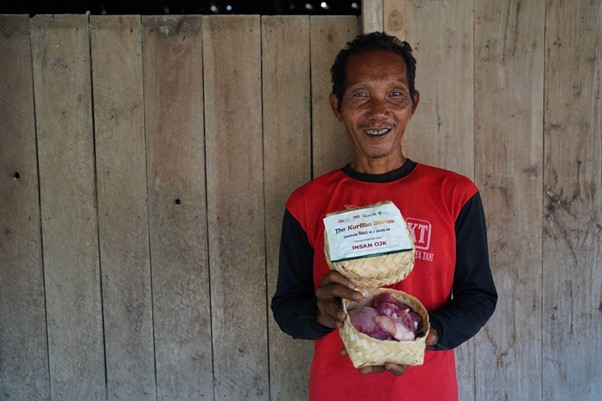
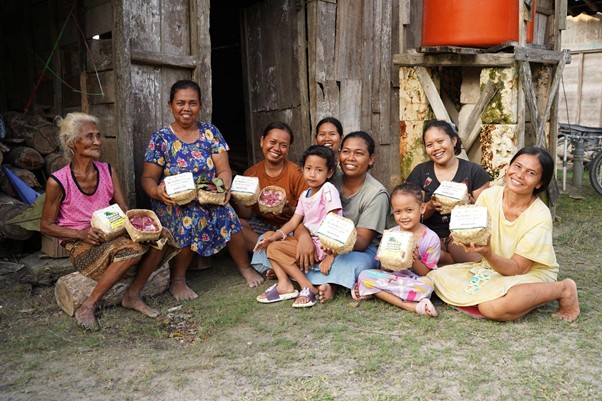
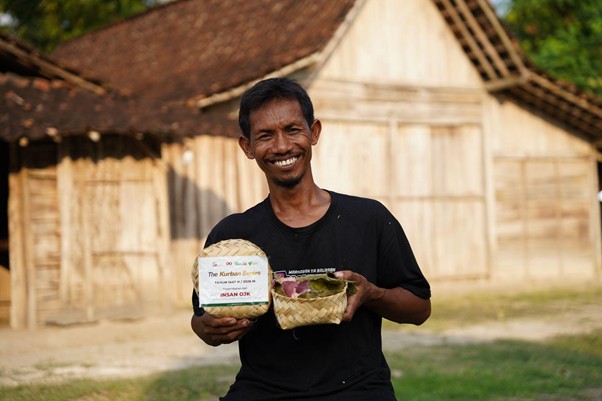
Through a grand vision titled THK: Kurban The Series 2026, the act of kurban is transforming from a mere personal ritual into an economic bridge and a symbol of social compassion that bridges the gap between urban centers and the remote corners of the archipelago.
The door to kindness remains wide open until the end of the third day of Tasyrik. For those wishing to amplify the impact of this blessing, information and participation in the qurbani can be accessed directly through the official platform at digital.dompetdhuafa.org/kurban. Distributing qurbani through Dompet Dhuafa, a trusted social institution, ensures your noble intentions are channeled precisely to those in need. (Dompet Dhuafa)
Text and photos: Dhika
Editor: Dedi Fadlil