


PACITAN, EAST JAVA — (09/09/2022) Pacitan Regency is one of the regencies located in the southern part of East Java, which directly borders the Indian Ocean, namely Pacitan Bay, so that the area is influenced by the characteristics of the sea such as sea winds and tides.
Pacitan Regency is close to the meeting of continental plates, making this area very prone to earthquakes and tsunamis. In addition, human activities in upstream areas such as logging, disposal of road widening material waste, pollution and stone mining, result in sedimentation in Pacitan Bay.
Coastal Change Analysis in Pacitan Bay, Pacitan Regency, East Java (2012) shows that the Pacitan Bay coast is experiencing abrasion and accretion. The findings of this study predict that every year for 8 years (2012-2020) the beach will experience abrasion with the widest abrasion in 2016, covering an area of 82,820 m2 and an area of 32,900 m2 of accreted land.
In simple terms, abrasion means the erosion of coastal areas due to tidal waves, winds over the ocean, sea waves and destructive ocean currents. Meanwhile, accretion means the change in the coastline towards the sea.

Other causes of abrasion include an imbalance in the marine ecosystem where there is massive exploitation by humans of the wealth of marine resources such as fish, coral reefs and other biota. So that when there are strong currents or waves, they will immediately lead to the beach which can cause abrasion.
Global warming is also a trigger for beach abrasion, for example, from motor vehicle activity or from industrial factories and forest burning. The smoke that produces carbon dioxide will block the escape of solar heat reflected by the earth. As a result, this heat will be trapped in the atmospheric layer which can cause the temperature on earth to increase. If there is an increase in temperature on Earth, the ice at the North Pole will melt and the sea level will rise, which can affect low-lying coastal areas.
Large-scale sand mining by humans is also a factor in beach abrasion. This has a direct effect on the speed and direction of sea water when it hits the beach area. This is because if it does not carry sand, the force to hit the beach is greater.
In 2013, it was reported that the beaches in Pacitan – Trenggalek had experienced abrasion due to tidal waves, causing a decrease in the surface of Teleng Ria Beach in Pacitan Regency and Pasir Putih and Prigi Beach in Trenggalek Regency.
The abrasion on Pacitan and Trenggalek Beaches caused a small one-meter-deep ravine. Some parts of public facilities were also damaged, such as the watchtower.
“Tidal waves like this happen every year. But this was beyond prediction,” said Didit Maryanto, who at that time was the Chief Executive of the Pacitan Regional Disaster Management Agency (BPBD) as reported by Antara (01/07/2013).
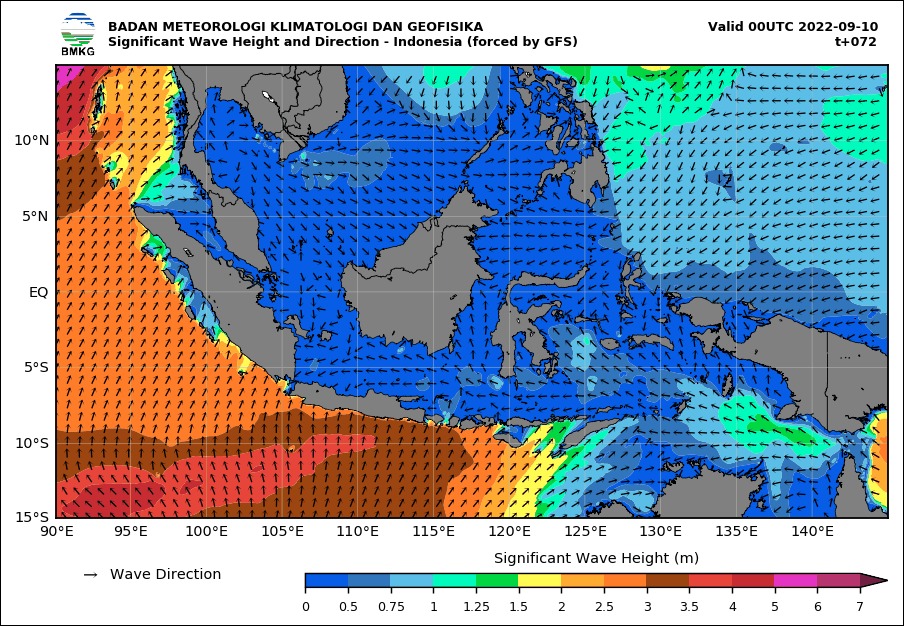
When the intensity of abrasion increases, the life of the community and the environment can be threatened. One of these threats is tidal flooding. This can be seen from the tidal flooding disaster that occurred on August 12, 2021, when the south coast of Tulungagung to Pacitan caused residents to panic due to sea water starting to enter residential areas.
Panic is one of the impacts that the community experiences due to abrasion. In a study entitled The Impact of Abrasion on the Socioeconomic Conditions of the Kedung District Community, Jepara (2021), it was found that 78 percent of respondents believe abrasion causes discomfort and anxiety. This is because abrasion reduces the income of fish farmers, fishermen or communities that are heavily dependent on marine resources.
Then there are 61 percent of respondents who believe abrasion affects social conditions between communities. This is because abrasion cuts off access and interaction between villages separated by the sea. Road access is also damaged, so the intensity of interaction between communities decreases
In addition to the economic field, the presence of abrasion also has an impact. Still in the same study, abrasion caused the loss of salt ponds. 56 percent of respondents believe abrasion causes a reduction in income. This is usually followed by high tidal waves, and forces fishermen to stay away from the sea for up to a month. When fishermen are not at sea, they usually switch professions temporarily to make up for the reduced income. This adds to the long list of impacts of abrasion on community life. In fact, in 2019, it was reported that three women were killed when buried by land undergoing abrasion.
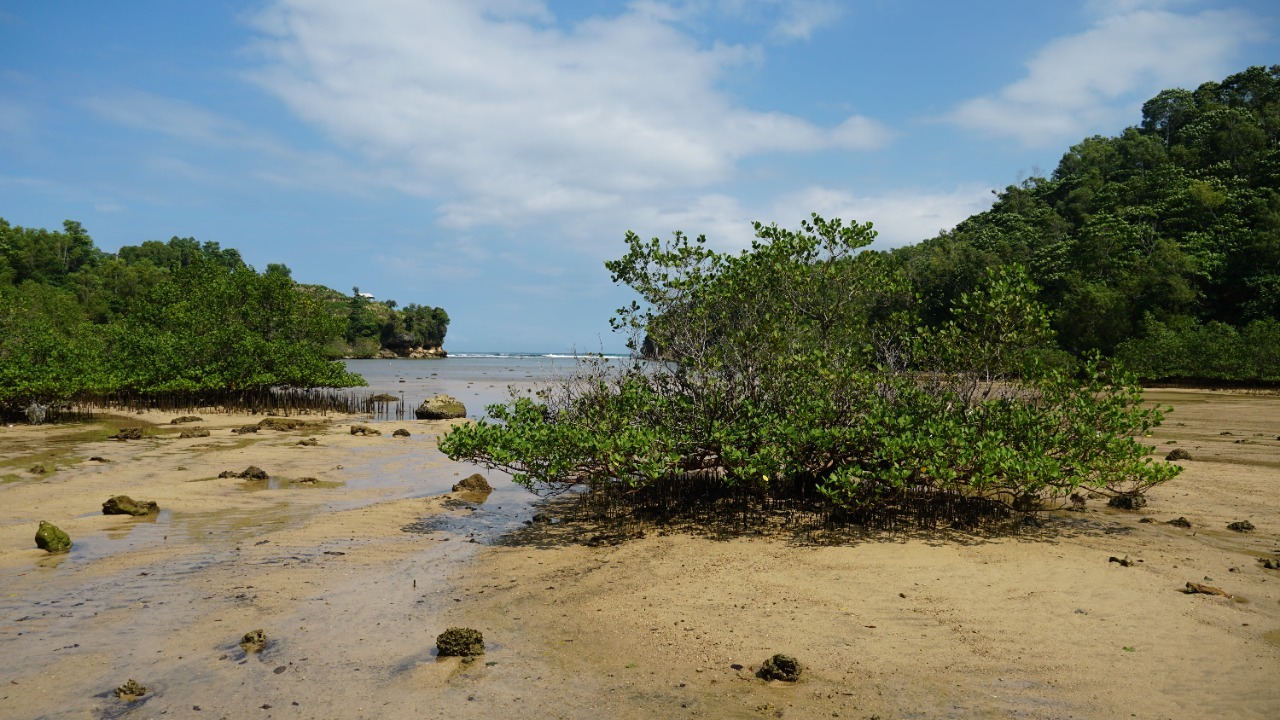
Seeing the above reality, the DMC (Disaster Management Center) of Dompet Dhuafa invites the community to participate with the DMC of Dompet Dhuafa in carrying out disaster risk reduction (DRR) efforts for the abrasion event in Pacitan.
Previously, the DMC of Dompet Dhuafa collaborated with INDOFEST 2022 in the Tree Alms campaign in early September 2022. The result of the collaboration will be a program to plant 1000 mangrove trees and a clean-up action in the coastal area of Pacitan.
“With the title KolaborAksi (CollaborAction) between DMC (Destination Management Company) Dompet Dhuafa and INDOFEST 2022, we invite the community and related stakeholders to participate in efforts to reduce the risk of disasters in Pacitan,” explained Haryo Mojopahit, Chief Executive of DMC (Destination Management Company) Dompet Dhuafa.
Read also: DMC Intensifies Tree Almsgiving at Asia’s Biggest Outdoor & Adventure Event
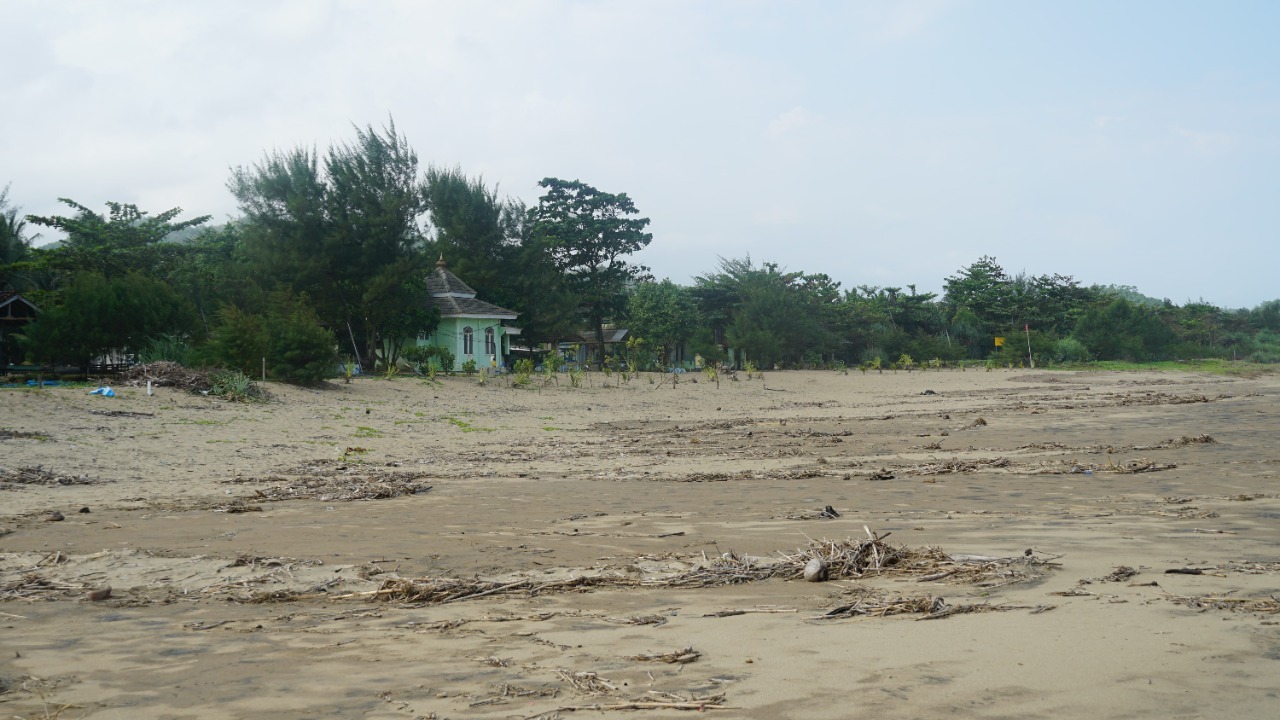
Mangrove planting is believed to reduce abrasion in coastal areas. In addition, mangroves are believed to be able to repair marine ecosystems that have been damaged by both abrasion and scattered garbage.
Mangroves can also be a new place for marine life to live, and to some extent they can also reduce wave energy in the event of a tsunami. Considering the monitoring of the Meteorology, Climatology, and Geophysics Agency (BMKG) as of September 2022, the Pacitan area is included in the area with the threat of high tidal waves which can lead to abrasion.
According to an Inarisk study, Pacitan itself is one of the areas with the threat of extreme waves and abrasion with a medium-to-medium category. It is estimated that 12,437 people are exposed to extreme waves and abrasion in Pacitan Regency. Thirteen percent of them are vulnerable groups in terms of age, economy, and disability. The combination of the vulnerable community group index as a whole provides information that the class of people exposed to extreme waves and abrasion disasters in Pacitan Regency is in the HIGH class.
In addition, it is estimated that the community will suffer losses of 75.14 billion rupiah and damage 699.36 hectares of the environment if exposed to extreme waves and abrasion in Pacitan Regency. Overall, Pacitan Regency is in the HIGH category for extreme wave and abrasion disasters.
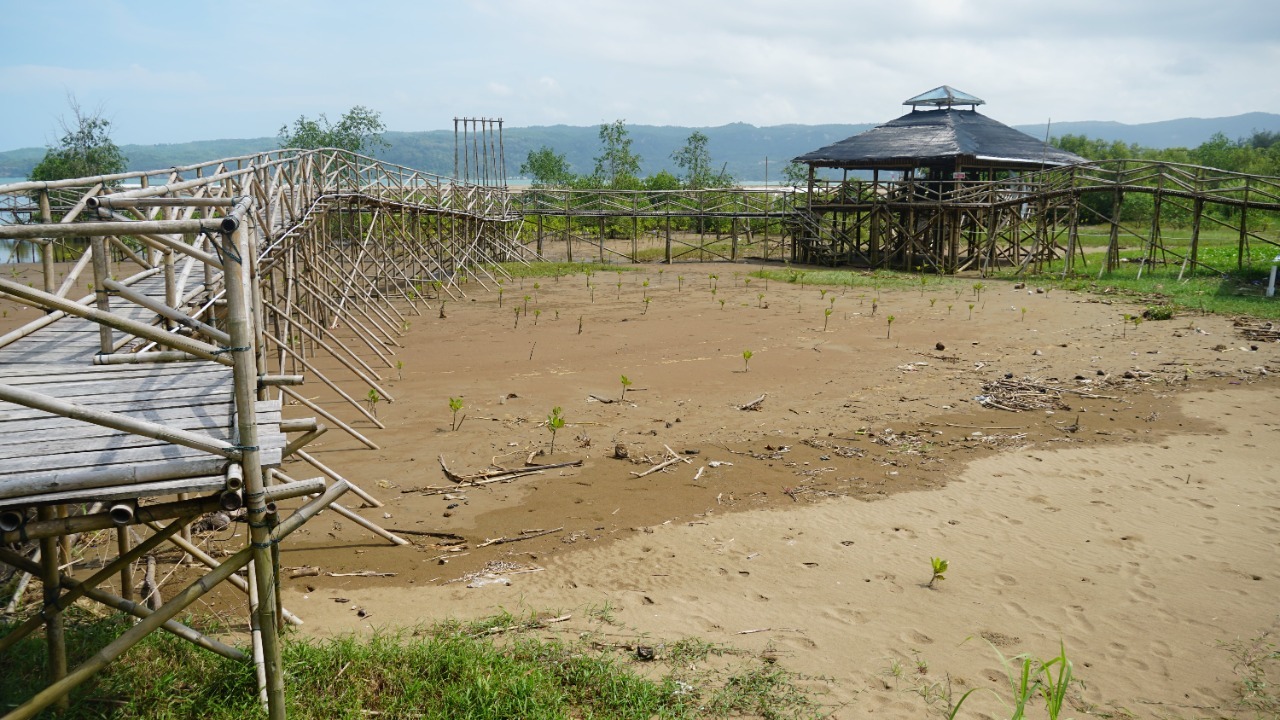
This is compounded by the fact that the preparedness capacity index in Pacitas Regency for extreme waves and abrasion is the lowest index in preparedness capacity, which is on par with the index of technological failure and social conflict.
“The results of the assessment conducted by the Dompet Dhuafa DMC team found that Pacitan is threatened with abrasion. God willing, in the near future, the Tree Almsgiving in Pacitan will be carried out between September and October 2022. Please pray for us,” explained Haryo.
For people who are interested in participating in the Tree Almsgiving in Pacitan, they can visit the donation portal at https://donasi.dompetdhuafa.org/lessplasticmoreaction/ . (Dompet Dhuafa / DMC)