


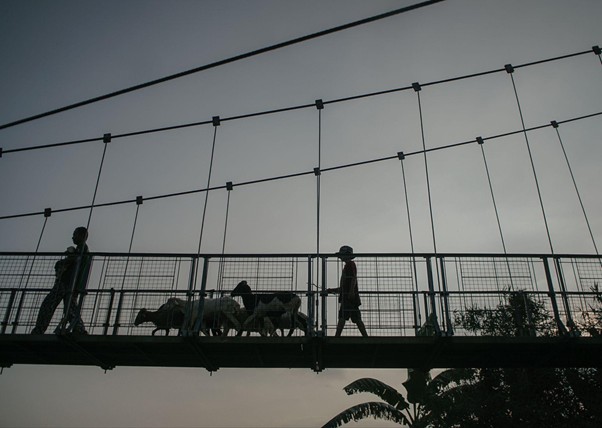
وَاتْلُ عَلَيْهِمْ نَبَاَ اِبْرٰهِيْمَ ۘ
And recite to them the story of Abraham. (Q.S. 26:69)
The Ministry of Religious Affairs’ commentary states that Allah the Almighty commanded Prophet Muhammad, peace be upon him, to recount to the polytheists of Mecca the story of Prophet Ibrahim, peace be upon him, as a lesson for all his people. They were expected to emulate and follow the noble qualities that adorned the character of Prophet Ibrahim, peace be upon him.
He was sincere in his deeds, trusting in God, and always worshipped the One and Only God. God blessed him with intelligence from a young age as a gift befitting a messenger. This is what led Ibrahim to constantly oppose his people (including his father) who worshipped idols they treated as gods.
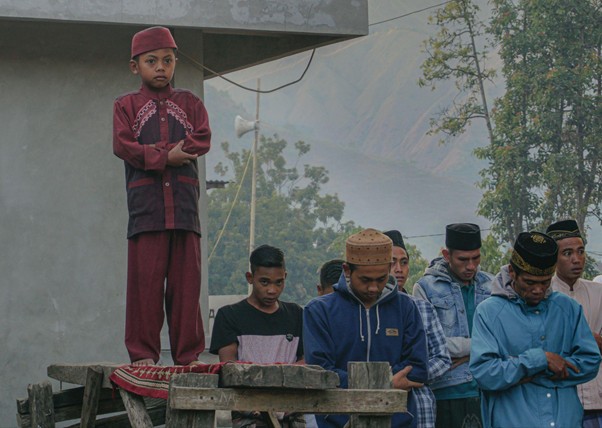
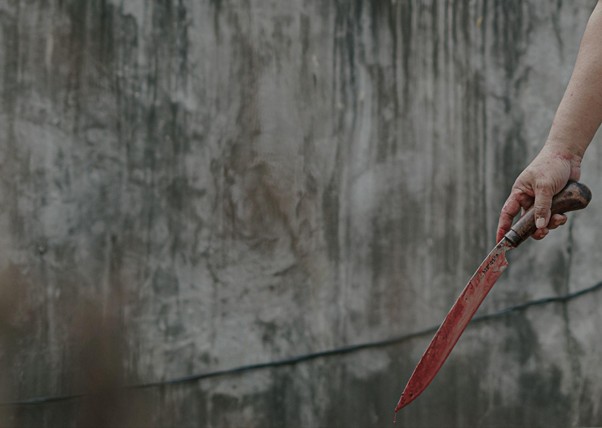
Tradition
The tradition of sacrifice is closely associated with the story of the family of Prophet Ibrahim (peace be upon him). It is said that this practice was also performed approximately 33 centuries earlier, during the time of Prophet Adam (peace be upon him) (by his two sons). Sacrifice may be the oldest ritual ever performed by humankind to this day and is repeated every year.
In terms of linguistic etymology, sacrifice (qarib–qaraba–yaqrabu–qurban wa qurbanan wa qurbanan) means “near.” The Abrahamic religions believe that the ritual of sacrifice signifies self-sacrifice, willingness, sincerity, patience, and offering—to draw closer to, as a proof of piety, and an expression of gratitude toward the Most Merciful God. The slaughter of healthy livestock (sheep, goats, camels, cows, or bulls) is the method of performing the sacrifice ritual—in the Islamic faith—which is recommended following the event of Prophet Ibrahim (peace be upon him).
But have you ever wondered, why? What was the significance of this sheep for Prophet Ibrahim (peace be upon him)?
The sheep replaced his son, who was initially to be sacrificed as an offering to God, as an act of obedience to His command. The blood and flesh of his beloved son, Prophet Ibrahim (peace be upon him), he offered to Him, along with all his worldly desires, and he entered the state of perfect surrender, Aslam (surrender, salvation, peace). However, just as Prophet Ibrahim (peace be upon him) was about to draw the knife across his son’s body, God instructed him to take the ram standing nearby as the sacrificial offering.
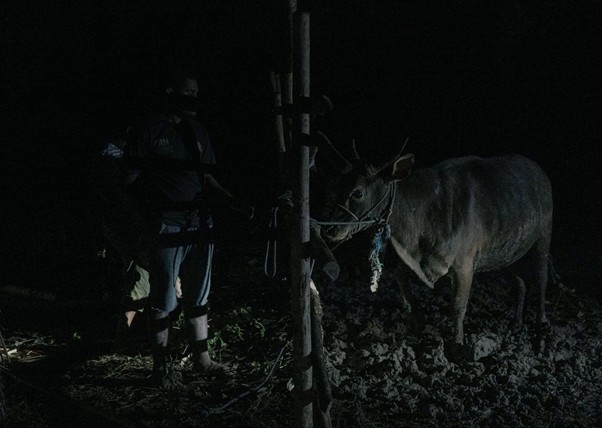
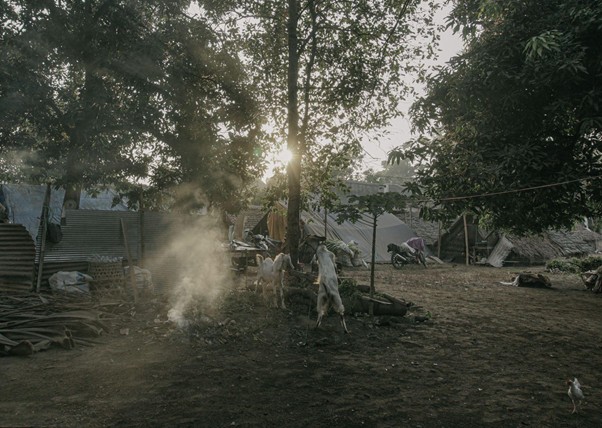
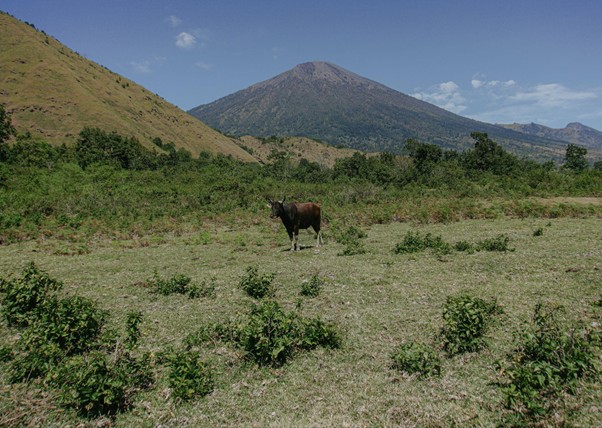
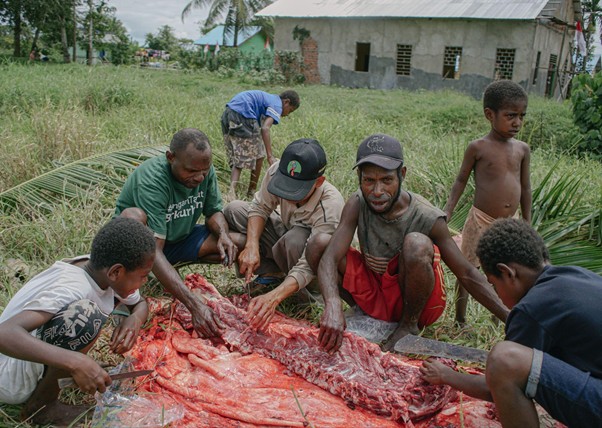
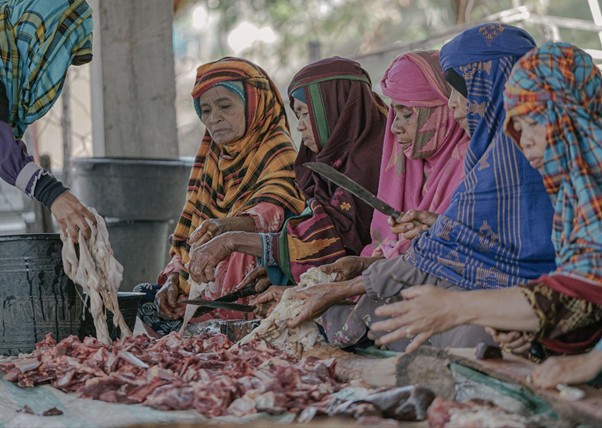
In Indonesia, the practice of qurbani is deeply rooted as a tradition within its cultural diversity. This ritual is also a significant moment during Eid al-Adha, celebrated every month of Zulhijah in the Hijri calendar. People raise livestock, slaughter them, butcher the meat, and distribute it to those who are entitled to it and in need. This makes qurbani a means of interaction between humanity and the Creator. Yes, in Indonesia, this practice also presents a challenge, particularly given the country’s archipelagic nature.
Eid al-Adha (the sacred sacrifice) has also been a spiritual experience for me, revealing the profound meaning of the sacrificial ritual—a process that unfolds from beginning to end, despite differences in place and time.
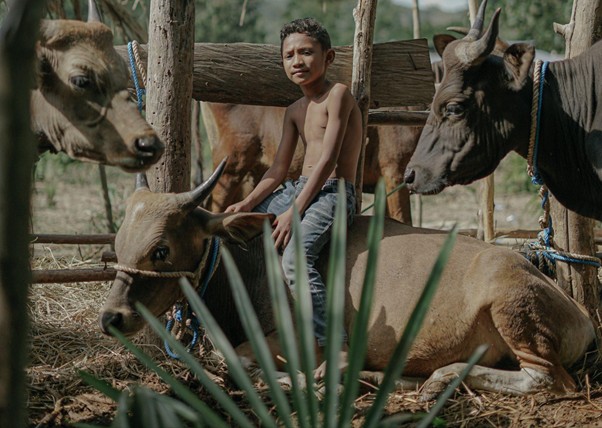
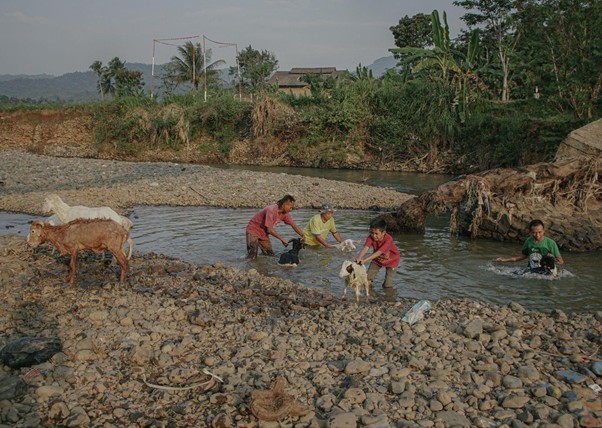
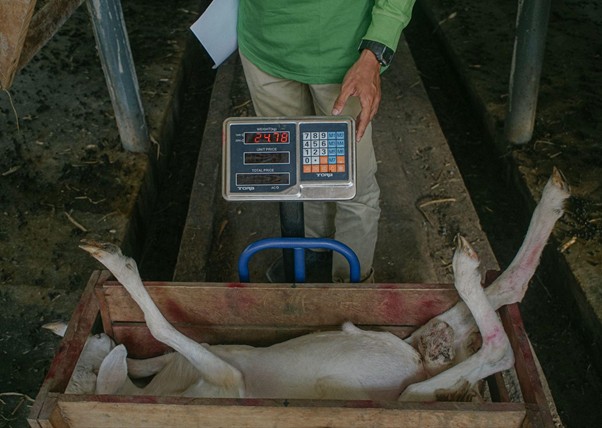
Give One, Get More
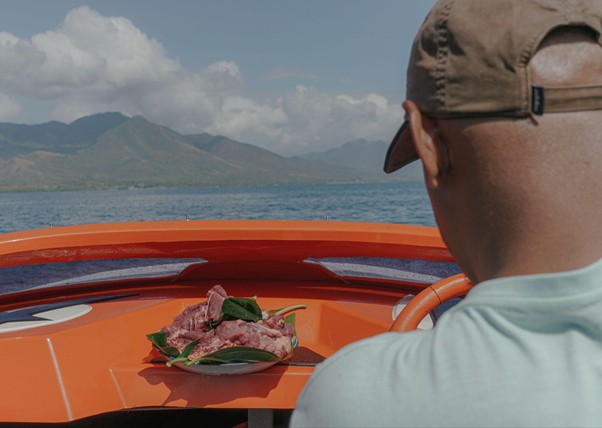
It never crossed my mind before that I would celebrate Eid al-Adha every year—since 2017—in various regions of Indonesia. Although I started with a well-thought-out travel plan, various unexpected experiences tended to arise: transportation issues in remote areas, sudden schedule changes, or traversing remote islands I had never even considered before.
Trek through challenging terrain and navigate the waters between islands in a small wooden boat, even performing the sacrifice deep in the interior without clean water, electricity, or internet signal. I found that I discovered something new. That this journey was more than just a ceremony or a transaction involving sacrificial animals.
However, there was a deeper meaning in every step. I felt a sense of relief when I finally arrived at my destination after a long journey, coupled with a warm welcome from local residents I had never met before. This experience also made me realize that the situation might be different in other regions.
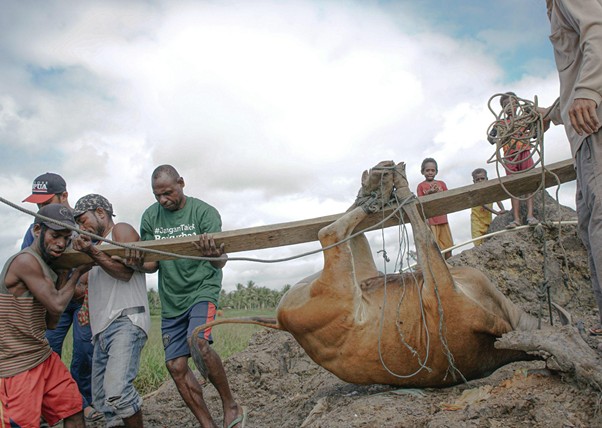
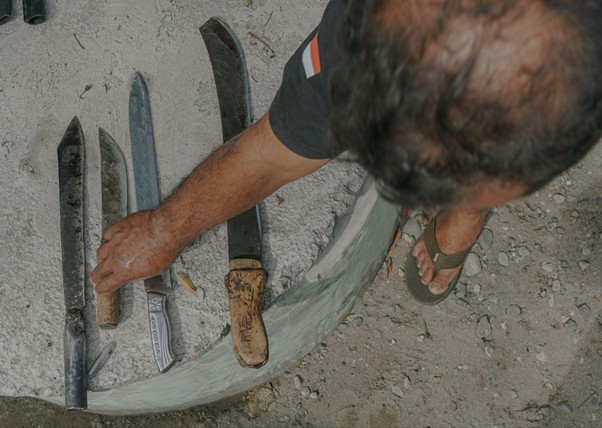
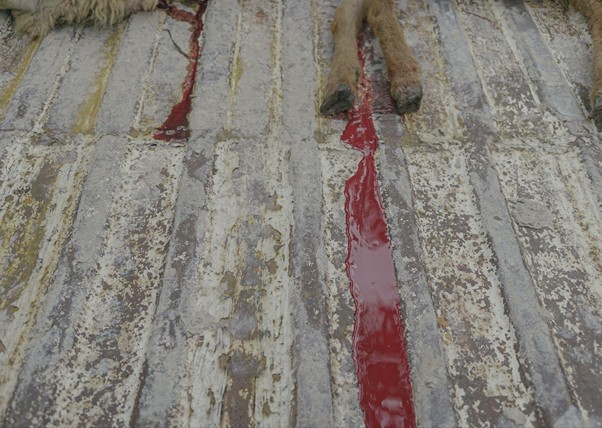
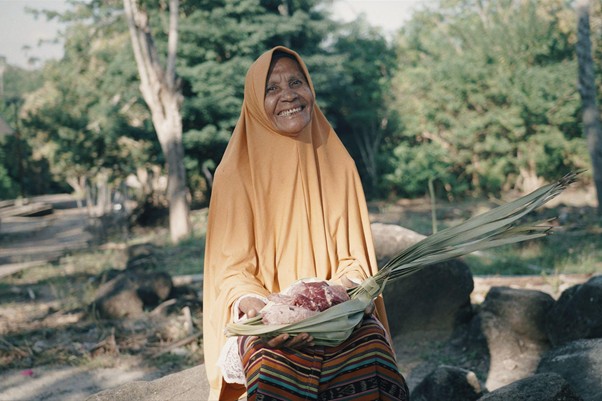
In big cities, conveniences are often readily available. Using food delivery apps has become the norm, just like daily meals. Many people can even afford to buy several sacrificial animals. In contrast, in remote rural areas, meat is generally consumed only once a year—during major celebrations—or people may not eat meat at all, even during Eid al-Adha. Tragically, I found some families who, day in and day out, eat nothing but rice and water.
Qurbani is not just about financial capability, but more about the sacrifice of what we have and what we offer. A vivid memory comes to mind when I was eager to perform Umrah (the lesser pilgrimage) in 2018, preparing for the journey to the Holy Land of Mecca.
I was eagerly looking forward to discussing it with my parents, seeking their approval and blessing for this intention and journey. Despite my initial enthusiasm, a sense of nervousness overwhelmed me during that meeting. I realized that they had previously planned to fulfill the obligation of the Hajj—as called for by Prophet Ibrahim (peace be upon him)—but had to postpone it due to various reasons.
I was nervous when I talked to my parents about this.
“Mom, get ready—God willing, you’ll be going on the Umrah next year,” I said.
My mom was surprised; she was sitting across from me in our 3×5-meter living room. Tears immediately streamed down her face as she expressed her gratitude and prayed for blessings, while gently stroking my head to show her emotions.
Yes, I immediately canceled my own plan to go on Umrah and chose to give that opportunity to my mom instead. However, with a heavy heart, I told my father.
“But, I’m sorry, Dad, my savings right now are only enough for one person,” I said.
Honestly, it was hard for me to understand what my parents were feeling at that moment.
A short time later, my uncle and aunt visited our home for a celebration of my aunt’s birthday, one month after my mom had registered for the Umrah.
“Brother,” my aunt said to my father.
“I’m not feeling well. Please go in my place and accompany his wife on the Umrah trip. Register him as soon as possible,” my aunt requested.
As an act of generosity and kindness, they suddenly offered to sponsor my father’s Umrah trip. Our whole family could only express our emotions through tears.
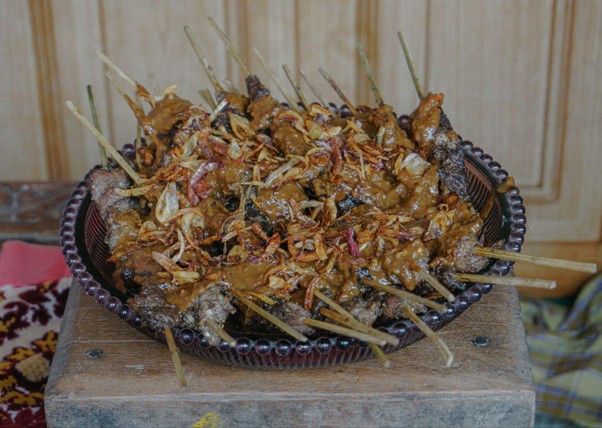
After that moment, every Eid al-Adha when I’m far from my family and video-chatting with my son, I find myself wondering: Should I be spending my precious time with other families instead of my own?
I also cannot imagine the situation of Prophet Ibrahim’s family when they received the command, discussed it, prepared to carry it out, and after the events of that moment of sacrifice, trial, and willingness unfolded. And since 2023—during my second pregnancy—the story of Prophet Ibrahim’s family has continued to resonate in my mind.
If sacrifice is the best means to draw us closer to the Almighty, perhaps sacrifice also perfects our worship, and humanity expands its benefits. Perfect the benefits of our qurbani through digital.dompetdhuafa.org/kurban. (Dompet Dhuafa)
Text and photos: Dhika Prabowo
Editor: Dedi Fadlil