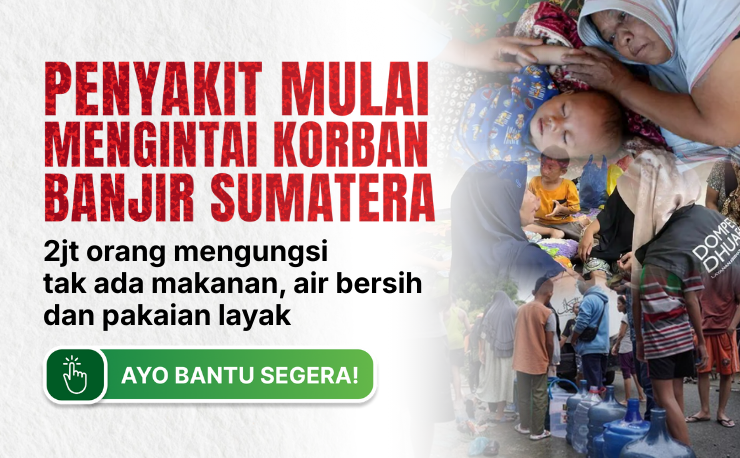


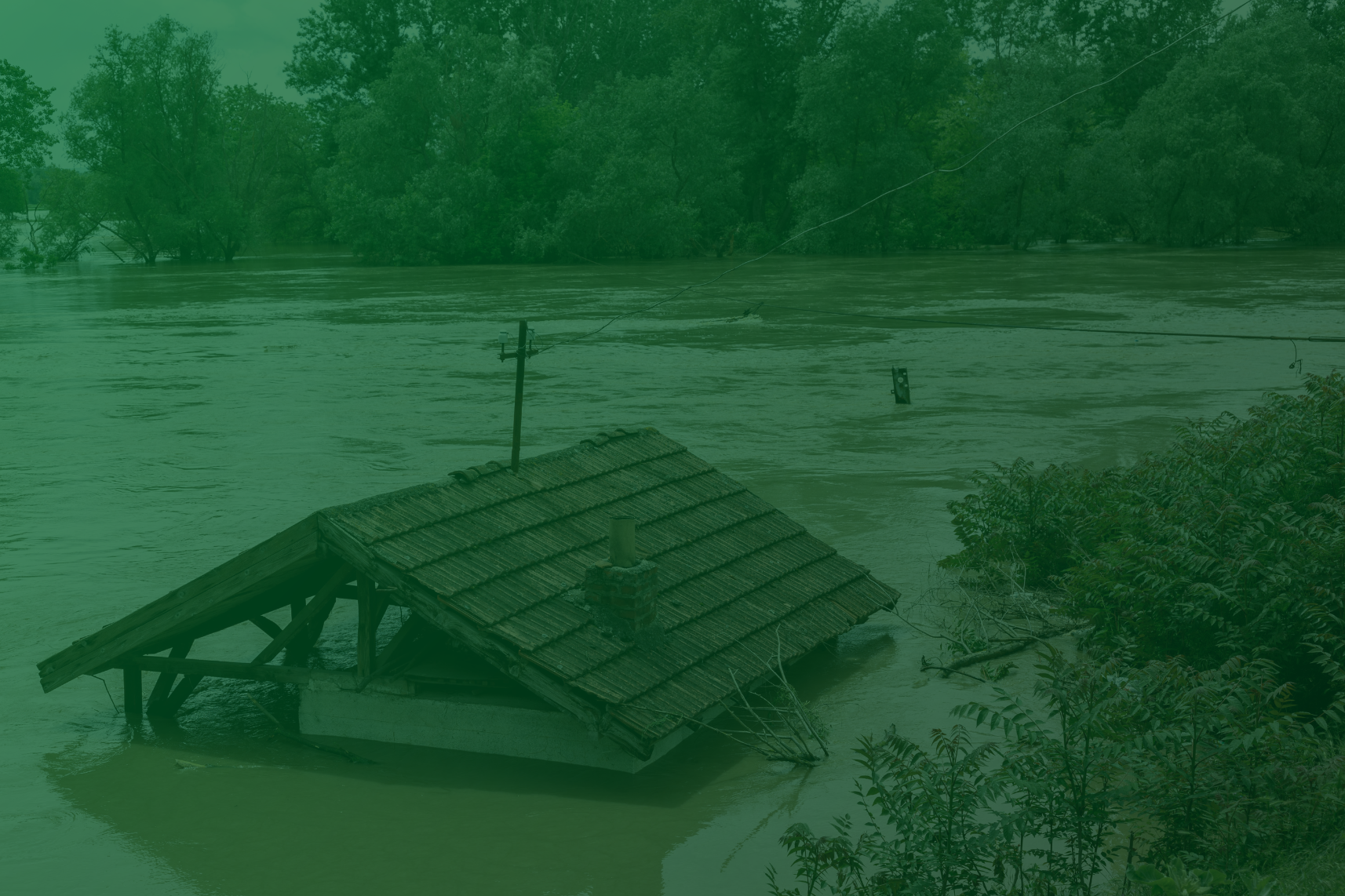
Victims of natural disasters often find themselves in very difficult circumstances. They lose their homes, livelihoods, and even family members. This situation raises the important question of whether victims of natural disasters are eligible to receive zakat.
In Islamic teachings, zakat is not only an individual act of worship, but also a form of social care aimed at alleviating the burden of those who are experiencing difficulties in life. Therefore, it is important for us to understand the position of disaster victims in the perspective of zakat recipients. This is part of our efforts to respond to humanitarian needs in a profound and meaningful way.
Read also: Zakat for Disasters Efforts to Reduce the Impact of Humanitarian Crises
The Position of Natural Disaster Victims as Mustahik
Natural disaster victims often experience drastic changes in their lives in a short period of time. Conditions that were previously stable suddenly disappear overnight. Homes, jobs, and livelihoods that have supported their daily lives can vanish in an instant. In situations like this, they are considered to be in urgent need and must be dealt with immediately. In Islam, people who fall into poverty due to an event can be referred to as al-gharimīn or temporary poor, meaning individuals who have lost the ability to meet their basic needs.
The Qur’an mentions eight categories of zakat recipients in Surah At-Taubah verse 60. Although the verse does not directly mention victims of natural disasters, scholars include them in the category of the needy (al-fuqarā’), those in debt (al-gharimīn), or those who have lost their livelihood (ibnu sabil). These three categories are relevant because disasters can deprive people of their ability to survive. Thus, victims of natural disasters can be considered eligible recipients of zakat when their condition has reached a point of incapacity.
Basically, Islam places zakat as an instrument of justice that ensures no individual or group is left alone in their difficulties. Some scholars see that victims of natural disasters can fall into one of the categories of zakat recipients if the calamity that befell them has caused them to lose their livelihood.
Read also: These are the 4 Causes of Natural Disasters According to the Qur’an
Victims of Natural Disasters Need Urgent Assistance
When a disaster strikes, victims need immediate assistance. The loss of their homes and possessions often leaves victims of natural disasters unable to survive without outside help. In such circumstances, zakat can be a first line of assistance to help them through the most critical period.
The principle of emergency or urgent need is the basis for why victims of natural disasters can be considered eligible to receive zakat. The Prophet Muhammad (peace be upon him) said, “And whoever provides a way out for a fellow Muslim from his life’s problems, Allah will provide a way out for him from the difficulties of the hereafter” (HR. Muslim).
This hadith encourages us to ensure that victims of natural disasters who have suffered misfortune are not left alone in their suffering. Therefore, helping them through zakat is in line with the values of ukhuwah (brotherhood) and social responsibility in Islam.
Urgent assistance for victims of natural disasters is not only in the form of food or clothing, but also in the form of restoring basic needs such as clean water, temporary shelter, and access to health care. Zakat can be managed to meet these needs as long as it follows the terms and conditions for the distribution of zakat. Thus, zakat can function as a social safety net when the community is in its most vulnerable phase due to a disaster.
Read also: Ulama Opinions on Income Zakat and Its Relevance Today
The Concept of Public Interest in the Distribution of Zakat to Natural Disaster Victims
To understand whether natural disaster victims are entitled to receive zakat, it is also necessary to look at it from the perspective of public interest. Islam strongly emphasizes that all forms of worship, including zakat, must bring benefits to life. In many cases, natural disasters create conditions that require immediate intervention. Therefore, contemporary scholars often associate the distribution of zakat to victims of natural disasters as part of fī sabīlillāh, a form of striving in the way of Allah, which is everything that brings good to society.
In Surah Al-Maidah verse 2 of the Quran, Allah commands humans to help one another in righteousness and piety. This verse provides a very strong moral foundation for Muslims to act quickly when they see their brothers and sisters in distress, including victims of natural disasters.
Distributing zakat to victims of natural disasters does not mean “creating new rules,” but rather applying the universal principle that Muslims are obliged to protect the lives and livelihoods of their fellow human beings. Rescuing those affected by calamities is an act that is in line with the values of rahmatan lil alamin taught by Islam.
Read also: The Virtues of Friday, an Auspicious Time for Prayer, Almsgiving, and Worship
Restoring the Lives of Disaster Victims After a Calamity
After the emergency response period has passed, disaster victims still face a long recovery phase. They must rebuild their lives from scratch: repairing their homes, restarting lost businesses, or finding new jobs. In such conditions, zakat can be a means of empowerment so that they can recover independently.
If disaster victims receive the right support through zakat funds, the process of recovering from the disaster can take place more quickly. Assistance in the form of business capital, simple housing repairs, or economic assistance can help them return to normal life. It is at this point that zakat fulfills its social function in its entirety: not only extinguishing the flames of hardship, but also rekindling the spirit of life.
Read also: In Times of Economic Uncertainty: How the Middle Class Can Survive with Peace of Mind
Increasing Social and Spiritual Awareness with Zakat
Allah says in Surah At-Taubah verse 103 of the Quran, “Take alms from their wealth (in order to) purify and cleanse them, and pray for them, for indeed your prayers are a source of tranquility for them. Allah is All-Hearing, All-Knowing.”
Helping victims of natural disasters through zakat is a means of enhancing spirituality and cultivating social awareness. The above verse shows that zakat is not only beneficial for the mustahik, but also for the muzakki, the person who pays zakat. Not only does it purify wealth, zakat also purifies the soul so that we can be more sensitive to social conditions. Distributing zakat to victims of natural disasters can foster a sense of empathy and concern.
Fulfill Your Obligations to Strengthen Them
Victims of natural disasters are among those who are entitled to receive zakat if the calamity that befell them has rendered them unable to meet their basic needs. They can be categorized as fakir, gharim, or ibnu sabil, depending on their circumstances. Distributing zakat to victims of natural disasters is also in line with the commands of the Quran and hadith to help one another and maintain the welfare of life.
Therefore, helping victims of natural disasters is part of faith. Zakat connects worship with humanity. The zakat funds distributed can be a ray of hope for those who are struggling to recover from disaster. May every good deed we do become a way for many of our brothers and sisters to regain their strength and peace of mind after their loss.