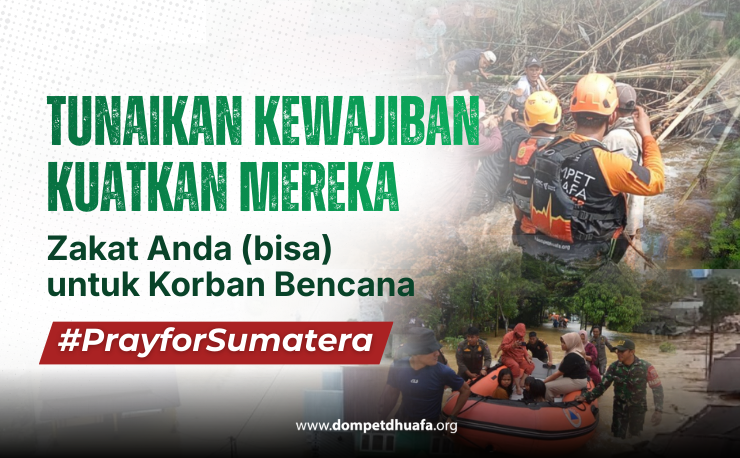


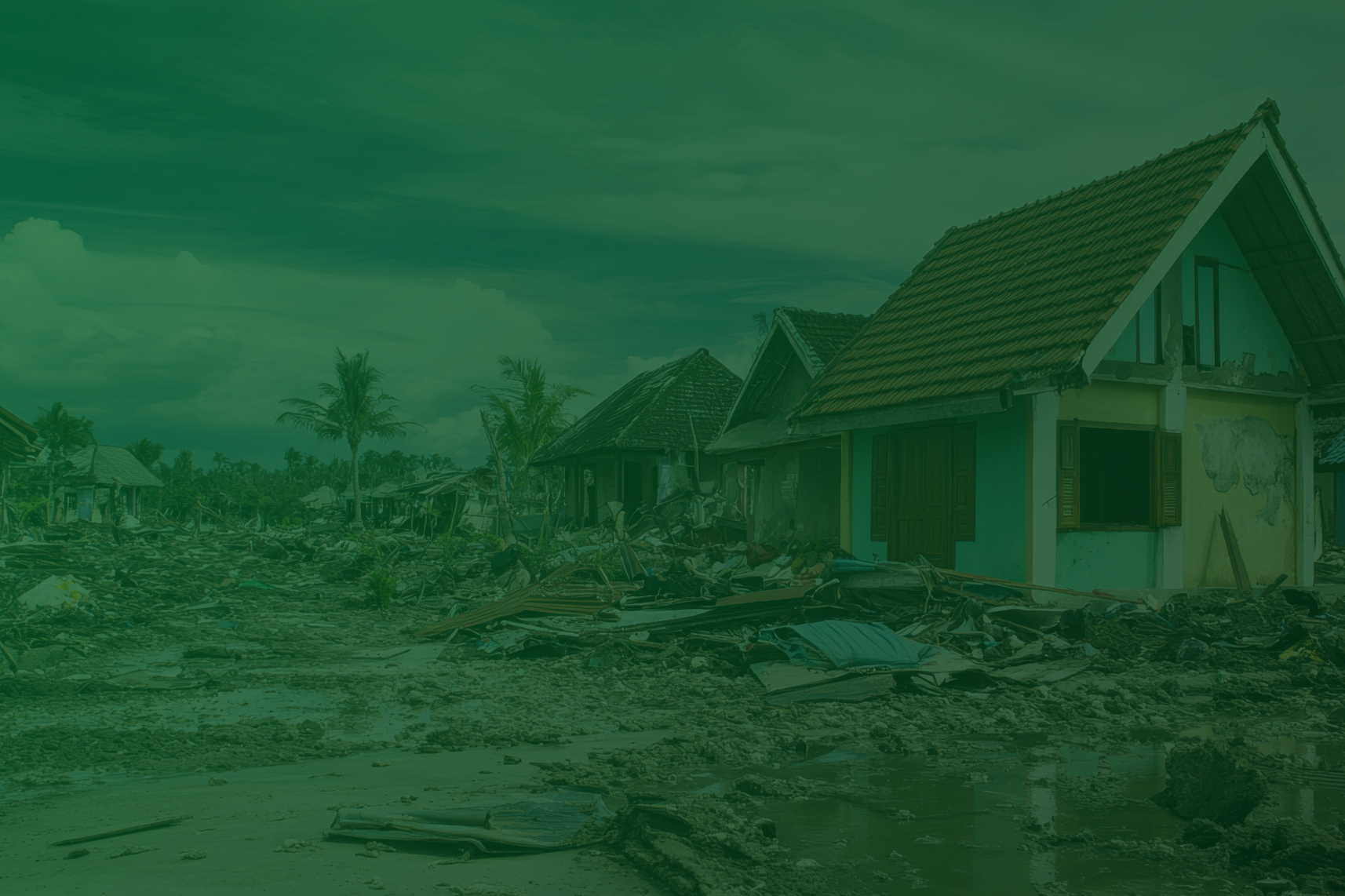
Zakat for disasters is one form of religious teaching that shows compassion. Zakat funds can have a real impact on victims during humanitarian crises. Crises such as emergencies, floods, earthquakes, social conflicts, and scarcity of basic necessities. The presence of zakat assistance that is fast, accurate, and trustworthy is greatly needed. Zakat plays an important role as a social instrument, as a solution to humanitarian problems in accordance with sharia guidance.
Laws on Zakat Management for Disasters
The management of zakat for emergency situations has a strong foundation in the Quran and hadith. Allah says in Surah At-Taubah verse 60 that among those who are entitled to receive zakat are the poor, those who fight in the way of Allah (fī sabīlillāh), and those who are traveling or in need of help (ibnu sabil).
Disaster victims experience extreme hardship. They lose their possessions, livelihoods, and loved ones. In the blink of an eye, they become poor, miserable, and unable to recover quickly. Disaster victims can also fall into the category of ibnu sabil, namely people who are traveling to save themselves but are in dire need of help.
Volunteers who carry out disaster mitigation can be categorized as fī sabīlillāh, people who fight in the way of Allah. They fight to save disaster victims, as a tangible manifestation of the religious command to help one another in goodness.
Read also: These are the 4 Causes of Natural Disasters According to the Qur’an
Zakat for Disasters as a Rapid Response in Emergency Situations
In emergency situations, zakat for disasters has the potential to be a quick response to help victims who are struggling to obtain basic necessities. Disasters can strike at any time and cause great losses. Disasters can cut off access to food, clean water, shelter, and health services. At times like this, zakat funds can be allocated to disaster victims.
Zakat is “obligatory” for every Muslim who has assets reaching the nisab and haul. The principle of this “obligatory” nature, if managed by a trusted and transparent institution, will have a stable and sustainable fund flow ecosystem. This ecosystem is relevant to emergency situations. When a disaster strikes, the need for assistance does not only arise on the first day, but continues throughout the recovery process. The use of zakat as emergency funds allows for continuous assistance. Thus, zakat can ease the burden on many families who have to start their lives from scratch after a disaster strikes.
Read also: Deliberately Not Paying Zakat? These are the Worldly and Hereafter Punishments
Strengthening the Chain of Social Solidarity Through Zakat
One of the greatest strengths of zakat for disasters lies in its ability to strengthen social solidarity. In Islamic teachings, helping others is a moral and spiritual obligation. In Surah Al-Maidah verse 2 of the Quran, Allah commands humans to help one another in righteousness and piety. This verse is a strong basis for us Muslims to be actively involved in various humanitarian actions, including providing assistance when disasters strike.
Building solidarity through zakat is not just about providing material assistance. We need to ensure that the assistance is targeted and truly beneficial in the long term. Zakat can be used to meet urgent needs such as food and medicine, while also supporting recovery through the provision of temporary housing, sanitation, and the revival of the community’s economy. With this role, zakat is not only a quick response, but also a preventive measure so that the impact of disasters does not linger.
Zakat as a Long-Term Investment in Caring
Zakat funds for disasters can be a long-term social investment. Providing assistance through zakat funds can help communities gradually rebuild their lives. In some cases, zakat administrators can also develop programs to restore livelihoods, such as business capital assistance, procurement of production tools, or local economic development. These programs are in line with the objectives of zakat, which are to help meet basic needs and raise the economic status of the community. When we use zakat funds to facilitate independence, the impact is not only immediate but also sustainable. This is what gives zakat a strategic role in overcoming the long-term effects of a disaster.
Read also: The Importance of Communication in Disaster Risk Reduction
Strengthening Faith and Compassion Through Zakat
Muzaki who pay zakat, when paying zakat for disasters, can also gain spiritual value for themselves. Distributing zakat funds to disaster victims can strengthen empathy, improve social relationships, and fulfill Allah’s commands.
Zakat can purify our wealth and souls, as Allah says in Surah At-Taubah verse 103 of the Quran, which reads, “Take zakat from their wealth (in order to purify) and cleanse them, and pray for them, for indeed your prayers are a source of tranquility for them. Allah is All-Hearing, All-Knowing.”
When we contribute to disaster relief through zakat, this contribution can foster a sense of gratitude for the blessings of safety that we have. The conditions of the disaster remind us that life is full of trials, and one way to get through them is by strengthening each other in goodness.
Read also: Dompet Dhuafa Sends 60 Tons of Humanitarian Aid to Disaster Survivors in Sumatra
Zakat for Disasters with Dompet Dhuafa
Zakat for disasters is not only a humanitarian solution, but also a tangible manifestation of Islamic teachings that emphasize the importance of balance between worship and social concern. Through the distribution of zakat that is trustworthy, targeted, and in accordance with sharia law, the community can make a significant contribution in reducing the impact of humanitarian crises. With the right steps, zakat can be a light of hope for those who are struggling to rebuild their lives.