


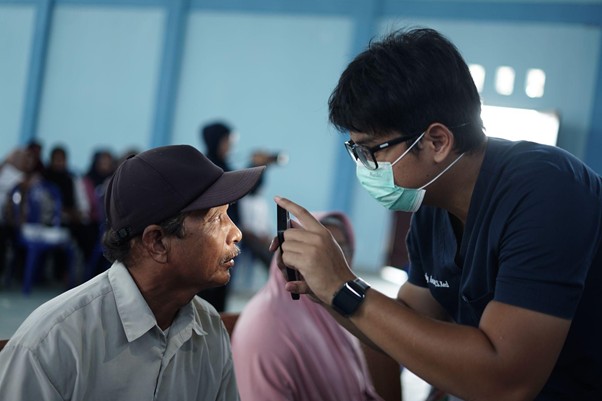
CENTRAL KALIMANTAN —-— Dompet Dhuafa, through its Free Health Service (LKC) program, which is now in its 24th year, continues to strengthen its efforts to improve public health services, especially in Indonesia’s 3T (underdeveloped, frontier, and outermost) regions. This commitment is realized through ongoing collaboration with PT Pagatan Usaha Makmur (PUM) in implementing the Healthy Zone Program as part of a comprehensive community health improvement strategy.
Following the successful implementation of the Healthy Zone Program in Subur Indah Village, Katingan Kuala Subdistrict, Katingan Regency, Central Kalimantan, LKC Dompet Dhuafa and PT PUM are once again implementing the Healthy Zone Program in two areas, namely Satiruk Village, Pulau Hanaut Subdistrict, East Kotawaringin Regency, and Jaya Makmur Village, Katingan Kuala Subdistrict, Katingan Regency.
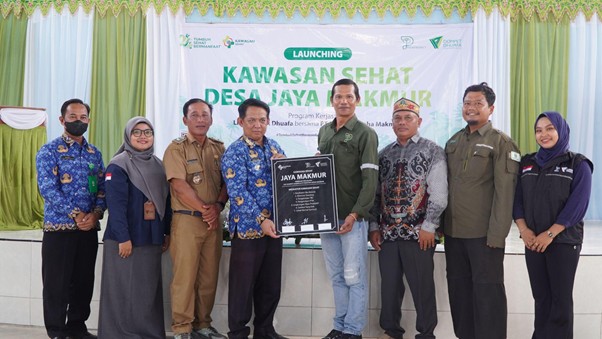
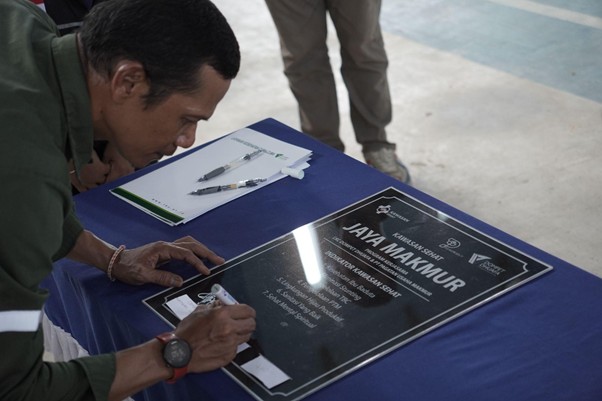
LKC Dompet Dhuafa officially launched the Healthy Area Program in Jaya Makmur Village on Monday (10/11/2025). The program began implementation in May 2025 and is planned to run until April 2026 as an effort to empower community health. The Healthy Area is a comprehensive initiative by LKC Dompet Dhuafa designed to build a healthy, independent, and empowered village environment through a participatory, promotive, and preventive approach.
On this occasion, Santi Yuniartiningsih, Coordinator of the Dompet Dhuafa Community Health Empowerment Program, explained that this program is carried out based on seven main indicators, including maternal and child health, stunting prevention, good sanitation, prevention and management of non-communicable diseases (NCDs), control of tuberculosis (TB) spread, productive green environment, and mental and spiritual health.
“Alhamdulillah, this collaborative program has been running for three years. Our hope is to improve the health of the community not only in terms of service, but also in terms of the community’s knowledge. So, we focus more on education. However, our goal is the same, which is to improve the health of the Indonesian people,” said Santi.
Read also: Healthy Area for the People of Pejagalan Village, Jakarta
Central Kalimantan is one of the provinces in Indonesia that still requires attention in terms of health, especially in the areas of sanitation, non-communicable diseases, and the nutritional status of mothers and children. Based on data from the 2023 Indonesian Health Survey (SKI), 31.6% of the population in Central Kalimantan Province still cannot manage household waste properly, and 88.3% of the population still defecates in the open (not in toilets).
One of the areas that contributes significantly to the average prevalence of health cases, especially for toddler health, in Central Kalimantan is Katingan District. Jaya Makmur Village, a village in Katingan District, requires the use of a klotok or long boat to reach Jaya Makmur Village, with a travel time of 4-5 hours.
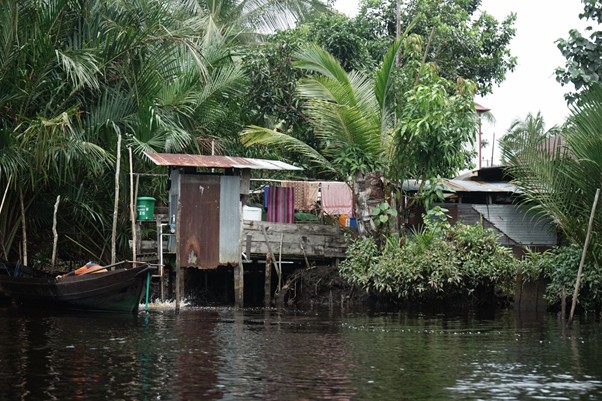
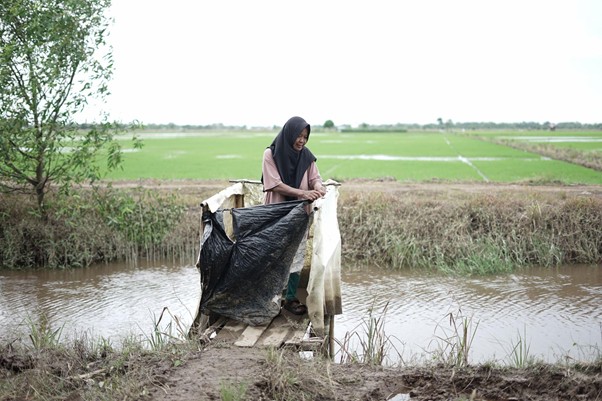
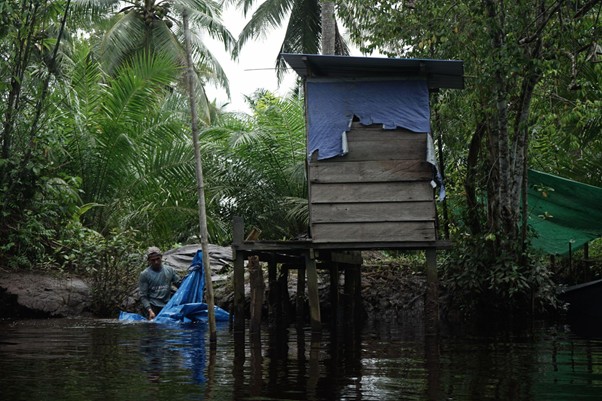
Jaya Makmur Village and Satiruk Village were chosen as program locations because they still face basic sanitation issues. Some residents do not have proper toilets and still defecate indiscriminately on the riverbanks. These rivers play a vital role in the lives of residents, not only as transportation routes, but also as sources of livelihood, irrigation for rice fields, and fulfillment of daily needs.
This situation is exacerbated by the location of the area in Central Kalimantan, which has relatively low rainfall, resulting in limited availability of clean water. Efforts to meet water needs through boreholes have been made, but not all locations have water quality suitable for consumption.
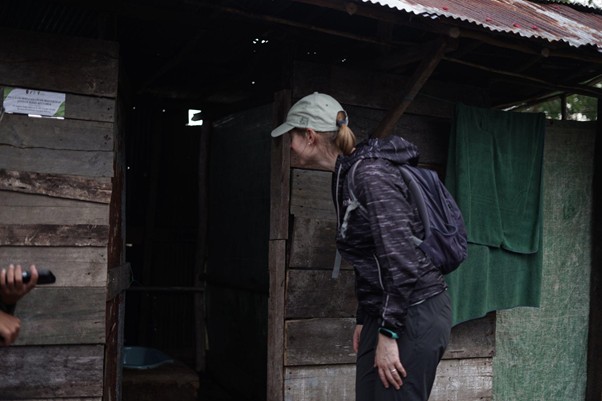
Based on this situation, the Healthy Toilet Program became the main focus of intervention, as a step to encourage behavioral change in the community to stop the practice of open defecation in order to protect water sources, which are the mainstay of life.
N. Yearda Sirait, Concession Group Manager of PT PUM, said that this program was born from a shared vision to improve the quality of health of communities in remote areas.
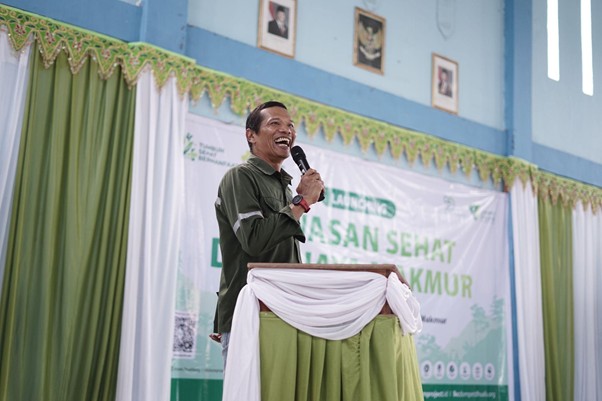
“Our hope is to improve human resources. That is why we are working with Dompet Dhuafa to raise awareness about health, and then we will create programs for everyone from toddlers to the elderly, not only for the people themselves, but also for their surrounding environment,” he said.
Sulrahmi, as the Healthy Area Facilitator for Jaya Makmur Village, revealed that positive changes began to appear within four months of assistance. The Healthy Area program began in May with a focus on maternal and child health indicators and stunting elimination. Interventions were directed at preventing maternal and infant mortality and reducing stunting through increased exclusive breastfeeding coverage.
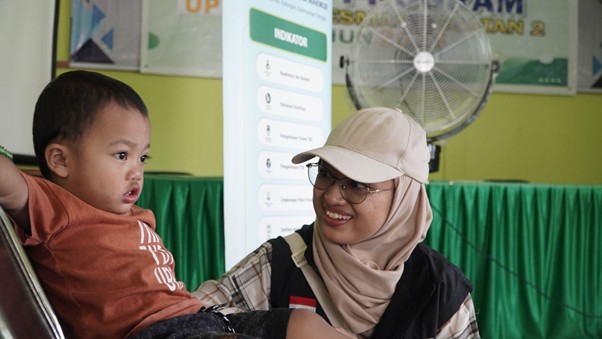
In Jaya Makmur Village itself, a number of activities have been carried out, including the provision of supplementary food (PMT) for around 150 infants and toddlers through the integrated health service post (posyandu), visits to postpartum mothers accompanied by nutrition packages for five beneficiaries, and the implementation of a Pregnant Women’s Class attended by 13 participants. Monitoring results show that cases of Chronic Energy Deficiency (CED) and anemia in pregnant women have been reduced to zero, indicating the positive impact of the program on the community.
Assistance was also expanded through Toddler Mother Classes, which provided health education to 24 mothers, as well as the provision of nutrition packages for 48 malnourished infants and toddlers, who showed an increase in weight and height.
Read also:Dompet Dhuafa Holds Training for Nutrition Post Facilitators, Healthy Areas, and Madaya Areas
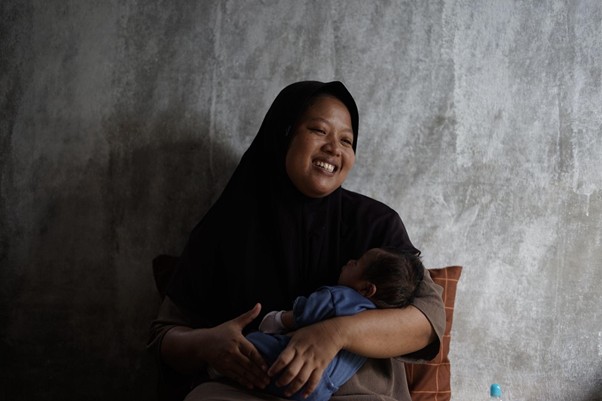
To reinforce the understanding that stunting is influenced by many factors, a cooking demonstration on nutritious food preparation was also held, attended by 12 mothers. In terms of sanitation, the program encouraged behavioral change from open defecation to Stop Open Defecation through education for 74 residents and the provision of stimulus materials for the construction of healthy toilets to 26 beneficiaries. Meanwhile, in the management of non-communicable diseases (NCDs), activities such as health posts, healthy exercises, and education on healthy lifestyles have reached 197 beneficiaries.
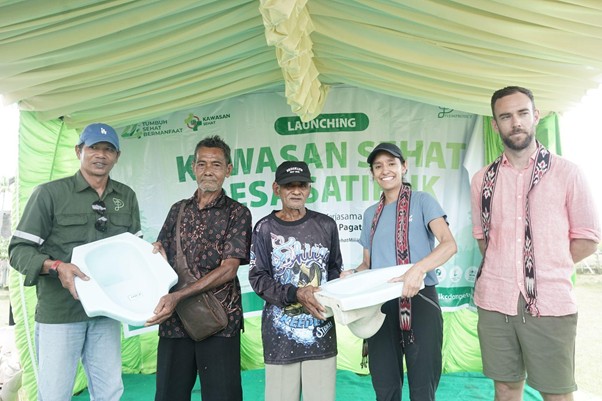
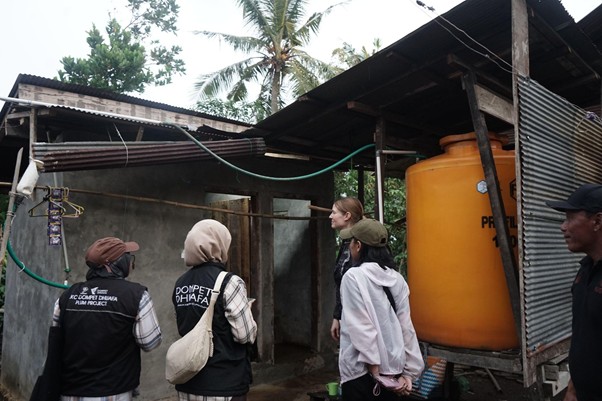
In addition, the Healthy Area Program in Satiruk Village was symbolically launched by providing healthy toilet materials to the community on Thursday (11/13/2025). The event was attended by the Head of Hanaut Island Subdistrict and representatives from the East Kotawaringin Regency Health Office. The launch also marked the involvement of other collaborative partners, one of which was First Climate, which provided support for the implementation of the Healthy Area Program in the region.
It is hoped that the impact of changes in community sanitation patterns will include a shift from open defecation to stopping open defecation, the ability to sort household waste, the management of non-communicable diseases, the monitoring of the health of pregnant women and infants, the provision of assistance for the treatment of tuberculosis patients, and the growth of community awareness of the importance of planting and maintaining air quality in healthy areas.
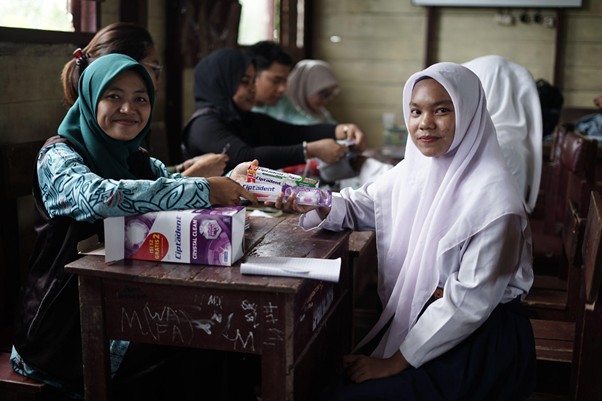
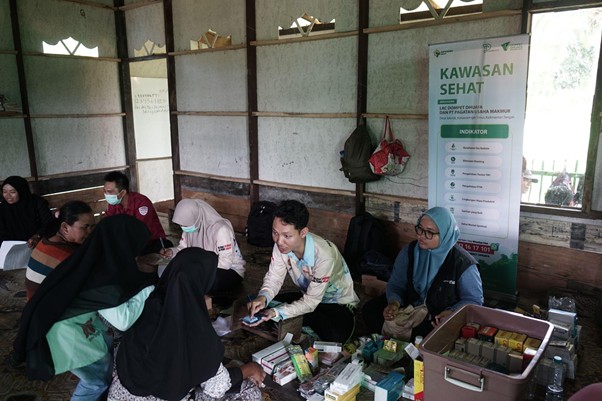
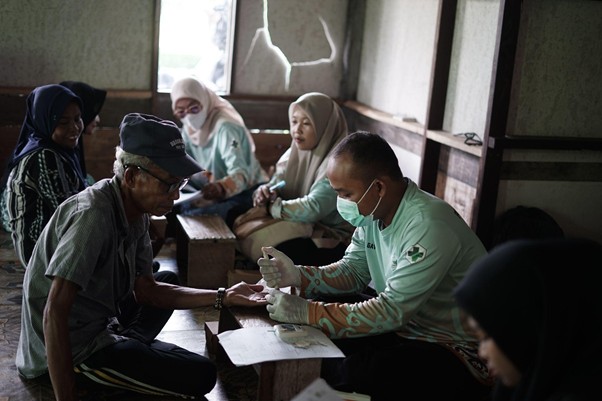
Through an empowerment approach that focuses on raising awareness and active community participation, Healthy Areas are expected to become a sustainable disease prevention effort, while also expanding access to equitable health services for remote communities and vulnerable groups in various regions of Indonesia. (Dompet Dhuafa)
Text: Anndini
Photo: Anndini, LKC Dompet Dhuafa
Editor: Dhika