


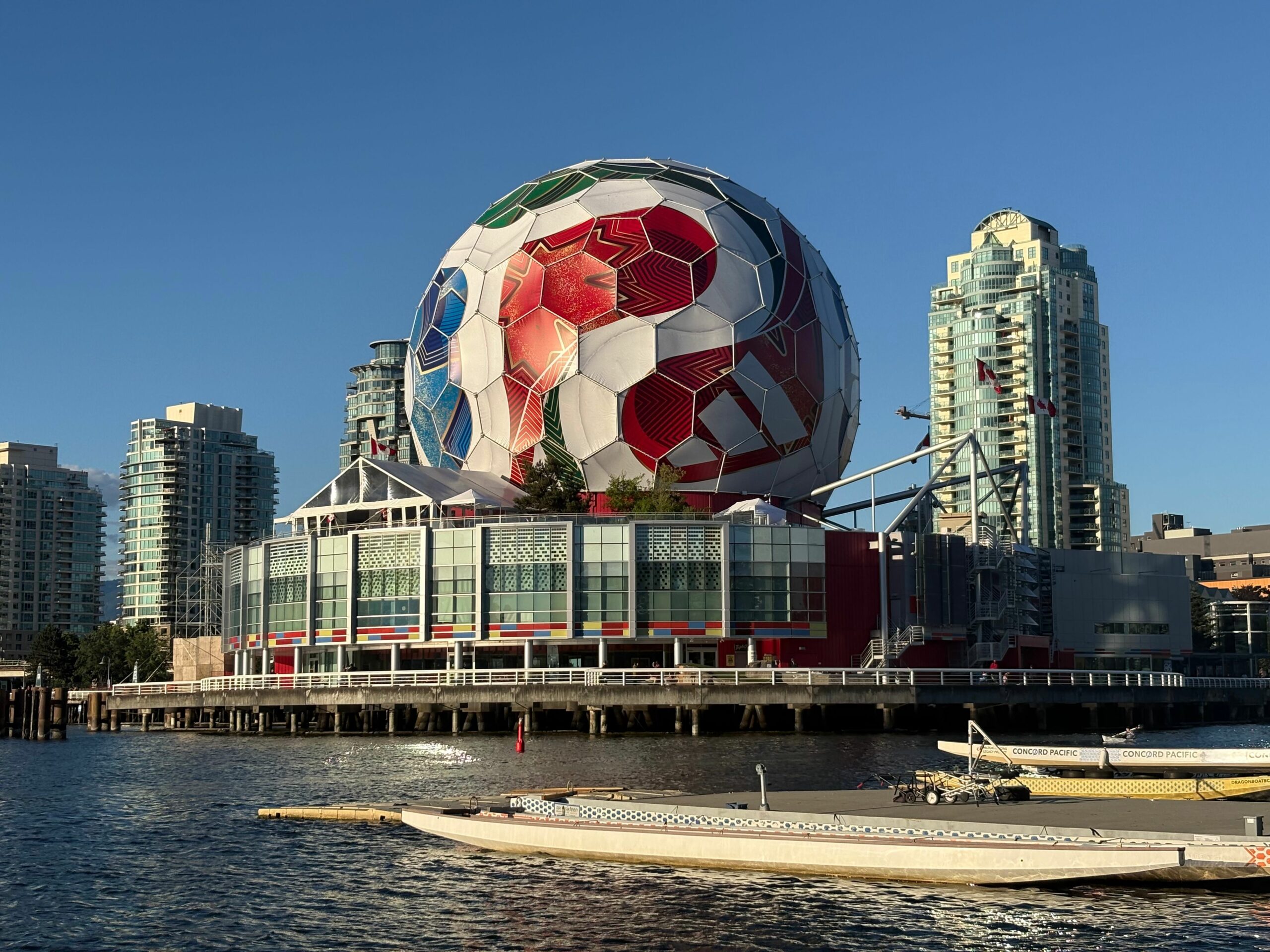
The 2026 World Cup is currently the focus of attention for millions of football fans around the world. Behind the spectacular goals and victory celebrations that grace our television screens, there is another side to the tournament that rarely comes under the spotlight.
The global football industry not only generates achievements and popularity, but also generates a massive economic turnover. From tournament prize money, match bonuses and sponsorship deals to professional players’ salaries, all of these demonstrate the immense economic value at play behind a sporting competition.
In the context of professional athletes, Islamic scholars have also explained that income which has reached the nisab threshold and meets certain criteria is subject to zakat. This concept is known as zakat on income or zakat on professional earnings, which is one form of social responsibility in Islam.
Wealth That Grows Through Sharing
Amidst the glitz and glamour of the world of football, there are various stories that show how wealth can be a means of helping others.
One example widely reported by the international media is Hakim Ziyech. The Moroccan international is known for frequently donating the bonuses he receives from the national team to help those in need in his country. Meanwhile, the Senegalese footballer, Sadio Mané, uses part of his earnings to build hospitals, schools and various public facilities in his hometown, Bambali.
Regardless of whether the amount given is large or small, these stories show that wealth can be a means of bringing about wider benefits. What a person possesses is not only for their own enjoyment, but also a way to help those in need.
This value is in line with the Islamic teachings on charity.
“The parable of those who spend their wealth in the way of Allah is like a grain of corn which grows seven ears, in each ear a hundred grains. Allah multiplies [the reward] for whom He wills.”
(Quran 2:261)
The verse above reminds us that wealth spent for good causes will not diminish in value in the sight of Allah the Almighty. On the contrary, charity is one of the ways to bring blessings into one’s life.
And the spirit of sharing can be practised by anyone according to their individual means. For in Islam, what matters most is not the amount, but the sincerity and the benefit it brings.
World Cup Euphoria as a Momentum for Goodness
The World Cup teaches us about hard work, discipline and the spirit of competition. Every team strives to give their best to secure victory and bring home the coveted trophy.
However, for a Muslim, there is another race that is no less important: the race to do good (fastabiqul khairat). The drive to be the best is not only realised in worldly matters but also in efforts to help others and bring benefit to the surrounding community.
The momentum of the 2026 World Cup can serve as a reminder that true success is not measured solely by material achievements, but also by the extent of the benefit one can bring to others. Whilst some compete to score goals on the pitch, every Muslim also has the opportunity to score ‘goals of goodness’ through zakat, infak, sadaqah and waqf.
From bonuses running into the billions to the sustenance that Allah has entrusted to each of His servants, all can become a source of goodness if utilised to help others. Let us use the spirit of this year’s World Cup as an opportunity to increase our righteous deeds and bring hope to those in need through Charity for Orphans: Striving to Emulate the Prophet Muhammad (peace be upon him).
For true victory is not merely about what we manage to achieve, but also about the benefits we can leave behind for others. (Dompet Dhuafa)
Author: Nurul
Editor: Dhika