


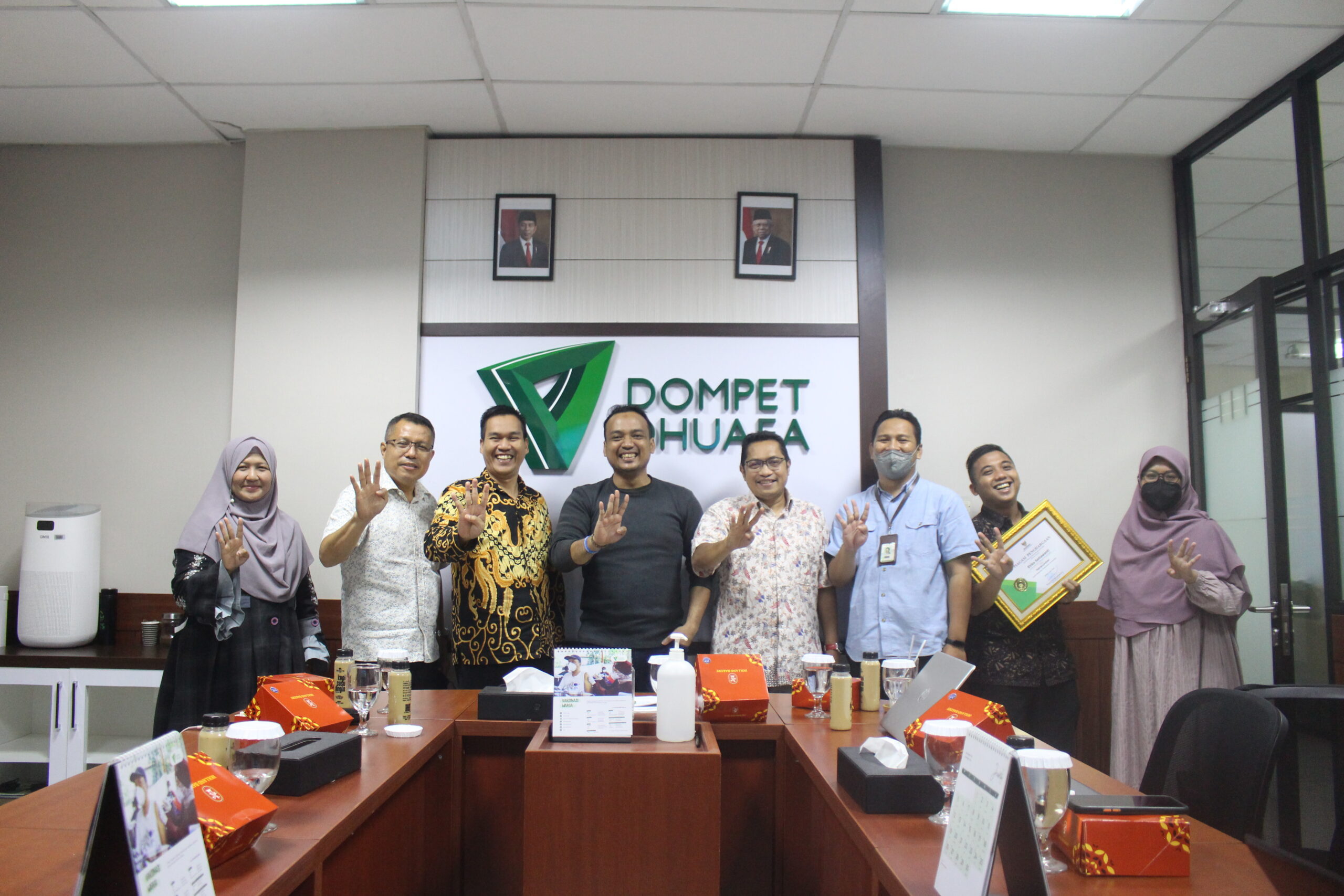
JAKARTA —— Zakat is one of the obligations for Muslims who are able and in accordance with Islamic law. Zakat is a religious institution that aims to promote justice, welfare, and poverty alleviation in society. Concrete efforts to raise awareness of zakat management in accordance with Islamic law and regulations are carried out through socialization.
Held at the Philanthropy Building Dompet Dhuafa, Pasar Minggu, South Jakarta, the National Zakat Agency (BAZNAS) board visited and held a gathering last Thursday (June 16, 2022). One of the objectives was to socialize the law, which has been slightly adjusted by the new BAZNAS leadership, and to coordinate as a zakat management institution.
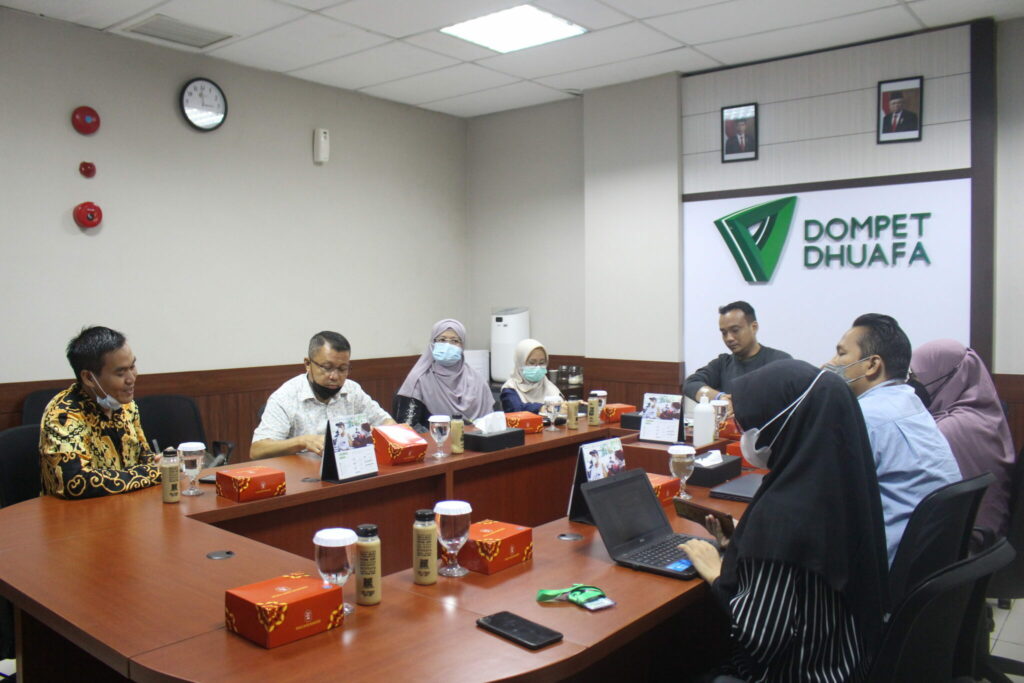
Currently, there are many LAZs that have not yet obtained permits. The problem lies not with the LAZs but with the BAZNAS leaders in various provinces who have created requirements that are not standardized with the central office due to a lack of literacy and retired administrators. Therefore, BAZNAS is conducting training for LAZs in the provinces because there are still LAZs that do not understand distribution and utilization by conducting socialization on strengthening zakat.
“BAZNAS is mandated by law that every representative of the Zakat Management Institution (LAZ) must submit their reports to the central LAZ, with copies sent to the provincial BAZNAS or the provincial office. Dompet Dhuafa already has 29 branch offices in various provinces, and I am confident and believe that all of them are licensed. I would also like to express my appreciation to Dompet Dhuafa for its regular and timely zakat reporting as motivation for other LAZs,” explained Mohamad Basit Karim, Head of Coordination at BAZNAS and Laz.
BAZNAS has a Mustahik Information System, which is a database of registered mustahiks. The data on mustahiks is uploaded and sent to PUSKAS for verification. PUSKAS also verifies the data before collecting it and coordinates with the Ministry of Social Affairs to confirm that the names listed are indeed those of poor people. NIK data collection requires queuing and is quite lengthy at PUSKAS, with a target of approximately 22 million NIM registrations for 2022. Regarding beneficiaries, it depends on the program being implemented and who the beneficiaries are.
“The SOP for each mustahik (beneficiary) is that they must report their personal data to BAZNAS and the Ministry of Religious Affairs to be recorded in the beneficiary database and then match the data with the ministry as data on poor people. This has not yet become an issue among our friends at Zakat. BAZNAS needs to include information from the mustahik concerned because if not, it could violate the regulations itself. It is also necessary to pioneer poverty figures from the perspective of BAZNAS, the Ministry of Social Affairs, and BPS so that they can be used as a reference for other LAZs in terms of reporting, distribution, and administration. This is because there are still many mustahik who need to be helped, such as ABK (ship crew), laborers, TKI and TKW, honorary teachers, and prisoners, but the fatwa has not yet been issued. Therefore, it is necessary to create guidelines to serve as a reference for other LAZs and to increase the number of zakat recipients and beneficiaries, as well as to clarify the parameters for Asnaf.” added Arif R. Haryono, General Manager of Advocacy and Strategic Alliances at Dompet Dhuafa. (Dompet Dhuafa / Sarra)