


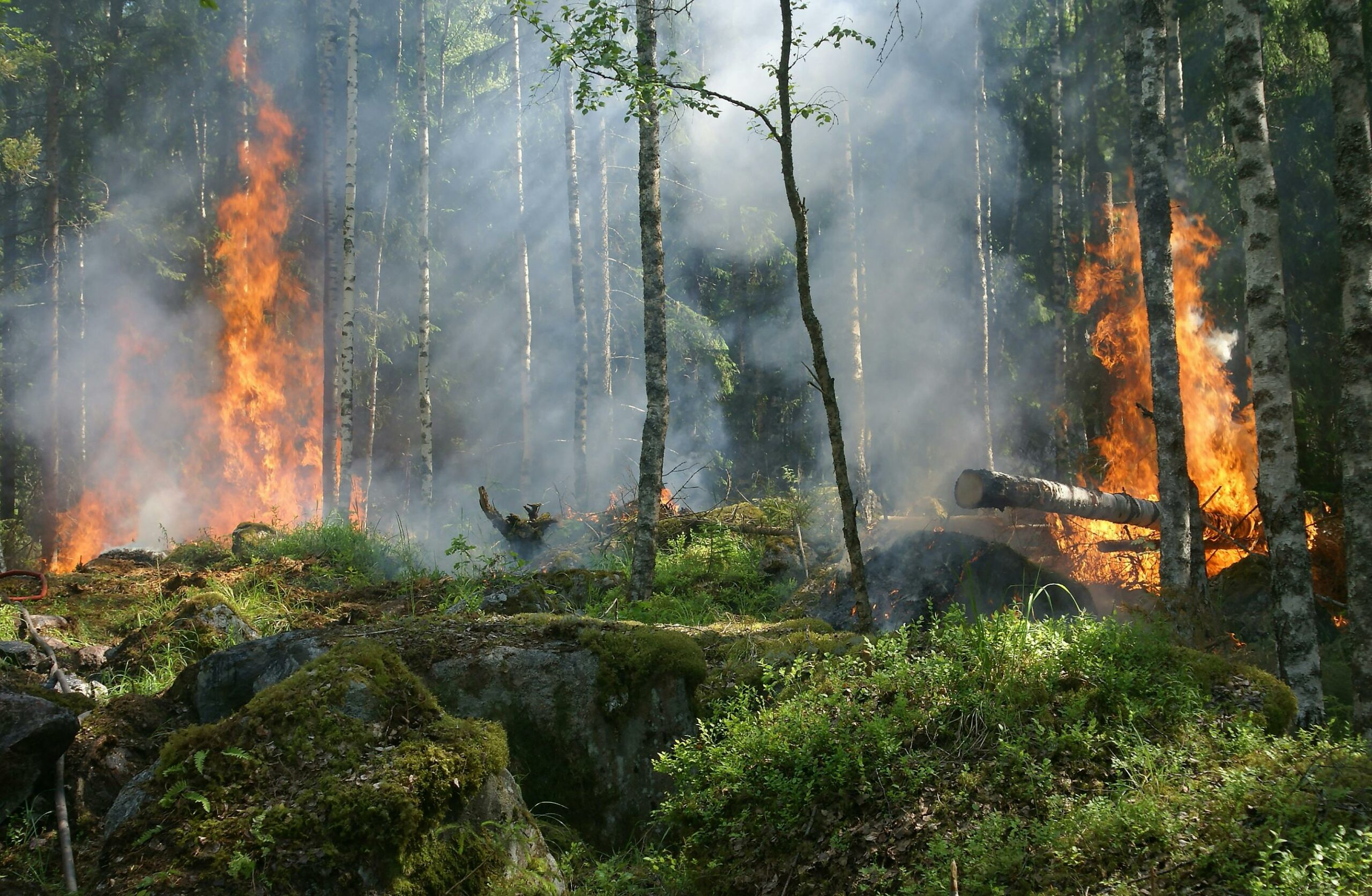
Just like maintaining prayer and zakat, protecting nature is also part of a Muslim’s responsibility. In Islam, the universe is part of Allah’s creation that we must care for, protect, and preserve. In today’s modern life, environmental damage has become a major issue that affects the entire community. Excessive exploitation of the environment, pollution, and damage to ecosystems are contrary to Islamic teachings, which emphasize the importance of maintaining balance and sustainability in nature as part of humanity’s responsibility. Friends, would you like to know how Islam views caring for nature and what you can do to preserve it? Let’s find out!
- Nature as a Trust from Allah
In the Qur’an, Allah repeatedly reminds humans not to cause destruction on earth. One of the verses that emphasizes this is:
“And do not cause corruption on the earth after (Allah) has repaired it…”
(QS. Al-A’raf: 56)
Islam views the entire universe in the heavens and on earth as the beautiful creation of Allah SWT. In the Qur’an, **/********humans are referred to as khalifah fil ardh (leaders on earth), which means that every human being has a responsibility to protect nature, not destroy it.
“Indeed, We have made man as a khalifah on earth…”
(QS. Al-Baqarah: 30)
Read also: Islamic Teachings on Love, Peace, and Building Harmony in Life
The implementation of trust is found in Islamic teachings that encourage the sustainable use of resources, such as:
● Not wasting water, because the Prophet Muhammad SAW taught to use water sparingly, even when performing ablution.
● Planting trees and protecting the environment, because in the hadith it is mentioned that planting trees is a charitable deed that continues to provide benefits.
مَنْ بَنَى بُنْيَانًا فِى غَيْرِ ظُلْمٍ وَلَا اعْتِدَاءٍ أَوْ غَرَسَ غَرْسًا فِى غَيْرِ ظُلْمٍ وَلَا اعْتِدَاءٍ كَانَ لَهُ أَجْرٌ جَارِيًا مَا انْتَفَعَ بِهِ مِنْ خَلْقِ الرَّحْمَنِ عَزَّ وَ جَلَّ
“Whoever builds a building or plants a tree without injustice and transgression, it will be a reward that flows as long as it benefits the creatures of Allah, the Most Merciful.”
(HR. Ahmad, no. 4739)
● Avoid destructive behavior, including environmental pollution and excessive exploitation of nature.
Amanah is not just a status, but an obligation to use natural resources wisely, preserve the ecosystem, and not be reckless with nature. However, in reality, many people are not yet aware of their respective duties and responsibilities. Awareness of this great responsibility is only present in those who are faithful and rational.

- Islam Prohibits All Forms of Destruction (Fasad)
Destruction of nature is an act that goes against Allah’s will. Destruction can take the form of pollution, excessive exploitation, or actions that cause an imbalance in the ecosystem. In the Qur’an, Allah emphasizes that the destruction that occurs on land and in the sea is the result of human actions.
Read also: Thirty Days Off Wasted: An Environmentally Conscious Campaign in the Month of Ramadan
- Islam Prohibits All Forms of Destruction (Fasad)
Destruction of nature is an act that goes against Allah’s will. Destruction can take the form of pollution, excessive exploitation, or actions that cause an imbalance in the ecosystem. In the Qur’an, Allah emphasizes that the destruction that occurs on land and in the sea is the result of human actions.
Read also: Thirty Days Off Wasted: An Environmental Awareness Campaign During Ramadan
“Corruption has appeared on land and sea because of what the hands of men have wrought, that Allah may make them taste a part of that which they have done, so that they may return (to the right path).”
(QS. Ar-Rum: 41)
From an Islamic perspective, destroying nature is a form of denying Allah SWT’s mandate. The principle of justice in the distribution of resources is also important, as is the prohibition of oppressing others.
As Muslims, we are encouraged to play an active role in efforts to protect the environment and social welfare, whether through a sustainable lifestyle, the proper use of resources, or participation in conservation efforts. Understanding the prohibition against causing destruction means being able to carry out our responsibilities as caliphs with awareness and concern.
- Preserving Nature is Part of Worship
Preserving nature is not merely an ecological obligation, but also part of worship. This concept is rooted in the teaching that humans are caliphs on earth, responsible for caring for and preserving Allah SWT’s creation.
In Islam, actions that benefit other living creatures are rewarded. The Prophet Muhammad SAW said:
“No Muslim plants a tree or a plant, then it is eaten by birds, humans, or animals, except that it becomes charity for him.”
(HR. Bukhari & Muslim)
Planting trees, keeping the environment clean, and avoiding destruction of nature are tangible forms of sustainable worship. In fact, in another hadith, the Prophet Muhammad (peace be upon him) encouraged caring for the earth by planting:
إن قَامَتِ السَّاعَةُ وَفِي يَدِ أَحَدِكُمْ فَسِيلَةٌ فَإِنِ اسْتَطَاعَ أَنْ لَا تَقُومَ حَتَّى يَغْرِسَهَا فَلْيَغْرِسْهَا
“If the Day of Judgment comes while one of you has a seedling in his hand, then if he is able to plant it before the Day of Judgment comes, then let him plant it.”
(HR. Bukhari and Ahmad)
By protecting nature, we not only fulfill our mandate as caliphs, but every small step in protecting the environment becomes a field of sustainable rewards and a contribution to the welfare of future generations. (Diandra/Syafira)