


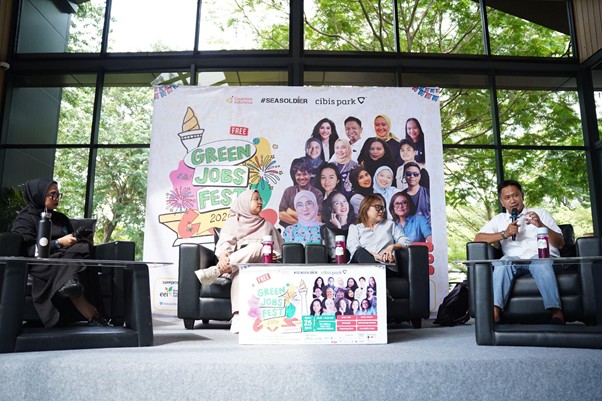
JAKARTA —-— The Eid al-Adha sacrifice can be part of the solution to the climate crisis. This was highlighted by Dompet Dhuafa, which reaffirmed its commitment to supporting the transition to a sustainable economy through its participation in the “Green Jobs Fest 2026” event at Cibis Park, South Jakarta, on Saturday (April 25, 2026).
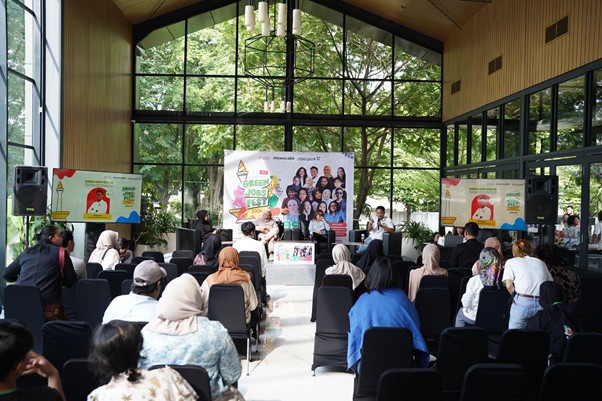
During the second session of the Green Talks talk show, themed “The Human Side of Transition: Bridging the Social Sciences into a Sustainable Work Ecosystem” and moderated by Fitrianti Sofyan, Ali Bastoni, Chair of Dompet Dhuafa’s 2026 Qurbani Program, shared an interesting perspective on how the Qurbani Animal Distribution Program (THK) is now operating within the framework of a sustainable economy.
“At Dompet Dhuafa, we view qurbani as a complex economic cycle. In the context of the green economy, there are nutritional, spiritual, and even waste management aspects whose ecological impacts must be considered,” said Ali.
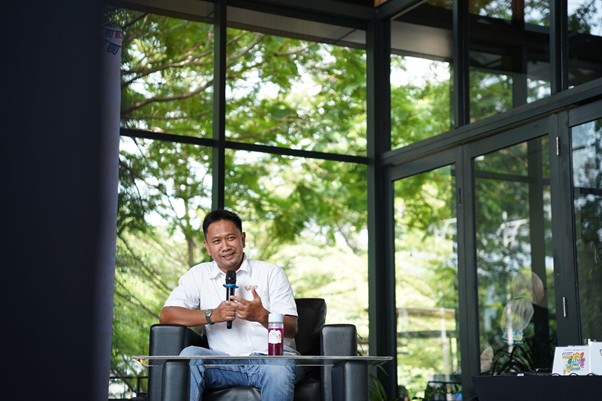

Ali Bastoni emphasized that amid the challenge of high unemployment, the qurbani sacrifice serves as a grassroots economic driver. Through the THK Program, which was launched in 1994, Dompet Dhuafa supports small-scale livestock farmers to become self-reliant and competitive.
However, Ali also highlighted ecological challenges. Upstream, through the DD Farm partnership, livestock waste is specifically managed to produce organic fertilizer, thereby minimizing methane emissions.
“If not managed, it has side effects like waste and methane gas. That’s why, for example, at DD Farm in Riau, we initiated waste management at DD Farm to turn it into organic fertilizer and prevent environmental pollution,” he explained to an audience dominated by young people.
Read also: Qurban Collaboration from the Music Stage, Farms, to the Land Above the Clouds
Meanwhile, there is an interesting story on the downstream side, behind the qurbani meat packages received by communities in 3T (Frontier, Outermost, and Disadvantaged) regions. Dompet Dhuafa has begun replacing plastic bags with local wisdom such as teak leaves and rattan containers. In addition to reducing plastic waste, this step also empowers local artisans.
One of the key points Ali also raised was regarding endowment funds and self-reliance. Dompet Dhuafa does not merely provide temporary aid but also offers ongoing support to those who have lost their jobs—such as in the aftermath of a disaster—to help them become resilient livestock farmers.
“Providing aid is one thing, but helping them become self-reliant and offering sustained support is another matter entirely—one that creates a far greater impact. From beneficiaries, they become contributors,” Ali concluded.
On the same occasion, another speaker, Wilda Romadona, Manager of Strategic Partnerships at Krealogi, shared her perspective from a Human Resources standpoint: “For us, this work isn’t limited to specific majors. It also requires soft skills: human communication, stakeholder management, and analytical thinking. We also need dynamic Gen-Z individuals with a wealth of survival strategies.”
Adding to that, Veronica, Founder & Director of Saka Dala, remarked, “When it comes to products, I think Indonesia is excellent. We also excel in spice raw materials—in fact, that was one of the reasons Indonesia was colonized. The challenge for Indonesia might be a lack of branding; generally, we just follow trends rather than truly breaking the rules in the global sustainability arena.”
Read also: Reviving Humanity Through Qurbani: From Philosophy to Real Action Across Remote Regions
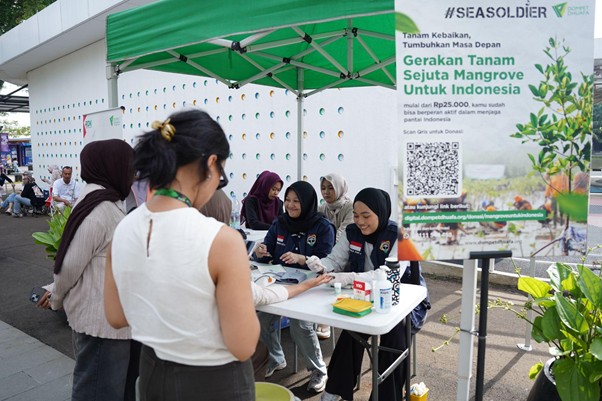
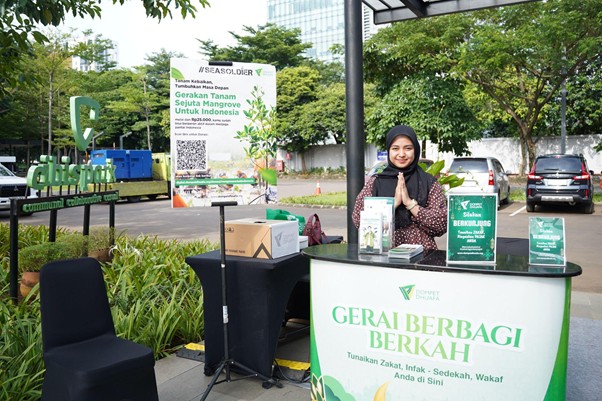
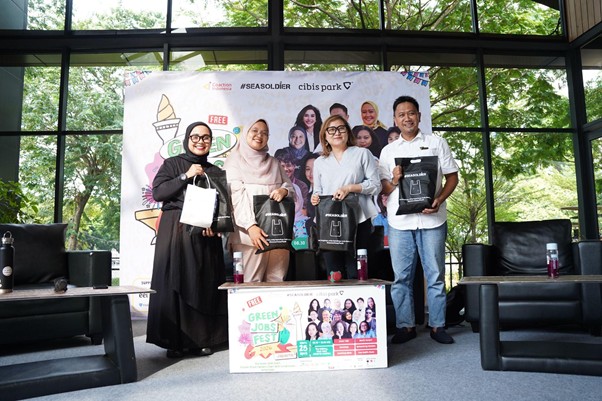
Dompet Dhuafa’s participation in this event, organized by Coaction Indonesia, Seasoldier, and Cibis Park, demonstrates that the philanthropic sector plays a crucial role in creating new, environmentally friendly job opportunities for small-scale farmers across Indonesia. There, Dompet Dhuafa, through its Free Health Services Team (LKC), provided medical services, an ambulance, and a Berbagi Berkah Booth.
Through its presence at the Green Jobs Fest 2026, Dompet Dhuafa aims to encourage us all to view the Qurbani sacrifice through a broader lens: as an act of devotion to God, compassion for others, and responsibility toward the Earth.
Maximize your worship while preserving the environment. Perform your sacrifice via digital.dompetdhuafa.org/kurban. And become part of the solution to the climate crisis alongside Dompet Dhuafa and Seasoldier. Plant your kindness today through “Plant Kindness, Grow the Future.” The Million Mangroves Movement for Indonesia. (Dompet Dhuafa)
Text and photos: Dhika Prabowo
Editor: Dedi Fadlil