


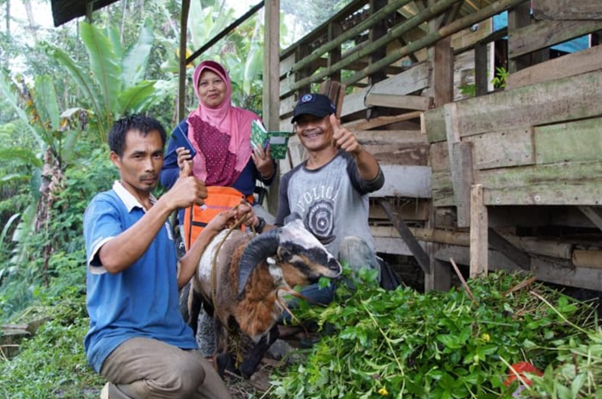
Eid al-Adha always has a unique way of bringing hearts together. Adha is not merely a religious ritual, but a cycle of goodwill that connects the good intentions of those offering sacrifices, the hard work of local farmers, and the grateful smiles of communities across the archipelago.
Through the Qurbani Animal Distribution Program (THK), initiated by Dompet Dhuafa in 1994, this spirit of collaboration continues to grow. In previous years, inspiring stories emerged from all corners, proving that a single sacrificial animal can make a difference in many lives.
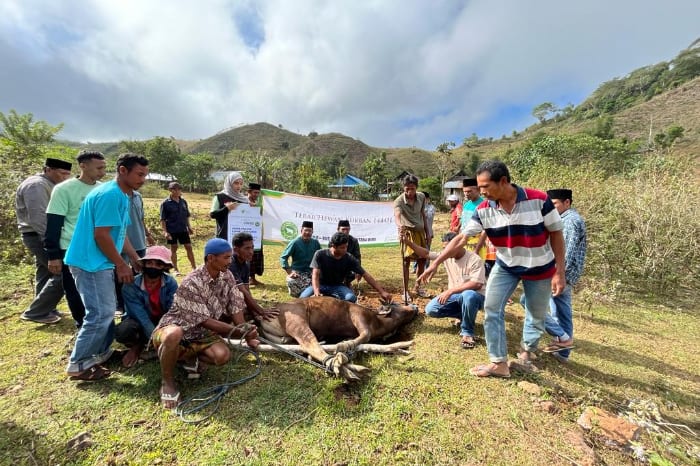
Kindness is contagious. This is demonstrated by the band The Rain and TV host Nycta Gina. Instead of making a personal sacrifice alone, The Rain invited their fans—known as The Rain Keepers—to chip in for the “The Rain Sacrifice with Fans” initiative.
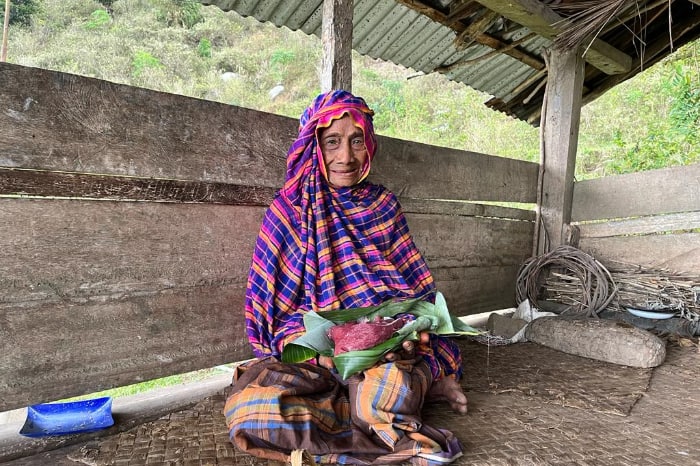
This collective effort traveled a long way to Sambori Village, Bima, West Nusa Tenggara (NTB). This region, nicknamed “The Land Above the Clouds,” is a remote area where meat is a luxury. Just imagine—the residents there are accustomed to eating only rice and moringa leaves for their daily meals. The arrival of these sacrificial offerings from the collaboration between the musicians and their fans does more than just provide food; it offers hope that they are not alone.
Read also: Qurbani Becomes a Symbol of Hope for Disaster Survivors
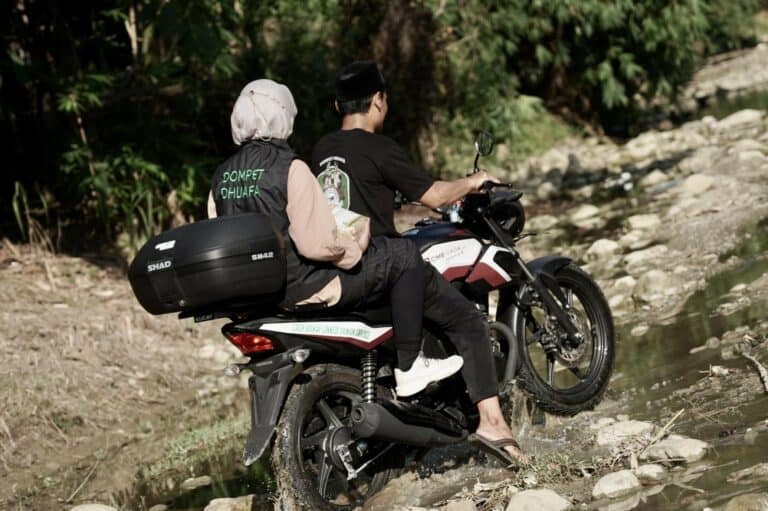
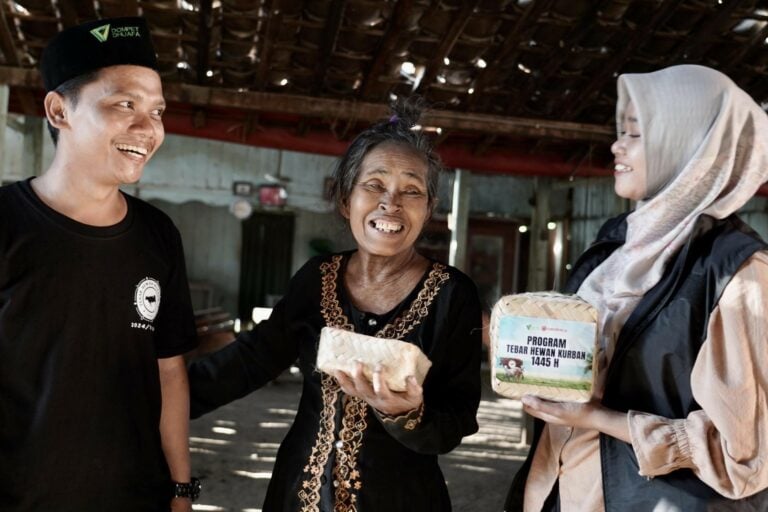
The cycle of kindness continued to Dukuh Kedung Udal, Central Java—a village nestled in an isolated teak forest at the eastern edge of Grobogan. To reach the village, the Dompet Dhuafa team had to struggle through a dry, rocky riverbed and steep hills, as there was no bridge yet.
“Finally, I can cook meat soup and rendang today. Thank you so much, Dompet Dhuafa,” said Mbah Satiyem (60) with tears in her eyes.
Here, the qurbani is carried out with local wisdom. Dompet Dhuafa Volunteers (DDV) adopted the concept of “Fun Qurbani Without Plastic Waste,” distributing the meat using rattan baskets and teak leaves. This sends a powerful message that our worship must be in harmony with the preservation of nature.
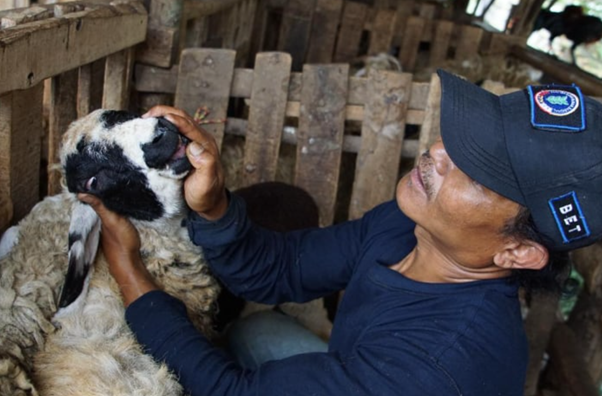
This is the essence of THK’s cycle of mutual benefit. At the grassroots level, there are also people like Kang Uceng from Sukabumi. This former stage musician is now driving the village economy through sheep farming.
Starting with just six sheep, support from Dompet Dhuafa helped him expand his flock to more than 30. The impact has been remarkable; Kang Uceng has now established the Riung Mukti Cooperative to assist other farmers. The proceeds from his flock are even being used to build a madrasah for orphans and the underprivileged in his village.
From Kang Uceng’s story, we learn that sacrificial offerings can serve as capital for small-scale farmers to achieve self-reliance. From the stories in Bima and Grobogan, we see that the sacrifice is a source of joy for those who are often forgotten. For them, livestock farming is not merely a means of making a living, but a path to developing the village, supporting the vulnerable, and realizing shared dreams.
Read also: Fasting on Arafah: A Key Practice Before the Sacrifice on Eid al-Adha
This is the Cycle of Goodness. Your sacrifice doesn’t stop at a single place; it flows, empowers, and brings life. Let’s collaborate again this year. Perfect your worship; expand your impact. Every donor who makes a sacrifice through digital.dompetdhuafa.org/kurban at Dompet Dhuafa has helped empower small-scale livestock farmers. (Dompet Dhuafa)
Text and photos: Dhika, Iis
Editor: Dedi Fadlil