


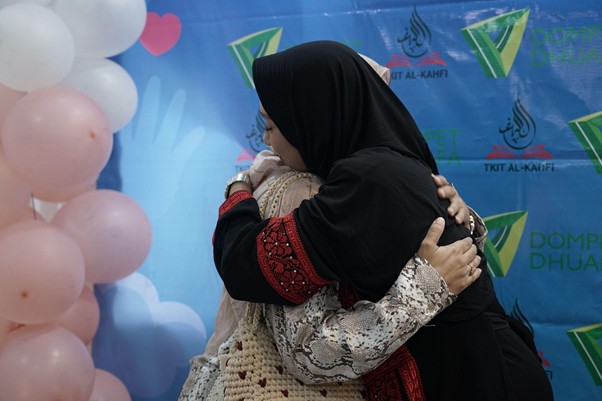
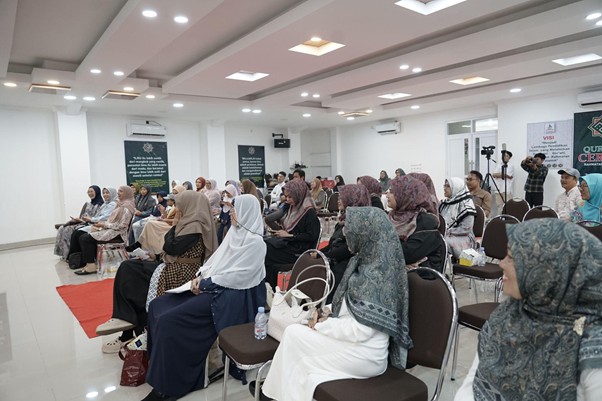
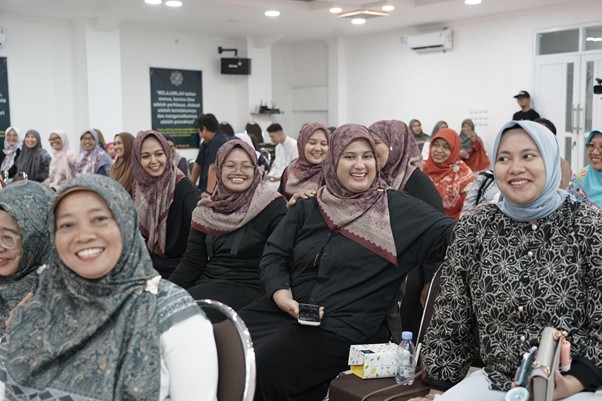
JAKARTA —-— Amid the rapid digital tide that is increasingly influencing children’s behavior and daily lives, Dompet Dhuafa, in collaboration with TKIT Al Kahfi, held a parenting workshop on Saturday (April 25, 2026) to equip parents with the tools to shape their children’s character from an early age. This event served as a shared learning space to help parents discover the right parenting methods.
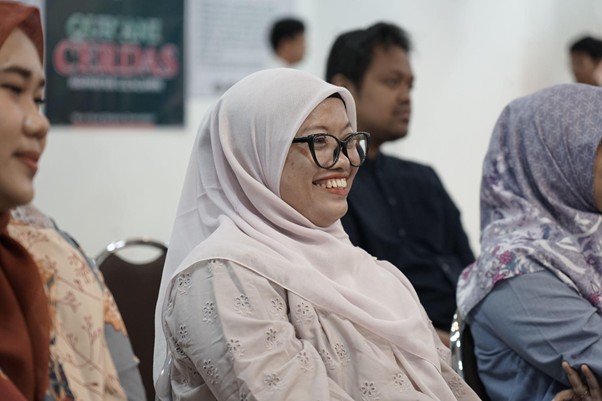
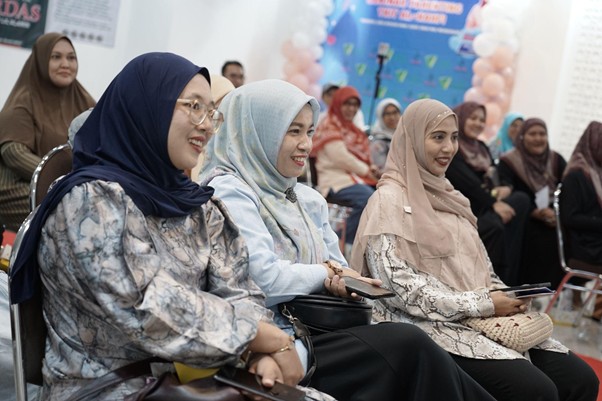
The event, titled “Fun Conversations with Children: The Key to Getting Children to Listen,” featured Shahnaz Haque, a public figure and parenting expert, and was held in the 2nd-floor auditorium of Al Kahfi Islamic School.
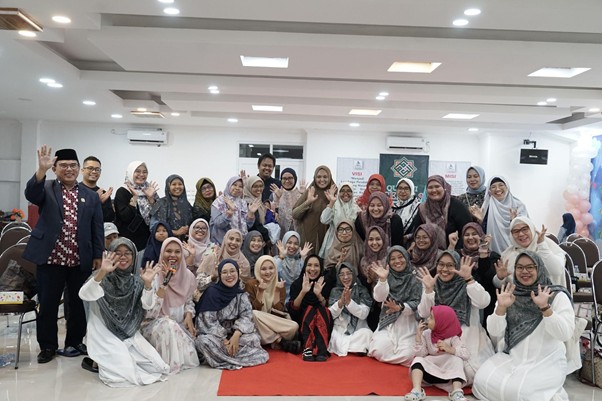
Opening the event, Nur Zam Zam, Chairperson of the Al Kahfi Indonesia Satu Foundation, emphasized that the presence of a child is both a blessing and a great responsibility for every parent. Zam Zam reminded the audience that education cannot be left solely to schools; rather, communication and quality time between parents and children at home are also crucial.
“Because it is a trust, we must improve the quality of their education, both at home and at school. If there is no education at home, then education feels incomplete if it is left solely to the school. Children interact more with their parents, so parents must be equipped, such as through the activities we are holding today,” he said.
Read also: Waqf Parenting Study: Mothers as Harbors and Children as Ships Ready to Dock
As a collaborative partner in the school network, Dompet Dhuafa appreciates the partnership established with TKIT Al Kahfi. This partnership stems from the shared vision between Dompet Dhuafa and the Al Kahfi Foundation.
Dompet Dhuafa, as a philanthropic institution managing zakat, infak, sedekah, waqf, and other social funds, is committed to instilling noble values from an early age in children through various educational programs.
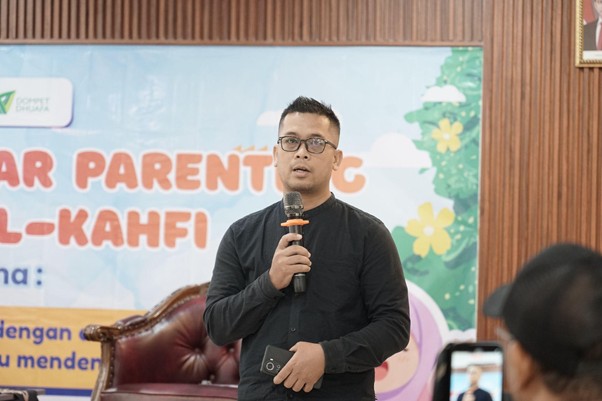
“The shared vision and mission between Dompet Dhuafa and TKIT Al Kahfi is to nurture children who are not only intellectually smart but whose essence, character, and moral values are rooted in the Quran as taught by Allah,” said Yudha Andilla, Retail Fundraising Manager at Dompet Dhuafa.
Furthermore, Yudha emphasized that this collaboration is an effort to create opportunities for parents to get to know their children’s personalities and needs more intimately. From this, it is hoped that a generation will emerge that is not only strong in faith and piety but also prepared to become future leaders.
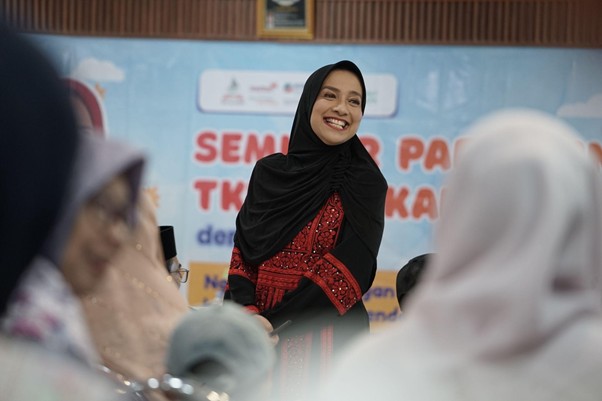
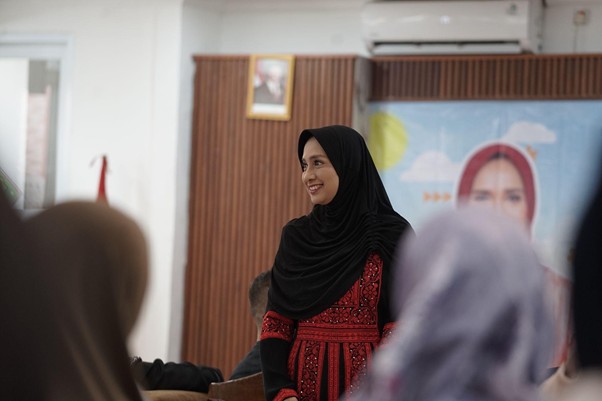
As the keynote speaker, Shahnaz Haque encouraged parents to understand that every child has a unique personality. There is no one-size-fits-all parenting approach that works for all children.
In her presentation, Shahnaz discussed research on brain waves and the importance of habit formation, explaining that the good habits parents hope to instill in their children do not develop overnight but require repeated practice.
Read also: Momong House and DD Farm in Banten, Uniting the Happiness of Donors and Beneficiaries
This repetition process is important because the human brain requires consistent practice so that positive behaviors can be ingrained and eventually applied by children in their daily lives.
He explained the 21/90 rule, a self-improvement method for forming new habits over 21 consecutive days, then making them a permanent lifestyle by continuing them for 90 days. This method focuses on a single specific goal to build discipline during the first three weeks, then reinforces it over the next three months to turn it into a habit.
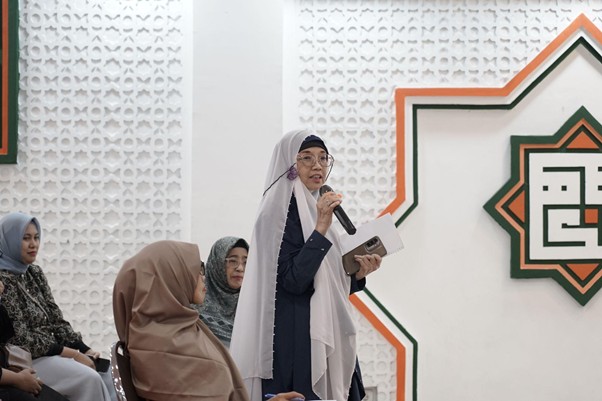
The mother of three also explained the concept of neuroplasticity, or the brain’s flexibility in children. Some children adapt easily (are resilient), while others tend to resist change. “Some children are talkative, while others are quiet but keep things to themselves. We can’t immediately tell whether they’re happy or suffering, so the only things we can assess are their words and behavior,” added the mother of three
Shahnaz emphasized that a child’s education rests on three pillars: home, school, and the environment. She encouraged parents to observe their children’s learning experiences. In her view, many parents only begin to learn when their child exhibits traits that fall outside their expectations.
“Every child has their own strengths. Don’t keep looking at them through a negative lens. Look for their strengths,” advised Shahnaz.
Read also: Dompet Dhuafa and the Jofisah Community Hold a Religious Lecture Series Titled “Love”
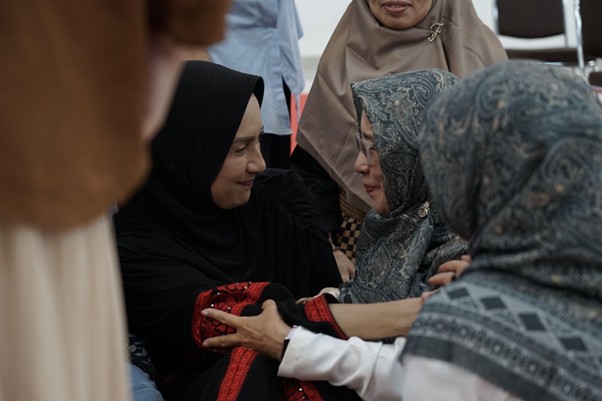
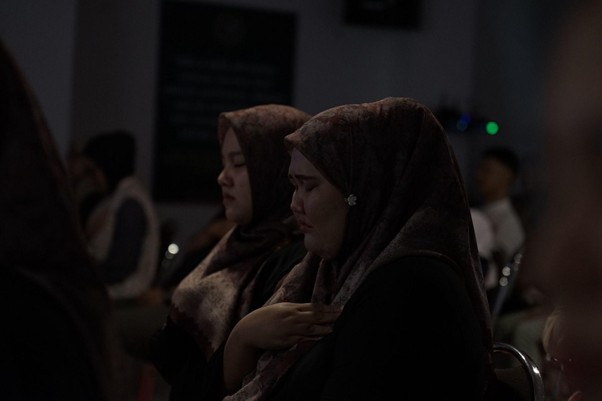
In closing, Shahnaz also explained the different learning styles—visual, auditory, and kinesthetic. She concluded the session with a meditation, inviting all participants to collectively accept their own shortcomings, embrace all their wounds, and learn to let go of any emotional pain so as not to pass it on to their children.
Through this activity, it became clear that the development of a child’s character cannot be entirely left to the school but requires the active involvement of parents. The collaboration between educational institutions and Dompet Dhuafa is seen as a bridge to strengthen parents’ capacity in facing the challenges of the digital age.
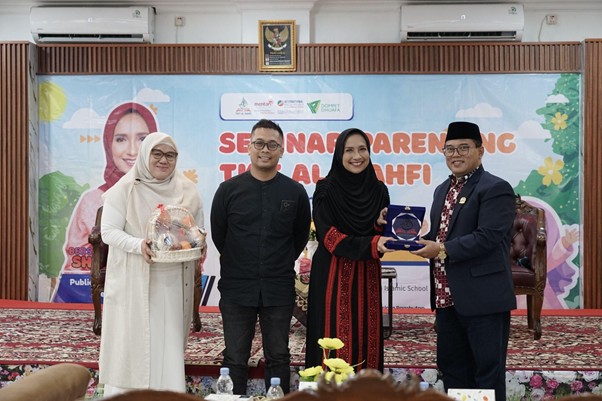
During the meeting, parents were also encouraged to get to know their children better, adapt their parenting styles, and understand that education is a shared journey that requires knowledge. (Dompet Dhuafa)
Text and photos: Anndini Dwi Putri
Editor: Dhika