


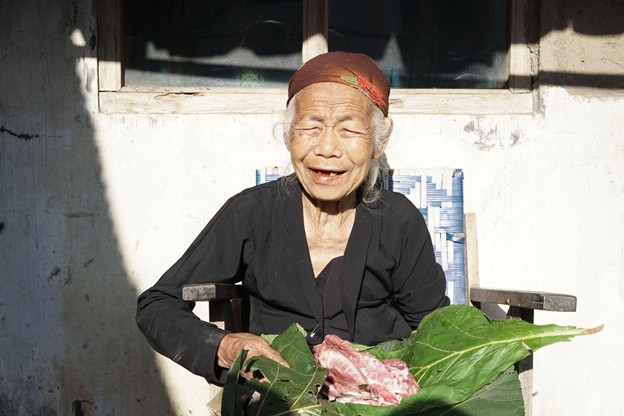
JAKARTA —- Every year, especially on the 10th day of Zulhijah in the Hijri calendar, Muslims around the world celebrate Eid al-Adha as a reflection on the story of Prophet Ibrahim and Ismail. This is then manifested in the form of qurbani, which is a highly recommended sunnah. Qurbani is a symbol of a servant’s devotion to his Lord.
Given the diversity of Muslim communities in Indonesia, this ritual has undergone acculturation with local cultures. For example, the Hadrat Tradition is a local custom in some areas of Maluku Province. Before sacrificing the animals, the community holds a procession around the village accompanied by rebana music, carrying the animals on their backs or shoulders.
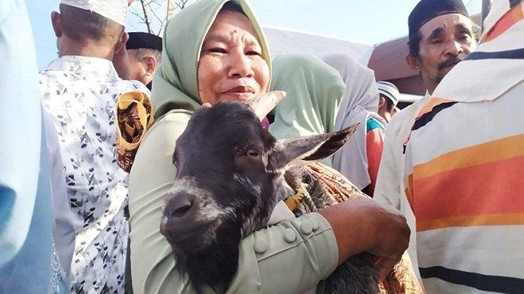
Another example is the local tradition in the Kenagarian Bawan community in Agam District, West Sumatra Province, which is still practiced today. This involves decorating the sacrificial animals like humans before the slaughter takes place. Decorative items such as combs, perfume, and powder are applied to the animals. It looks unique, doesn’t it? The hope is that the sacrificial animals are not only healthy and suitable for sacrifice but also appear attractive.
Read also: Slaughtering Kurban Animals in the Midst of Islamic Minorities
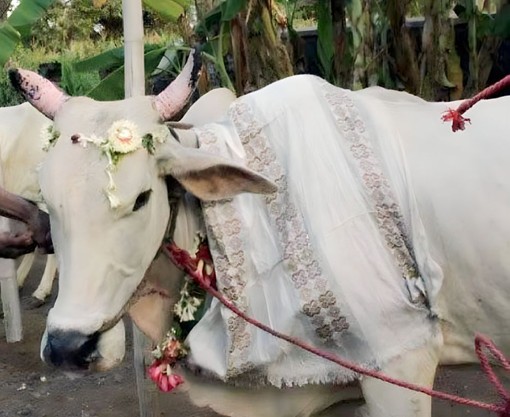
Similarly, the Manten Sapi tradition in Pasuruan, East Java, decorates sacrificial animals like brides. The cows that will be slaughtered are adorned with seven layers of flowers before being wrapped in a shroud. According to local residents, the shroud symbolizes the sanctity of the sacrifice.
The acculturation of Islam with local culture is not a problem as long as the sacrifice is carried out in accordance with Islamic law. Ahmad Fauzi Qosim, Secretary of the Sharia Supervisory Board of Dompet Dhuafa, stated that such acculturation brings positive values as long as the intention remains unchanged—that is, to sacrifice for the sake of Allah SWT. These traditions can also serve as a means of spreading Islamic teachings in various regions of Indonesia.
Local traditions in the performance of sacrifice, such as those mentioned earlier, are part of the community’s expression of gratitude for Allah’s blessings. They also serve as a form of honoring animals before they are slaughtered, explained Ustaz Fauzi.
Of course, the role of local leaders in continuing to oversee and actively participate in the implementation of the sacrifice among the community remains a hope. Especially in paying attention to and disseminating the proper procedures for slaughtering according to the fiqh established by Islamic teachings.
“Such local traditions are actually symbols of Indonesia’s cultural richness. They also reflect the community’s gratitude for being able to perform the sacrifice and share during Eid al-Adha. As long as the steps and order of slaughtering are not altered from the fiqh guidelines, and the sacrifice is intended solely for Allah,” said Fauzi on Monday (April 28, 2025).
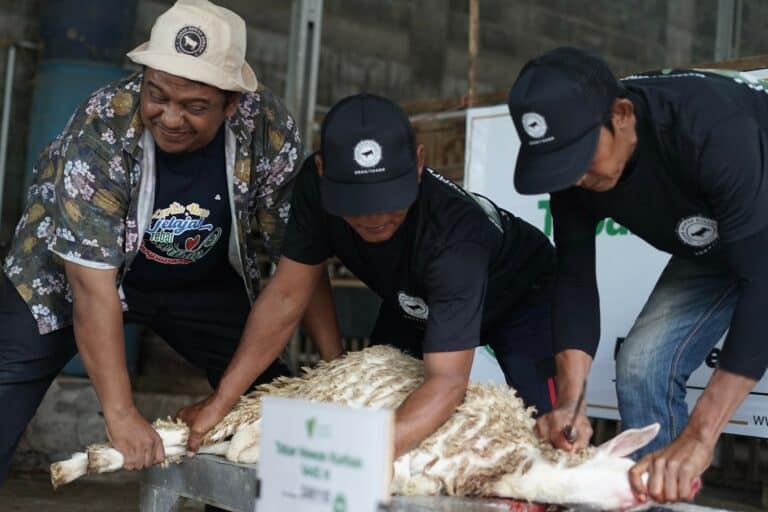
Some things to keep in mind when slaughtering sacrificial animals include
- Reciting prayers and supplications: “Bismillahi Allahuakbar, allahuma minka wa ilaika,” which means,
- “In the name of Allah and Allah is Great, O Allah, this sacrifice is from You and for You.”
- Facing the animal toward the qibla, without hurting it.
- Using a sharp knife and cutting the throat, windpipe, and two jugular veins in the neck.
- Slaughtering quickly so that the animal does not suffer for long and ensuring that the animal is completely dead after slaughter.
It is not just about the slaughtering procedure. The sacrificial animal must also be in good health and free from defects. This process begins well before the day of slaughter, such as strict quality control measures on livestock intended for sacrifice.
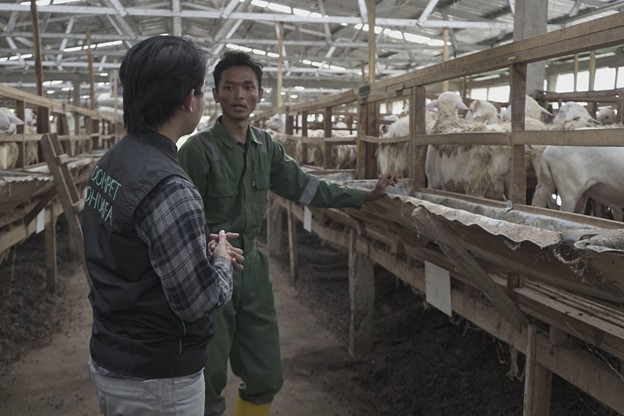
Dompet Dhuafa, as one of the charitable organizations providing sacrificial animal services, can be a great option for those who wish to perform their sacrifices in accordance with Islamic law. Dompet Dhuafa ensures that the sacrificial animals undergo a quality control process, guaranteeing that they are healthy, well-nourished, of the correct gender, and of the appropriate age for slaughter.
Dompet Dhuafa will also ensure that your sacrificial offerings are distributed to the remotest parts of the country, reaching 3T areas (remote, frontier, and outer regions). Shortly after you make your sacrifice through Dompet Dhuafa, a digital report will be sent to each donor.
For those who wish to start sacrificing, please visit the page digital.dompetdhuafa.org/kurban. Let’s expand the benefits to the remotest areas through Dompet Dhuafa’s Animal Sacrifice Distribution Program! (Dompet Dhuafa)
Text: Hany Fatihah Ahmad
Editor: Dhika