


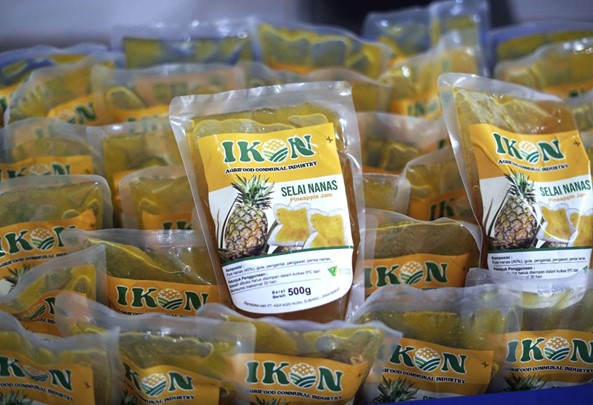
SUBANG, WEST JAVA -— A sturdy building stands on the main road of Cirangkong Village, Cijambe District, Subang. It covers an area of 1,000 square meters on a 2,000 square meter plot of land. Inside, dozens of local workers are busy processing piles of fresh pineapples into high-quality juice extract and jam.
This is the Pineapple Processing Community Industry, or known as IKON, an innovative economic initiative based on productive zakat (charitable giving) initiated by Dompet Dhuafa. With a processing capacity of up to 10 tons of fresh pineapples per day, IKON is able to produce 2.5-3 tons of jam or puree and 1-2 tons of concentrate daily.
This program is not merely an industrial activity but a community empowerment initiative that unites the spirit of endowment, zakat, and agricultural innovation.
A state-of-the-art technology industry developed by local talent capable of processing various fruit and horticultural commodities such as pineapples, mangoes, strawberries, sweet potatoes, cassava, and chili peppers into jam, paste, and juice concentrate.
Read also: Aliah Sayutis Experience in Entering the Plantation, Try to Become A Sinjai Coffee Farmer
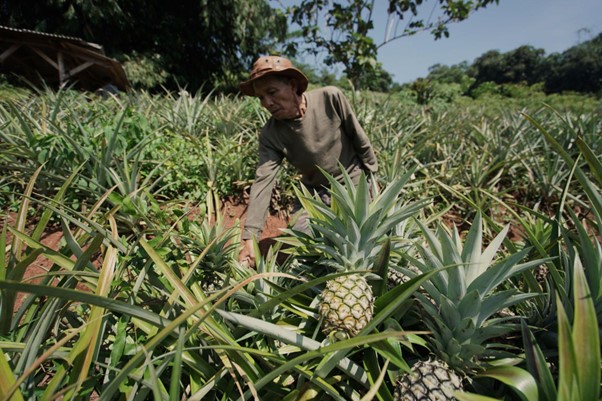
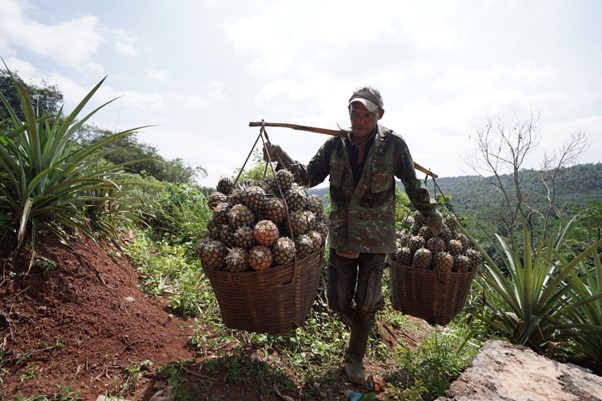
For a long time, Subang Regency has been known as the land of pineapples. Vast pineapple plantations stretch as far as the eye can see, indicating that Subang is indeed rich in agricultural potential. However, ironically, this wealth has not been enough to ensure a prosperous life for its farmers.
When the harvest season arrives, many farmers are filled with anxiety. Pineapple prices plummet due to an oversupply, and middlemen often take advantage of the situation. There are no proper storage facilities, and farmers have no direct access to major markets. They are forced to sell quickly to prevent the fruit from rotting, even at prices far below their expectations.
“Sometimes the harvest isn’t enough to cover planting costs. When that happens, we end up losing money,” said Ade Suherlan, one of the pineapple farmers.
This situation is not new. It repeats every year, forming a difficult cycle to break. Farmers continue to plant because they have no other choice. They accept the unfair system and the prices they cannot control.
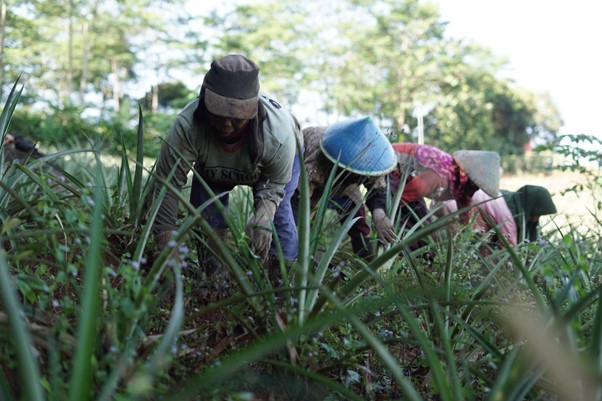
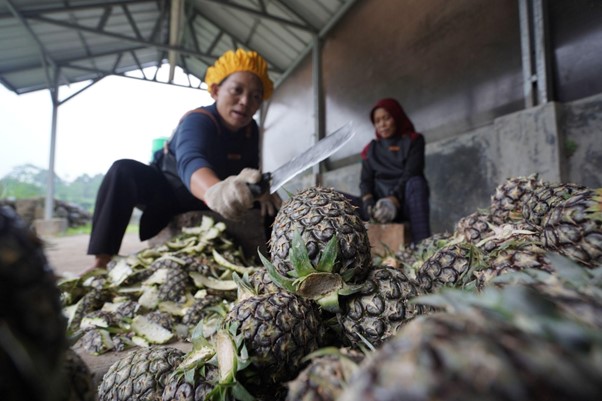
In the midst of this dire situation, Dompet Dhuafa came bringing hope. In 2014, this philanthropic organization donated 10 hectares of land in Cirangkong Village as part of its productive endowment program. The land was planted with pineapples, and part of it was converted into a sheep farm.
However, the program did not stop at agriculture. Dompet Dhuafa identified a significant opportunity that had been overlooked: what if pineapples were not just sold as fresh fruit but processed into value-added products like juice and jam?
This idea was gradually brought to life. It took time, effort, and commitment. Finally, on Thursday, June 26, 2025, the fruit processing plant named IKON began operations. This first food processing plant by Dompet Dhuafa can process up to 10 tons of fresh pineapples daily.
As morning approaches, open-bed trucks begin arriving from the orchards, loaded with pineapples. The peeled and cleaned pineapples are weighed one by one, then fed into the juicing machines. In the production room, the hum of the machines sounds like an industrial melody, beating steadily.
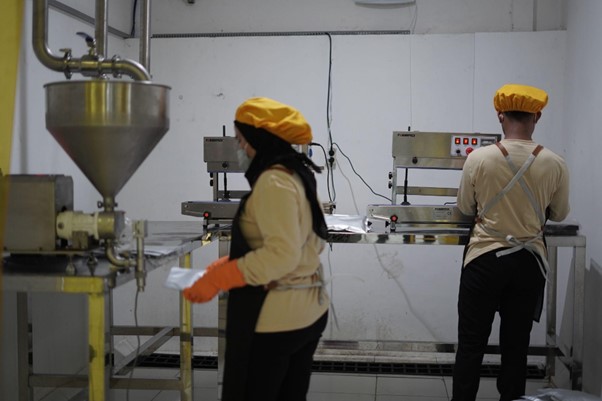
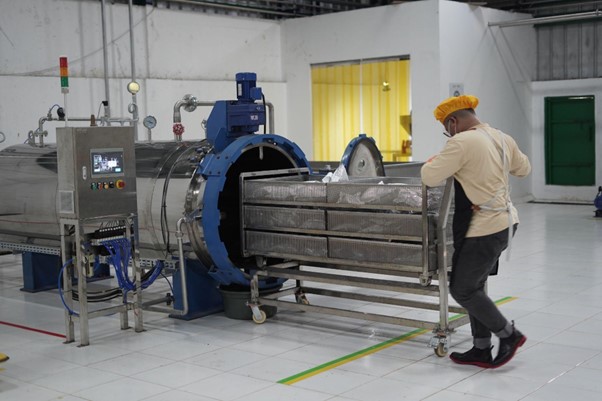
Several rooms are separated by walls and glass, maintaining cleanliness and production standards. There, pineapples are separated into juice and cake. The pineapple juice is processed into juice extract, while the cake is made into jam. Almost nothing is wasted.
The final products are neatly packaged in the packaging room. After that, the products are stored in a cold storage warehouse, ready to be shipped to other industries that will continue the process.
“Our final products reach the juice extract and jam stages. Other industries will then handle the distribution to consumers. We already have our market partners,” explained Kuswolo, Operational Manager of IKON.
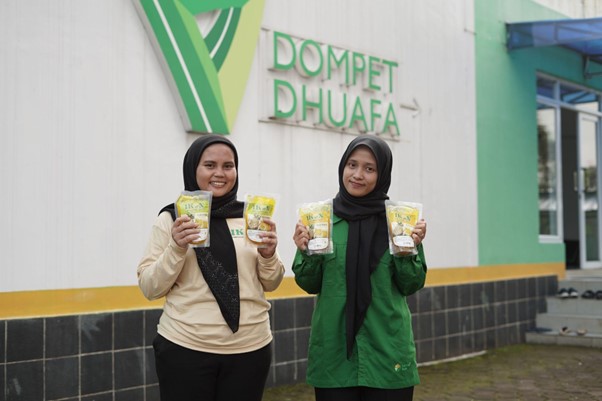
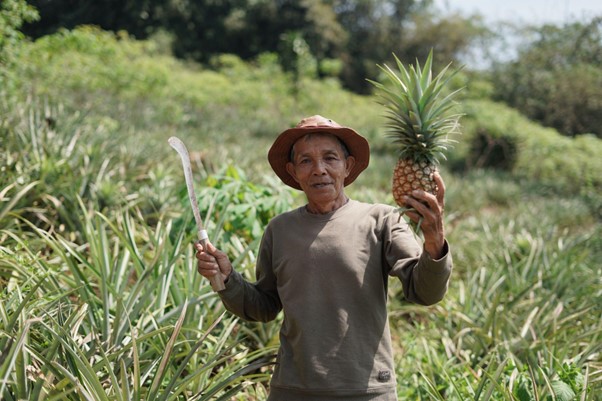
What makes IKON special is not only its production results, but also the spirit behind it. IKON is a communal industrial concept, where the majority of shares, 97 percent, are held by the beneficiary community, or mustahik. Dompet Dhuafa only has 3 percent for machine maintenance and program sustainability monitoring.
This means that farmers are not just selling pineapples. They are the ‘owners’ of the factory. They ‘own’ shares. They share in the profits of the business.
Dompet Dhuafa has also established a local cooperative responsible for sorting and selecting fruits suitable for the industry. Residents are involved as workers in the industry after undergoing training and skill assessments. Everything operates in a spirit of collaboration, transparency, and empowerment.
IKON is not just a building with modern machinery. It is a symbol of change. It proves that zakat and wakaf are not just for consumption but can also be a driver of long-term economic growth. IKON aims to empower farmers to become self-reliant, showing that communities can manage their own industries. IKON instills confidence. Those who were once merely upstream suppliers of agricultural products now have their own downstream industry.(Dompet Dhuafa)
Text and Photos: Riza Muthohar
Editor: Dhika