


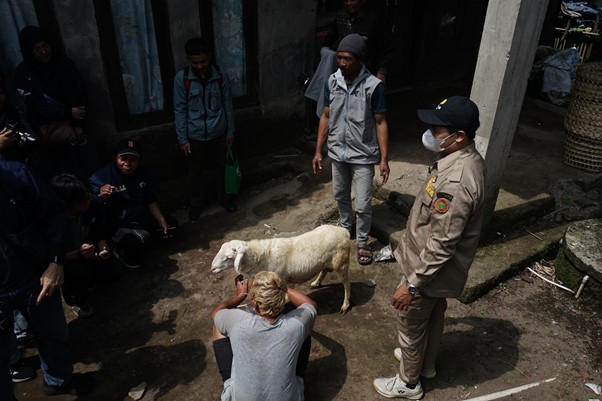
SEMARANG, CENTRAL JAVA —-— Ahead of the 2026 Eid al-Adha celebrations, the Central Java branch of Dompet Dhuafa is ensuring that all sacrificial animals managed through the Jaringan Tani Ternak Nusantara (Jantara) Program meet strict religious and health standards. Through a Quality Control (QC) process involving a team of experts and veterinarians, the quality of the sacrificial animals at the empowerment site in Tolokan Village, Getasan District, is ensured to be in prime condition.
The selection process involves weighing each animal individually to ensure their weight meets specifications, as well as a thorough physical examination to guarantee the animals are free of defects. Muhammad Miftahul Huda from DD Farm Central Java explained that the monitoring process has been ongoing for approximately five months since the pens were stocked in late 2025.
“All 48 animals were weighed one by one, then their health and general physical condition were checked. There were no defects—meaning none were blind, and none had broken ears, noses, or legs,” said Miftah.
“Alhamdulillah, 45 of them passed Quality Control,” he added.
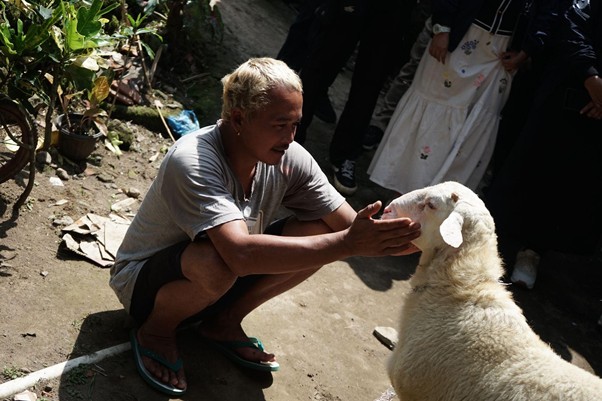
In addition to religious requirements, thorough medical examinations are conducted to ensure the animals are free from infectious diseases such as FMD or seasonal illnesses. Dr. Hermanto from the Getasan Animal Health Center explained that there are five key indicators the medical team uses to determine whether an animal is healthy:
- High Activity: The animal must exhibit lively behavior and active movements while in the pen.
- Clear, Bright Eyes: The eyes appear normal, bright, and show no signs of disease or infection (such as pink eye).
- Good Appetite: The animal demonstrates a strong desire to eat, indicating that the digestive system is functioning normally.
- Clean Mouth Area: No wounds, sores, or lesions are found in the mouth area, which could be early indicators of infectious diseases.
- Clean Rear Area: The tail and anal area must be clean. There should be no residual fluid or feces adhering to the area, as this indicates the animal is experiencing diarrhea or other digestive disorders.
“On average, their development is good. The sheep are also in good health. They’re also getting plump,” explained Dr. Hermanto during an inspection at the Tolokan Village pen.
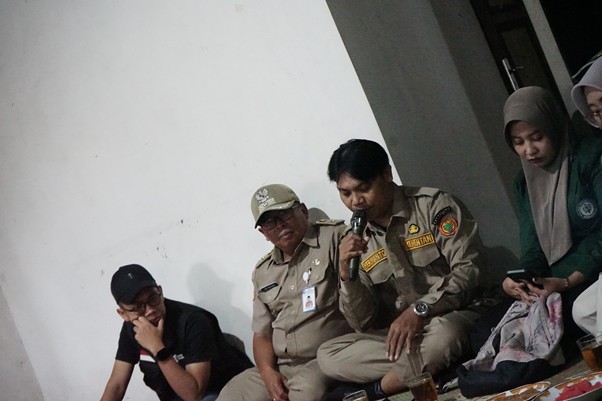
Zaini Tafrikhan, Head of the Central Java Branch of Dompet Dhuafa, emphasized that preparations are now in their final stages. This program is not only about providing animals but also about ensuring the economic sustainability of local farmers in Tolokan Village.
“Alhamdulillah, for our Eid al-Adha preparations, all our farmers have completed quality control. In accordance with Islamic law, their age is appropriate—they’re well-developed, and they’re all male,” Zaini stated firmly.
“The preparations are 100% complete, insha’Allah; we just need to ensure the sheep remain healthy until the day of slaughter,” Zaini continued.
Through these maintained health standards, this program is expected to provide peace of mind for those performing the sacrifice (mudhohi/sohibul qurban) while also delivering tangible economic benefits to farmers in the Getasan area. Let’s spread the benefits of the act of sacrifice through digital.dompetdhuafa.org/kurban. (Dompet Dhuafa)
Text and photos: Roseta
Editor: Dhika