


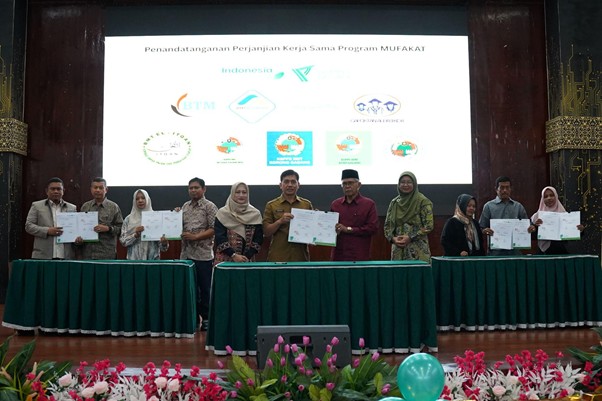
PADANG, WEST SUMATRA —-— The hydrometeorological disasters that have struck the West Sumatra region in recent months have not only caused infrastructure damage but have also crippled the region’s economic backbone, including the MSME sector. In response to this urgent need, Dompet Dhuafa has moved quickly to launch the MUFAKAT Program (Beneficial Business Capital for the Community) as a concrete solution for the economic recovery of disaster survivors.
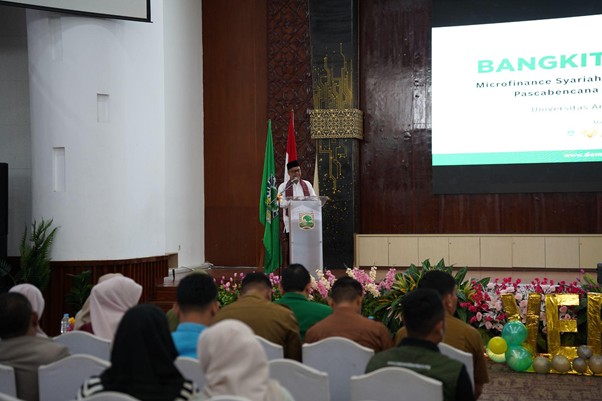
Through its Program Management Partner (MPP), the Indonesian Empowered Entrepreneurs Foundation (YWIB), Dompet Dhuafa introduced a sharia financing model integrated with business mentoring. This significant initiative was thoroughly discussed during a collaborative seminar titled “Post-Disaster Economic Recovery,” held at the Convention Hall of Andalas University in Padang on Monday, May 4, 2026.
The Galodo disaster (flash floods) that struck four regencies in West Sumatra has caused thousands of micro-entrepreneurs to lose their productive assets. As of January 2026, a total of 4,876 MSMEs were directly affected and faced difficulties accessing formal capital because their businesses were no longer bankable due to the impact of the disaster.
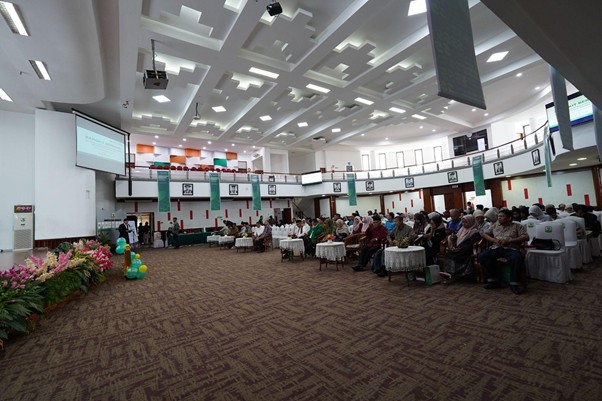
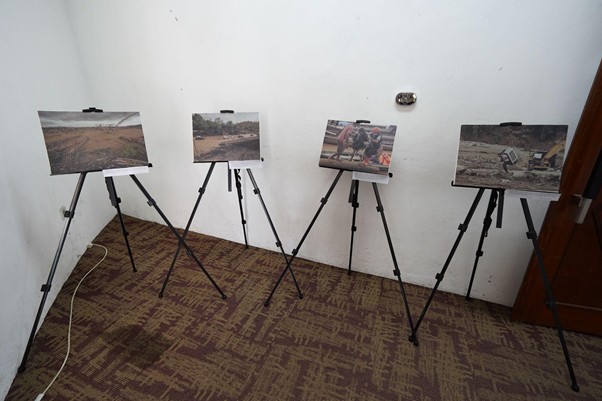
Ahmad Juwaini, Chairman of the Dompet Dhuafa Foundation, emphasized that Dompet Dhuafa, through its Disaster Management Center (DMC), has been present since the emergency phase; however, long-term recovery through economic self-reliance is the top priority at this time.
“Disasters do indeed leave behind sorrow, but we must focus on the spirit of resilience. The MUFAKAT Program is a concrete form of support from Dompet Dhuafa to help survivors regain their independence and dignity. We want them not only to recover but to be able to help others again through a strong sharia microfinance ecosystem,” said Ahmad Juwaini in his remarks.
Dompet Dhuafa believes that short-term consumptive aid is insufficient to revive devastated MSMEs. Therefore, the MUFAKAT Program prioritizes a productive approach through the Baitul Maal wat Tamwil (BMT) network, which has both emotional and geographical ties to the local community.
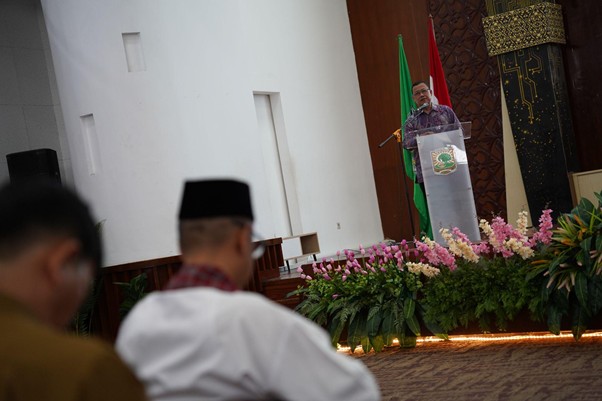
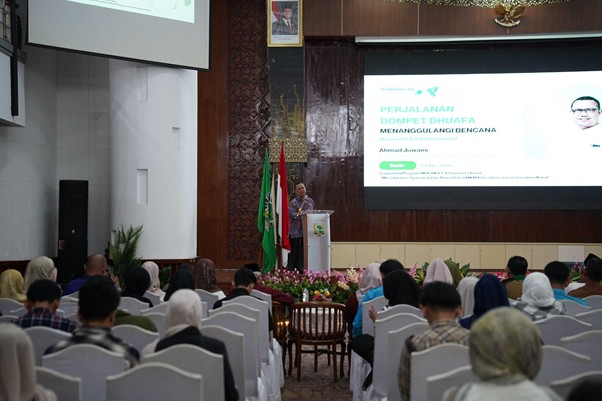
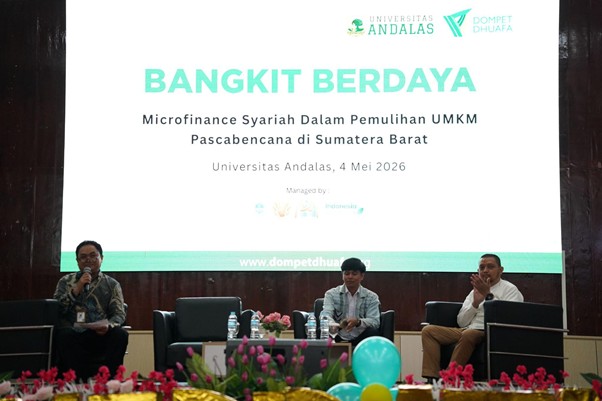
During the discussion session, Prima Hadi Putra, Director of LPIW Dompet Dhuafa, explained that this program is a form of support for underprivileged groups who lack access to capital and economic education.
“Our assistance doesn’t stop at merely ‘filling stomachs.’ We strive to provide productive aid, offering access to capital through 21 BMTs—each with 50 members—while equipping them with financial literacy and halal certification. MSMEs are the backbone of the national economy, so their strengthening must be comprehensive,” Prima emphasized.
The urgency of this recovery effort has received full support from the academic community. Dr. Fery Andrianus from Andalas University expressed his appreciation for Dompet Dhuafa’s consistency in the field.
“Collaboration with Dompet Dhuafa has proven effective. We want students to see how microfinance theory is implemented to save the people’s economy in the aftermath of a disaster,” he explained.
Read also: Dompet Dhuafa Receives the IPEMI Award for Leading Indonesian MSME Institutions
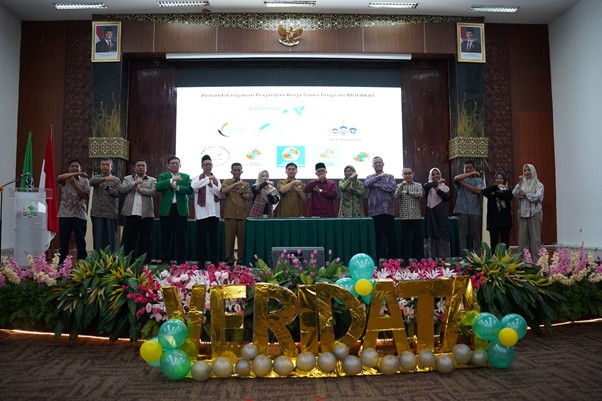
As tangible evidence of this commitment, the event featured the signing of a Memorandum of Understanding (MoU) with 10 BMTs in West Sumatra. This collaboration marks the first step toward revitalizing MSME operators so they can resume production and drive the local economy in a sustainable manner.
Through the synergy between Dompet Dhuafa, academics, and local governments, the MUFAKAT Program is expected to become a national model for fostering community economic resilience in disaster-prone areas. (Dompet Dhuafa)
Text and photos: Dhika
Editor: Dedi Fadlil