


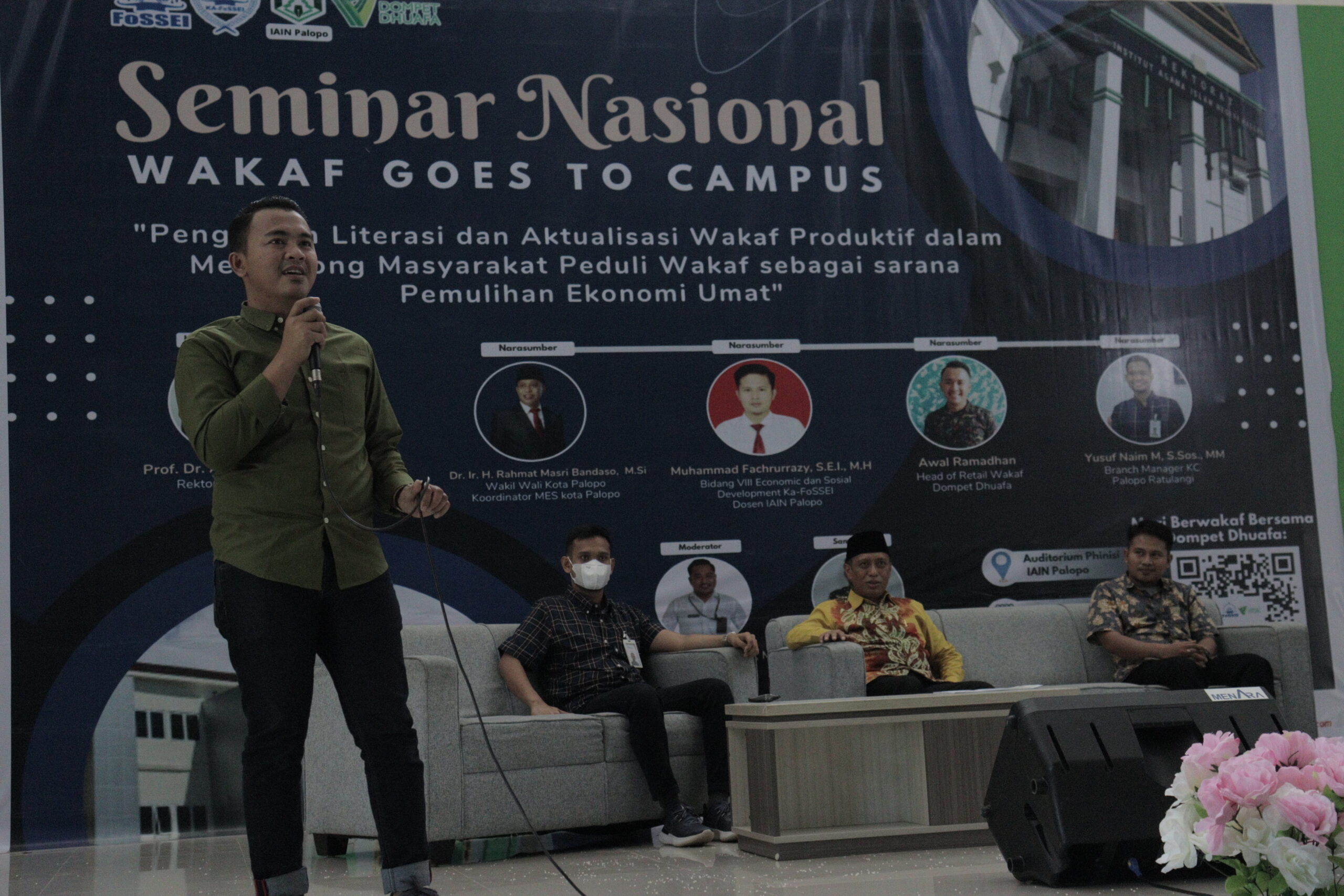
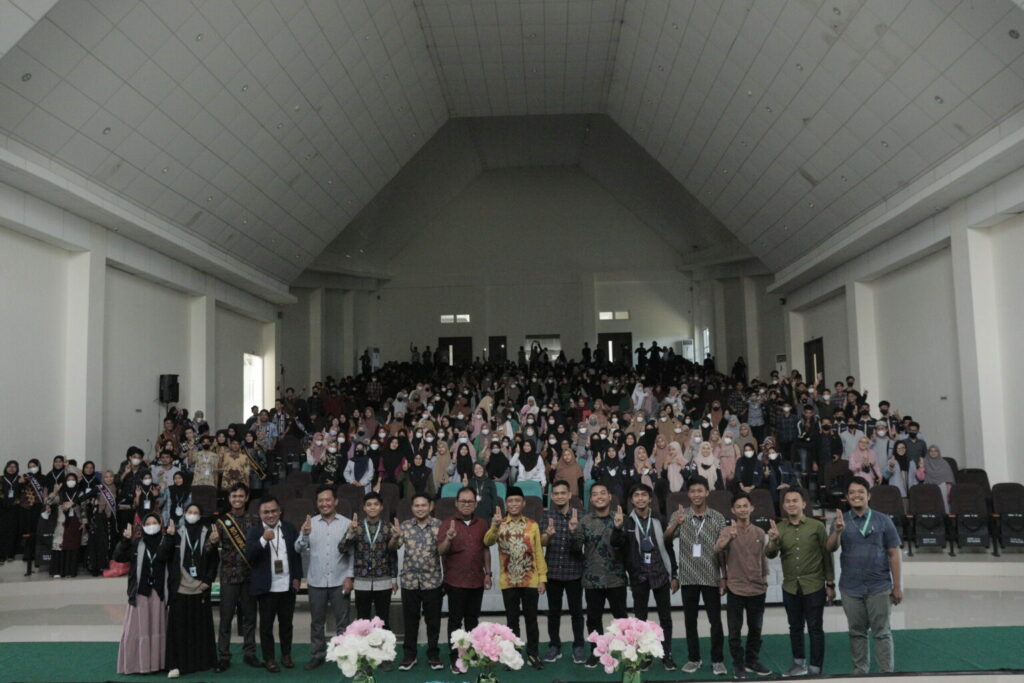
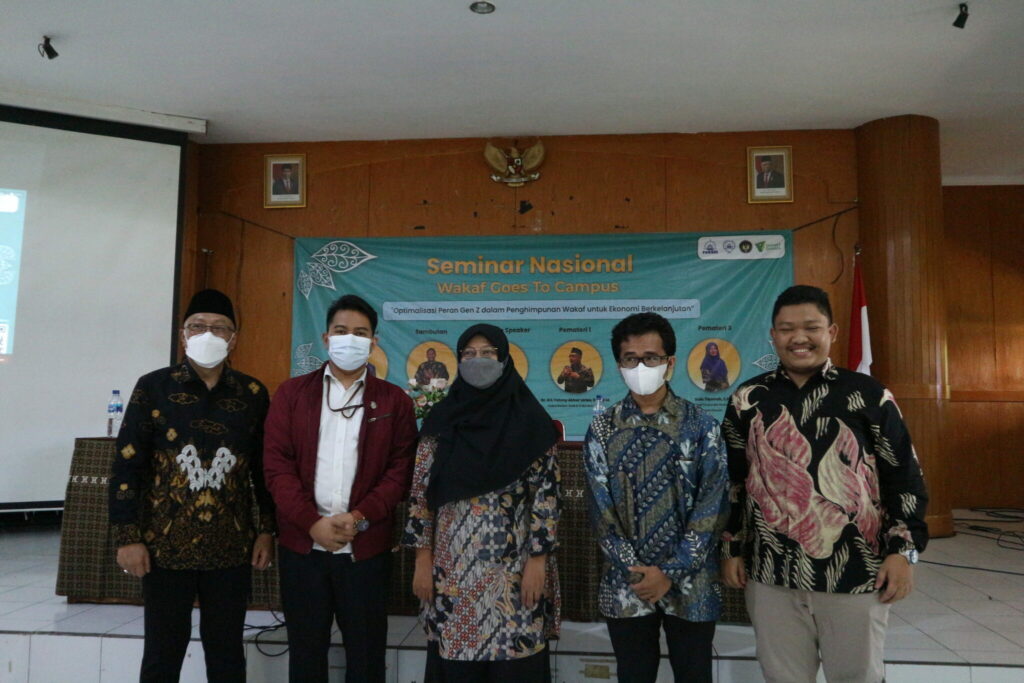
JAKARTA —— Dompet Dhuafa’s efforts to expand literacy about waqf through one of its flagship programs, Wakaf Goes To Campus (WGTC), has successfully attracted the attention of young people in higher education. This can be seen from the total number of participants who attended WGTC activities, reaching 2,000 people from 11 different locations.
The selected locations are universities where academic studies on waqf are increasingly being promoted by students. The universities visited by the WGTC program include: Muhammadiyah University Surakarta, IAIN Pontianak, UIN Alaudin Makassar, IAIN Madura, UIN Ar Raniry Banda Aceh, UIN Raden Intan Lampung, UIN Raden Fattah Palembang, IAIN Palopo, Padjajaran University, UIN Sultan Maulana Hasanuddin Banten, and Yogyakarta State University.
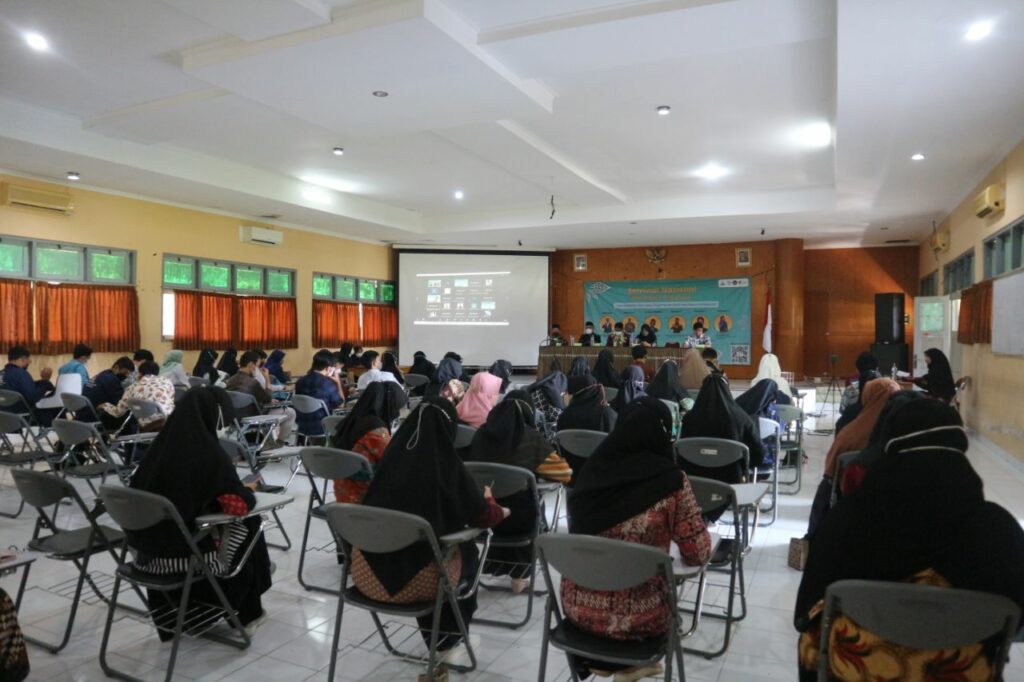
The wide reach of the universities hosting the WGTC is concrete evidence of Dompet Dhuafa’s enthusiasm for increasing literacy about waqf among the entire community, especially young people. The high level of activity among young people in the virtual world is also one of the effective strategies to further spread understanding about waqf through their posts on social media.
“As a branch of Social Economic Finance, waqf is actually a very significant instrument in strengthening the economy of the people. This is because waqf, both from a historical perspective and in terms of its development over time, has become a source of philanthropy-based capital. Why is this important? Because waqf funds are indeed intended to strengthen the structure of productive assets in the community,” said Bobby P. Manullang, General Manager of Fundraising Waqf Dompet Dhuafa.
In addition, Bobby also explained the enormous positive impact that waqf activities can have. “It is from waqf that sources of livelihood will emerge that can benefit maukufalaih. Although it must be acknowledged that currently, the community only sees waqf as an asset to support social and religious activities, such as mosques, tombs, and madrasas. Therefore, a process of transformation and a broader perspective on waqf is needed. This is where the important role of the WGTC program becomes very urgent, by forming volunteers as agents of change in terms of waqf in Indonesia,” he concluded.
Dompet Dhuafa is not alone in this movement. The Islamic Economics Study Forum (FoSSEI) is a partner in actively collaborating on the implementation of WGTC in every region of Indonesia. FoSSEI itself is currently promoting a campaign on the Green Economy and will certainly continue to collaborate with Dompet Dhuafa to collect cash waqf through the Agricultural Land Waqf program.
This campaign is not just talk; it directly encourages young people attending WGTC to make a waqf donation of just 10,000 rupiah. Waqf donations can be made through the website https://donasi.dompetdhuafa.org/wakaflahanpangan-fossei/ and will be directly allocated through the Agricultural Land Waqf program for the wider community in need.
In addition, there is another interesting thing, the “Wakaf Challenge” competition held by Dompet Dhuafa will announce its winners on June 14, 2022. The “Wakaf Challenge” itself is a competition consisting of making IG Reels and Tiktok videos, comic competitions, and challenges of kindness about waqf with a total prize of 28 million rupiah. This competition is also part of efforts to expand wakaf literacy among the public through social media. We will witness together various works by the nation’s youth to introduce wakaf through creativity and innovation. (Dompet Dhuafa / Arlen)