


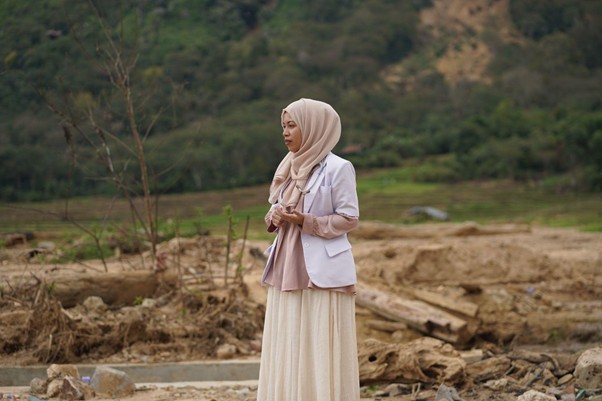
TAKENGON, CENTRAL ACEH —-– For most people, the 57th day after a disaster is a time to return home and resume normal routines. However, for Dr. Rifa Karimah, time seems to have stopped since flash floods and landslides devastated her homeland.
Since joining the relief effort on the night of December 23 until the evening of the 57th day, the young doctor, born in 1997, has never really “gone home.” For her, Aceh’s wounds have not healed just because the floodwaters have receded. “It’s still far from recovery,” she muttered amid the dry mud dust that was beginning to choke her chest.
“From the first day of the incident, November 26, 2025, I, who am also a resident of Takengon, was very shocked and saddened that this happened in Aceh. What could I do to help? I wanted to use my medical knowledge to help the disaster victims. But during the first month after the incident, access to Takengon was still difficult because many areas were cut off,” said Dr. Rifa.
“After that, I received news from a friend about Dompet Dhuafa’s response efforts in Central Aceh, and it turned out that they needed doctors to go to the field. Finally, on the evening of December 23, 2025, I joined the medical team from Dompet Dhuafa for the first time to provide medical services at the disaster site in Burlah Village, Ketol,” he explained further.
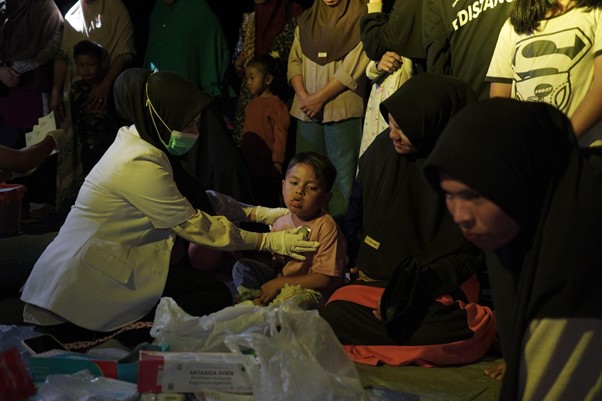
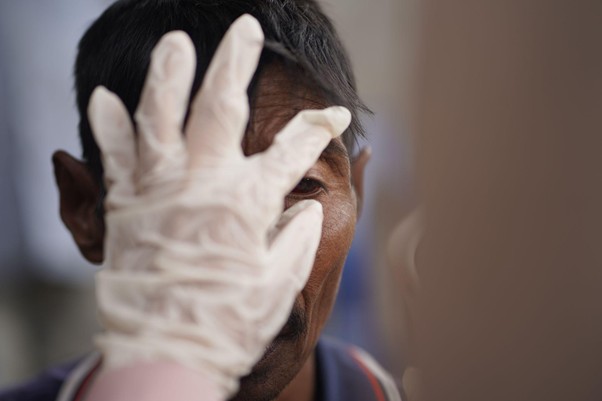
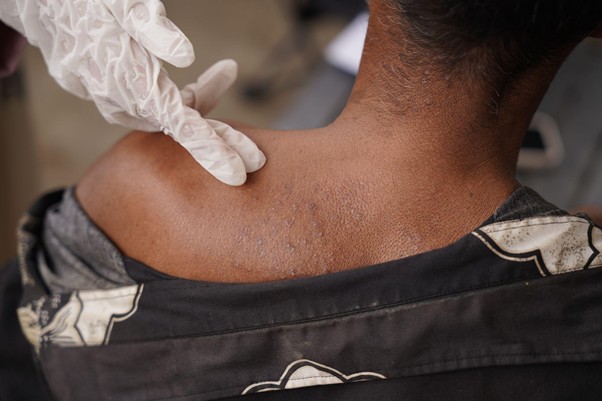
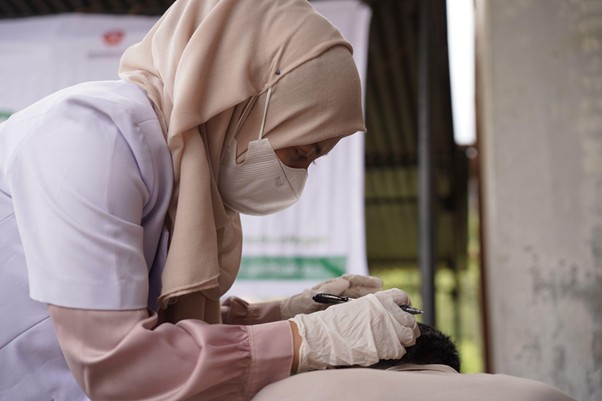
On Thursday (January 22, 2026), Dr. Rifa and the Dompet Dhuafa medical team broke through the blocked access to Wihlah Setie Village, Bintang District. There, she not only brought a stethoscope, but also brought hope to 52 residents, especially the elderly and children who are now familiar with respiratory infections and trauma.
“I’ve been experiencing frequent headaches and itching since the flood. The rice fields were flooded, and the water in our homes is dirty. But thank God, I was able to get checked at the medical post and received medication from Dompet Dhuafa. There’s a doctor there. It’s too far to go to the health center,” said Kamaludin.
“My child has a fever, cough, and red spots and itching on their cheeks and neck. The road access is still blocked by landslides, and the dust is getting worse,” said Yurida.
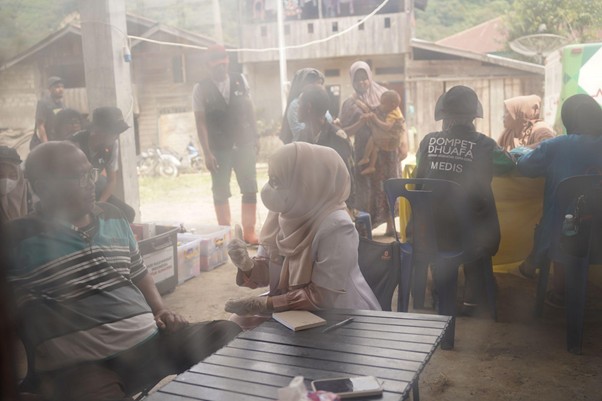
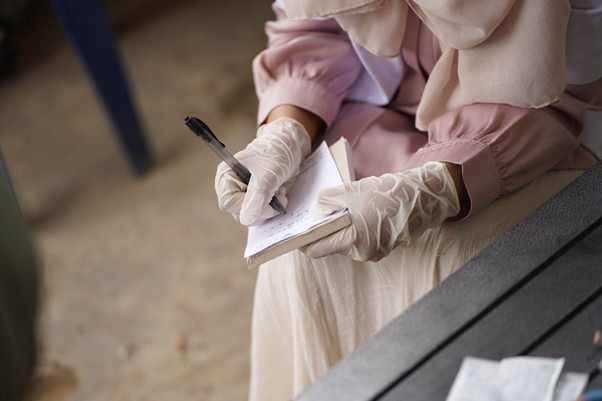
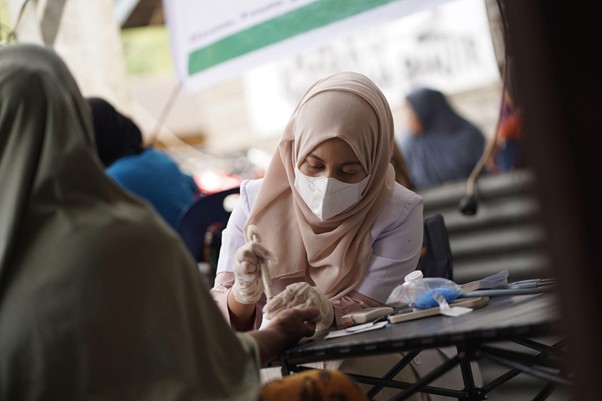
The irony of this disaster is indeed terrible. Data from the National Disaster Management Agency (BNPB) as of January 21, 2026, recorded heartbreaking figures: 1,200 lives lost and 143 people still missing. Behind these cold numbers are people like Kamaludin (65), who lost his rice fields and now suffers from headaches, or Yurida (35), who carries her feverish baby amid the thickening dust of the landslide.
“Access to health care is still paralyzed. Health centers are damaged or too far away to reach. We have to take the initiative,” said the Abulyatama University alumnus.
For Dr. Rifa, every patient is a reflection of her childhood. Back then, she often accompanied her parents to the doctor and was amazed by the doctors who not only healed the body but also brought peace through empathy. Now, she has fully embraced that role.
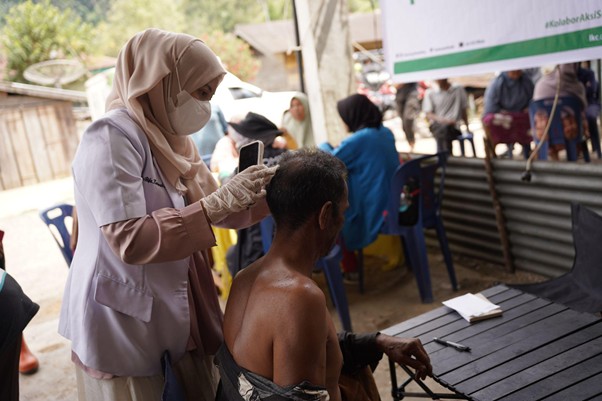
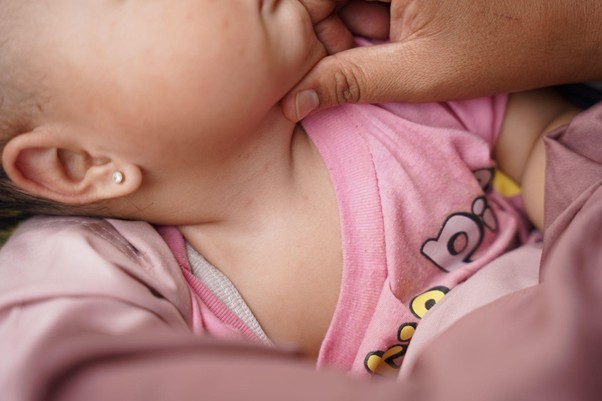
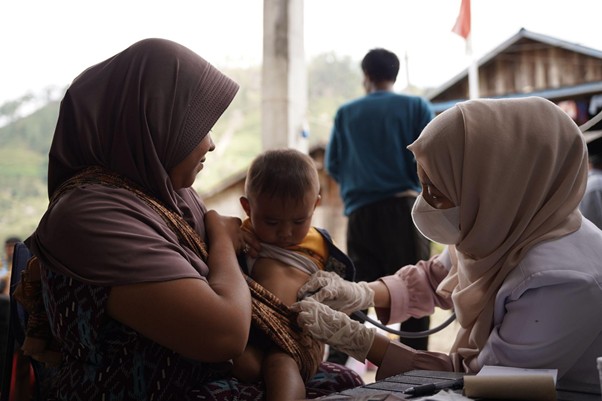
And as the sirens of other ambulances began to fade and news of the disaster in Aceh started to shift, Dr. Rifa’s white coat grew increasingly dull from exposure to sediment. He proved that the call of humanity is not a sprint, but a long, exhausting marathon—one filled with meaning.
However, the reality on the ground was not as easy as he had imagined. In addition to road access, the disaster response medical team set up medical posts in makeshift locations or tents. Medical equipment was also limited.
“Out of the 13 times I joined Dompet Dhuafa at disaster sites, I remember the time in Tebuk Village. At that time, we were providing medical services in the evening when suddenly heavy rain fell. The children were crying, and the survivors were afraid the river water would rise again and cause another landslide. The trauma is still there, but thankfully, the evacuation site has returned to a conducive atmosphere, and medical services continue,” Dr. Rifa recalled, remembering the tense nighttime operation.
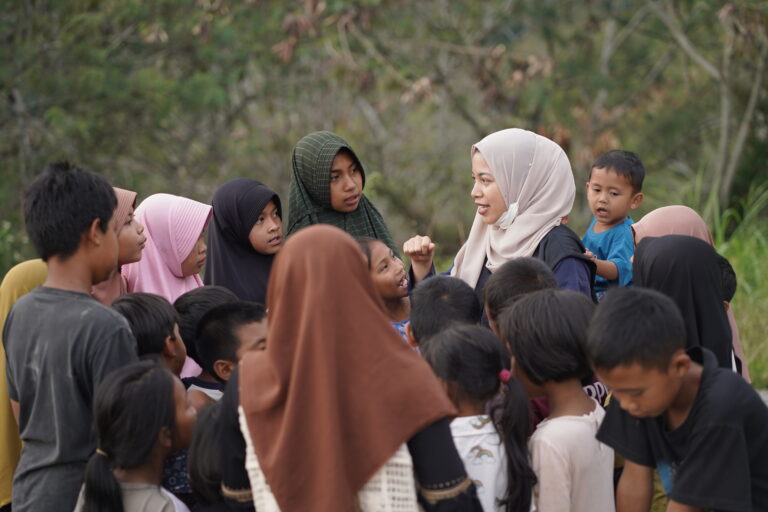
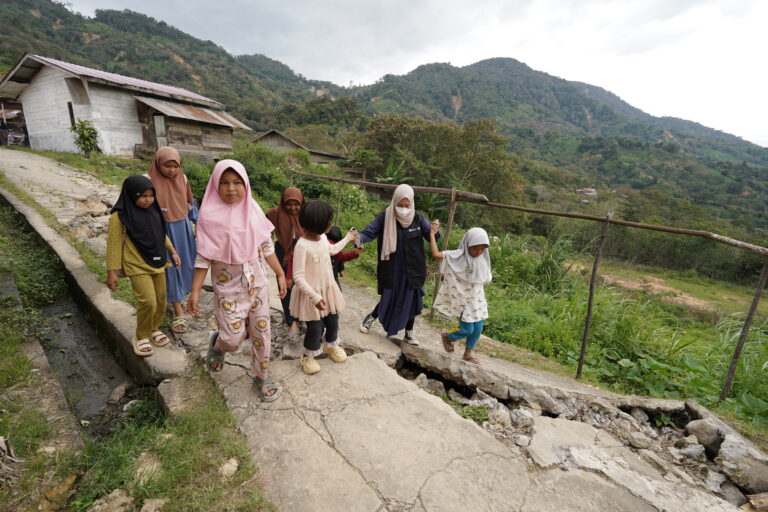
In the end, Dr. Rifa teaches us that post-disaster recovery is not just about rebuilding broken bridges or clearing mud from the streets. True recovery is about being there when everyone else has left. Amidst the ruins of Gampong, which is still in complete darkness, his dedication is a small light that reminds survivors that they are not left to struggle alone.
“I want to dedicate my life to making the same impact, to helping others in a tangible way,” Dr. Rifa states plainly.
Dear friends, you too can play a role in strengthening humanitarian solidarity for the survivors of the flash floods in Sumatra. Your donations will help provide various necessities for long-term recovery. Channel your best assistance through PRAY FOR SUMATERA. (Dompet Dhuafa)
Text and photos: Aryo, Dhika
Editor: Dedi Fadlil