


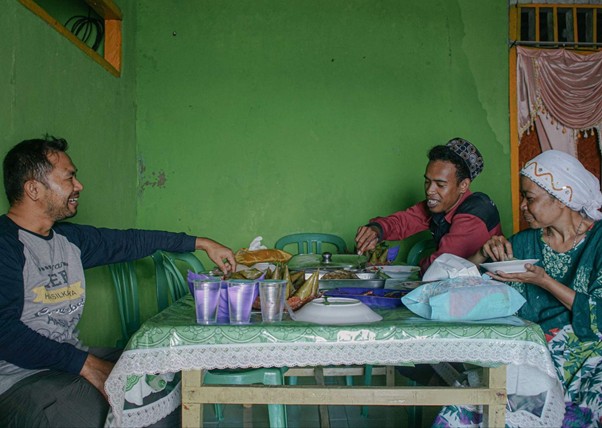
JAKARTA — The tradition of sacrifice is synonymous with the story of Prophet Ibrahim’s family. It is said that this practice was also carried out around 33 centuries earlier, during the time of Prophet Adam (by his two sons). Sacrifice is perhaps the oldest ritual ever performed by humans to date and is repeated every year through the celebration of Eid al-Adha (Lebaran Kurban).
Etymologically, the term “sacrifice” or “qurban” (qaraba-qariba-yuqaribu-qurbanan-qaribun) originates from the Arabic word (قربان), which translates to “near” or “to bring near” in Indonesian. It also sounds familiar to the words “akrab” (close) and “kerabat” (relative), doesn’t it? Abrahamic religions believe that the ritual of sacrifice signifies self-sacrifice, offering, willingness, sincerity, patience, and devotion, as a means to draw closer to, demonstrate devotion to, and express gratitude toward the All-Merciful and All-Compassionate God.
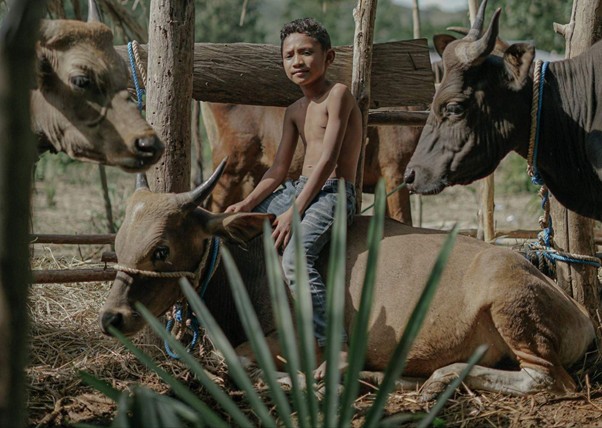
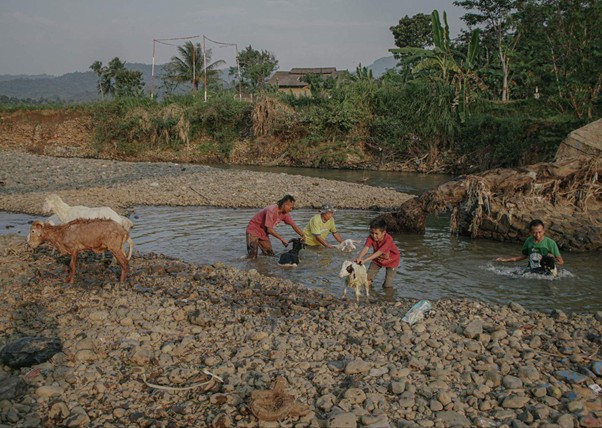
The slaughter of healthy livestock (sheep, goats, camels, cows, or bulls) is the ritual practice of sacrifice—in the Islamic faith—recommended after the event of Prophet Ibrahim. But have you ever wondered why? What does this animal/sheep mean to Prophet Ibrahim?
The sheep replaced his son, who was initially intended to be sacrificed as an offering to God, as an act of obedience to His command. The blood and flesh that he loved so dearly, Prophet Ibrahim offered to Him, along with all his worldly desires, and he entered into a state of complete surrender, aslam (Arabic translation: submission). However, just as Prophet Ibrahim was about to slit his son’s throat, God instructed him to take the lamb nearby as the sacrificial offering.
Read also: The Law of Sacrifice for Those Who Can, Is it Obligatory?
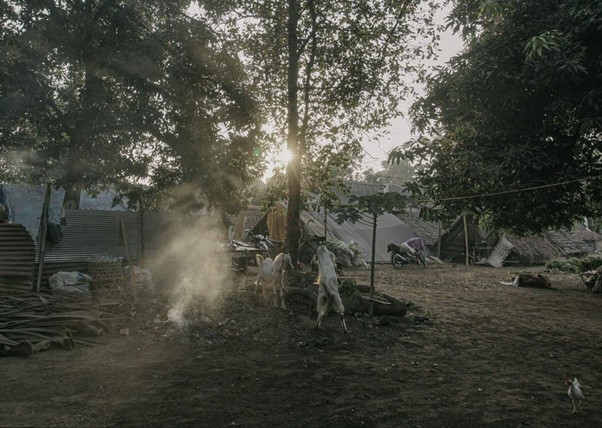
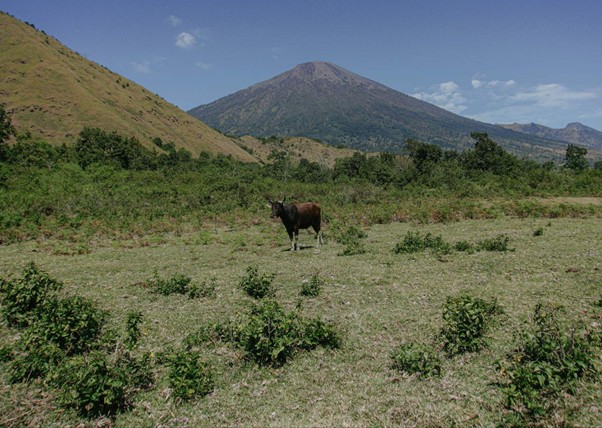
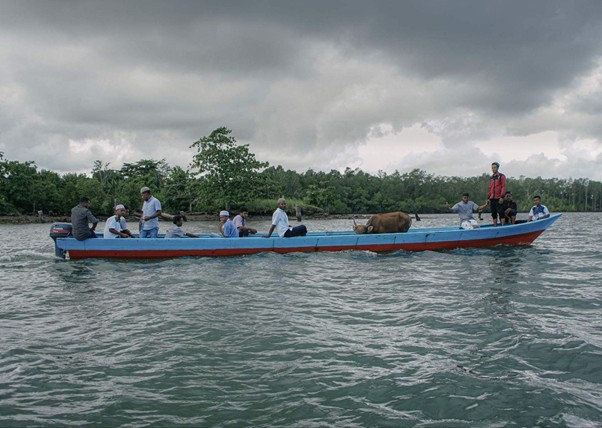
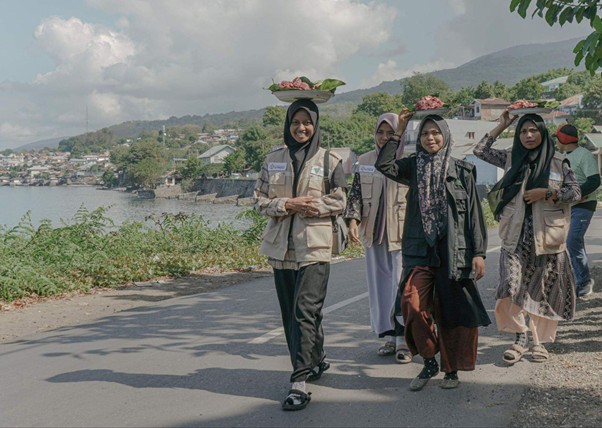
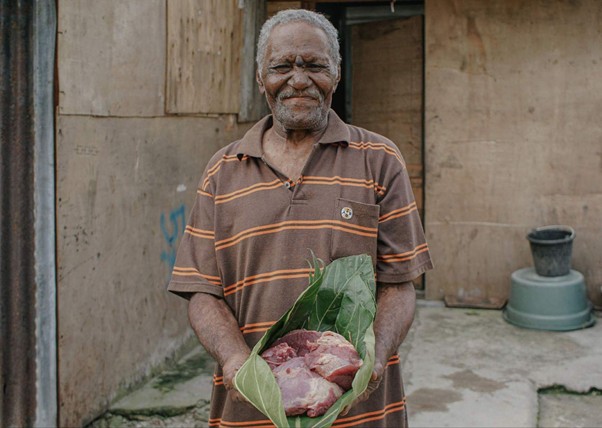
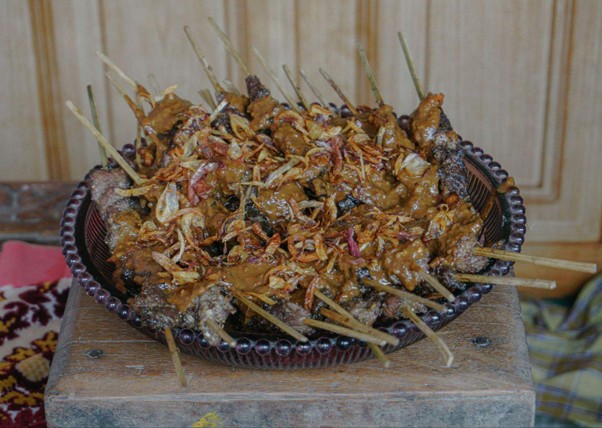
Di Indonesia, praktik kurban tertanam sebagai tradisi dengan keragaman budayanya. Ritual ini juga menjadi momen penting di Hari Iduladha, yang dirayakan setiap bulan Zulhijah dalam kalender Hijriah. Masyarakat merawat hewan ternak, menyembelih, memotong, dan membagikan dagingnya kepada yang berhak dan membutuhkan. Menjadikan kurban sebagai salah satu sarana interaksi antarmanusia dan Sang Pencipta.
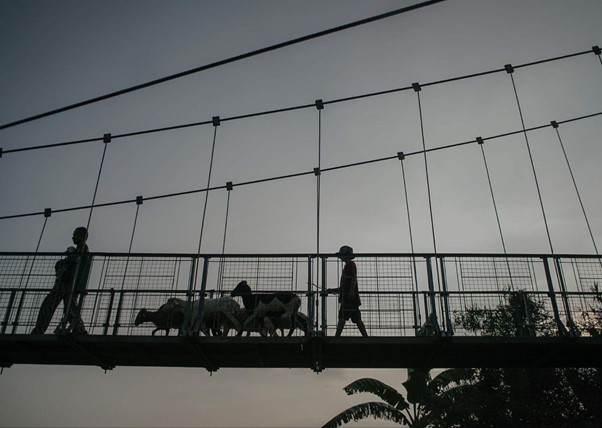
Ya, di Indonesia, upaya ini juga menjadi tantangan yang dilakukan meski berada di wilayah kepulauan. Menjadikan kurban sebagai salah satu sarana interaksi sosial antarmanusia hingga menjamah pulau ke pulau. Sengaruh itu perjalanan daging hasil sembelihan hewan kurban.
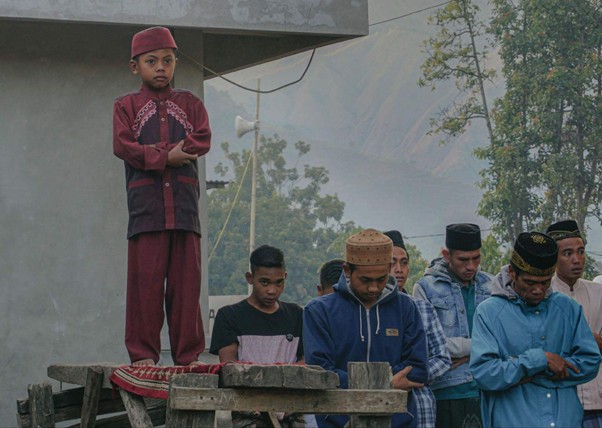
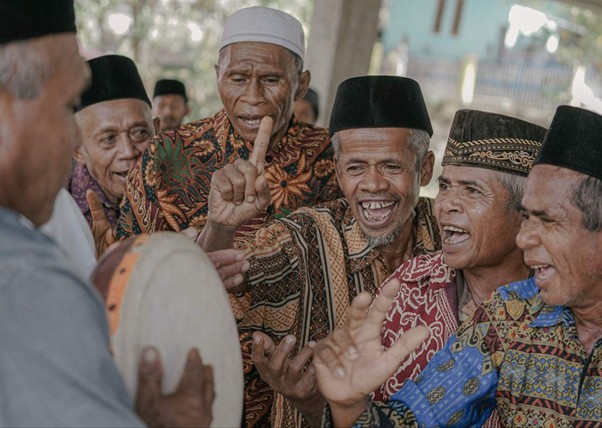
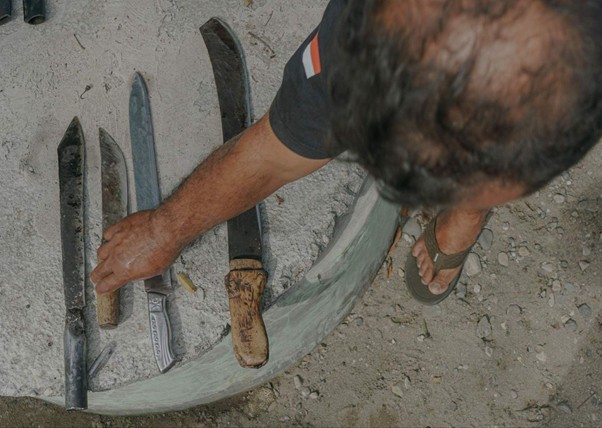
Several lessons can be learned from sacrificing animals for those who are able to do so, including:
- As an expression of our gratitude to Allah SWT, in accordance with His words: “So that they may mention the name of Allah over the livestock He has provided for them…” (Al-Hajj: 34)
- As proof that a servant is devout to his Lord: “The meat of the sacrificial animals and their blood will never reach Allah, but it is your piety that reaches Him…” (Al-Hajj: 37)
- Recognized as followers of the Prophet Muhammad, as he said: “Whoever has the means to sacrifice but refuses to do so should not come near our place of prayer!” (HR Ahmad, Ibn Majah, Al-Hakim, Ad Daruquthni, and Al Baihaqi)
- The act of sacrificing has great rewards: “For every hair on it, there is a good deed.” (HR Ahmad and Ibn Majah)
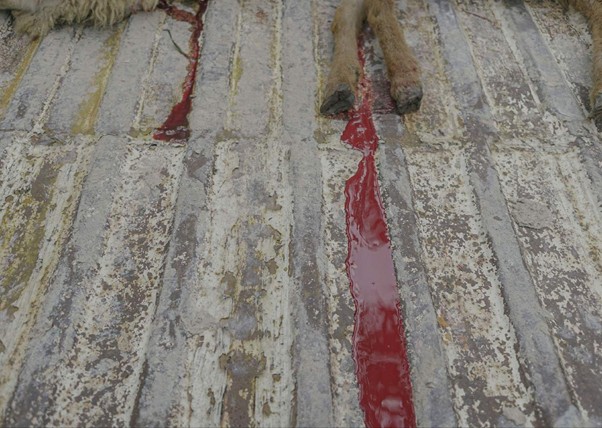
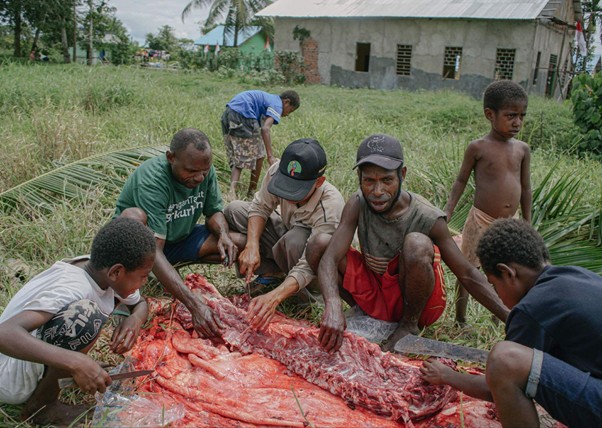
Read also: Knowing the Deadline of Eid al-Adha Sacrifice Completely
According to the majority of scholars, the ruling on sacrificing an animal is a strongly recommended act (sunah muakadah). This is in accordance with the saying of the Prophet Muhammad (peace be upon him):
“I have been commanded (obligated) to sacrifice an animal, and the sacrifice is a recommended act for you.”
(HR Tirmidzi)
“It has been made obligatory upon me (the Prophet Muhammad) to sacrifice an animal, but it is not obligatory upon you.”
(Reported by Daruquthni)
Sacrifice may also become obligatory if one makes a vow.
“Whoever vows to obey Allah, let him fulfill it. Whoever vows to disobey Allah, let him not fulfill it.”
(Reported by Bukhari, Abu Dawud, and Tirmidzi)
“And We have made the camels for you as one of the symbols of Allah; in them is much good for you. So mention the name of Allah when you slaughter them while they are standing (and have been tied up). Then, when they have fallen down (dead), eat thereof and feed the poor who are not begging, and the beggar who asks. Thus have We subjected them to you, that you may be grateful.”
(Al-Hajj: 36)
In Arabic, the word Idul means celebration and Adha means slaughter. Therefore, Iduladha should have a special place in our spiritual experience of the meaning of the ritual of sacrifice, which (in fact) is structured from beginning to end, revolving around each cycle, and repeating itself every year. Wallahu ‘alam. (Dompet Dhuafa)
Text and photos: Dhika Prabowo
Editor: Dedi Fadlil