

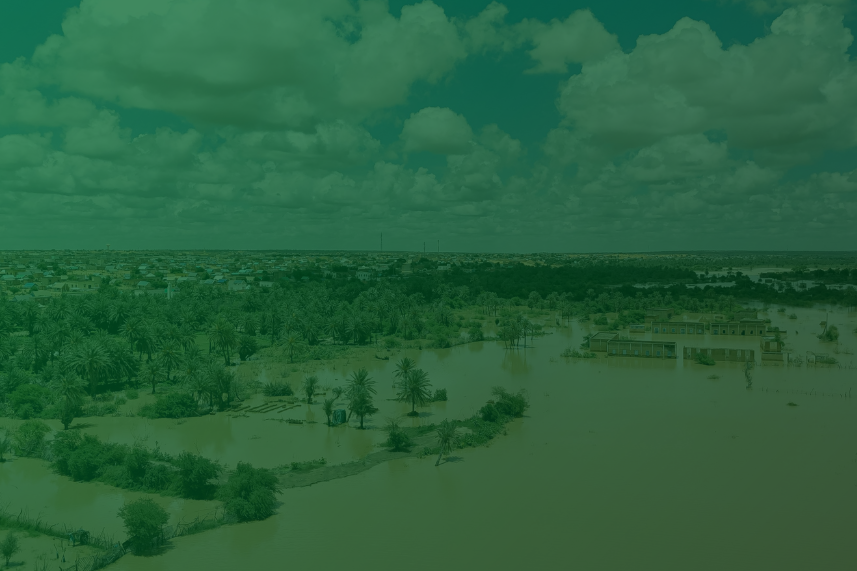
The massive flooding in Sumatra has made many people aware of the relationship between humans and nature, which we have often ignored. This disaster did not come suddenly, but was the result of a long process of environmental destruction, such as illegal logging and the conversion of land into palm oil plantations. When forests that serve to retain water and maintain soil balance are lost, heavy rains become a serious threat to people’s lives. There are many important lessons to be learned from this event so that similar mistakes are not repeated.
For communities living in the affected areas, the floods brought not only water and mud, but also a loss of security. Homes were damaged, farmland was rendered unusable, and economic activity came to a halt. In this context, the major flooding in Sumatra cannot be understood solely as a natural event, but also as a reflection of unwise human decisions in treating the environment.
Read also: 7 Guidelines for Dealing with Disasters in the Quran: Self-Preservation is a Priority
Major Flooding in Sumatra and Neglected Environmental Damage
If we look deeper, the major floods in Sumatra began with the destruction of forest areas that should have served as natural buffers. Massive logging caused the soil to lose its ability to absorb water. Rivers that used to flow steadily now easily overflow because the water discharge increases dramatically when it rains. When nature loses its balance, we are the first to feel the impact.
From the beginning, Islam has warned humans not to destroy the earth. Allah says in the Quran QS Ar Rum verse 41, “Corruption has appeared on land and sea because of what the hands of men have wrought. (Through this) Allah makes them taste some of (the consequences of) their deeds so that they may return (to the right path).”
Damage on land and sea occurs as a result of human actions, so that they may return to the right path. The warning in this verse is relevant to the current situation in Sumatra. Uncontrolled destruction of forests has ultimately returned in the form of disasters that have made life difficult for many people. Therefore, it is important for us to protect forests, wildlife, and the natural environment so that disasters like this do not befall the community again.
Read also: Zakat for the Environment Helps Restore Damaged Ecosystems
The Impact of Human Greed Causes Major Floods in Sumatra
One of the lessons and reminders from the major floods in Sumatra is to realize and understand the adverse effects of greed in managing natural resources. Illegal land clearing for short-term economic gain has sacrificed the safety of the wider community. Deforestation not only removes trees but also destroys the natural systems that protect humans from disasters. Lost forests also eliminate the habitats of wildlife that play a crucial role in maintaining the natural environment.
In Islamic teachings, excessive behavior and harming others are not permitted. The Prophet Muhammad said, “Do not harm yourself or others” (HR. Ibnu Majah no. 2341).
This hadith explains that we must not cause harm to ourselves or others. When economic activities are carried out in a way that damages the environment and endangers the community, it contradicts the basic principles of Islam, which emphasize safety and mutual benefit.
Read also: Allahs Warnings about Disasters in the Quran and Hadith
The Great Flood in Sumatra Teaches Empathy for Others
The great flood in Sumatra also left behind significant social wounds. Many residents live in fear every time it rains. Children have difficulty going to school, parents lose their livelihoods, and social life is disrupted. The sense of security that should be part of everyday life is slowly disappearing.
This situation reminds us that security is not only a matter of the availability of law enforcement and legal policies, but also a matter of a well-preserved environment. When nature is damaged, social stability is also shaken. Therefore, protecting forests and ecosystems is not only a matter of the environment, but also part of maintaining the peace of society. The great floods in Sumatra show that damage to nature always has a broad social impact.
The massive flooding in Sumatra also teaches us empathy for others. We feel the sadness and pain of the victims of the disaster, donate, and provide assistance as much as we can. These forms of empathy will slowly help them to rebuild their sense of security. A sense of security to return to their normal activities.
Read also: Zakat for Humanitarian Aid Accelerates Recovery in Affected Areas
Overcoming Disasters Requires Collective Responsibility
Another lesson from the major floods in Sumatra is the importance of shared responsibility. This disaster cannot be blamed on just one party. The government, businesses, and the community each have a role to play in protecting the environment. When one party is negligent, the impact is felt by all.
In Surah Al-Maidah verse 2 of the Quran, Allah commands humans to help one another in goodness. Protecting the environment is part of this collective goodness because its benefits are felt by many people. Cooperation in protecting forests, monitoring illegal logging, and managing land responsibly are concrete examples of this command.
Read also: Are Victims of Natural Disasters Eligible to Receive Zakat?
The Importance of Environmental Restoration After a Disaster
After a disaster, environmental restoration is a step that cannot be delayed. The major floods in Sumatra taught us that repairing houses without repairing nature will only delay the next disaster. Forest rehabilitation, river basin restoration, and sustainable land management must be priorities.
Environmental restoration must also involve local communities. They are not only victims, but also guardians of the surrounding environment. When communities are involved, the restoration process becomes more effective and sustainable.
Read also: Zakat for Disasters Efforts to Reduce the Impact of Humanitarian Crises
Reflecting on the Major Floods in Sumatra
The major floods in Sumatra are a warning that humans should not exceed their limits in exploiting nature. Islam teaches balance in all things, including in managing resources. Nature is a trust that must be protected.
The Prophet also taught that every human being is a leader and will be held accountable for what they lead. This hadith was narrated by Bukhari, which reads, “Each of you is a guardian and each of you will be asked about your guardianship. The leader of the community is a guardian and he will be asked about his guardianship.”
Reflecting on the floods can also bring us closer to Allah. We must ask for His forgiveness, because the great floods in Sumatra remind us that we humans are small creatures who must not be arrogant and proud by exploiting nature. When we are arrogant, Allah, through His laws of nature, can easily destroy us in a disaster.
Read also: These are the 4 Causes of Natural Disasters According to the Qur’an
Rebuilding Access to Healthcare in Sumatra
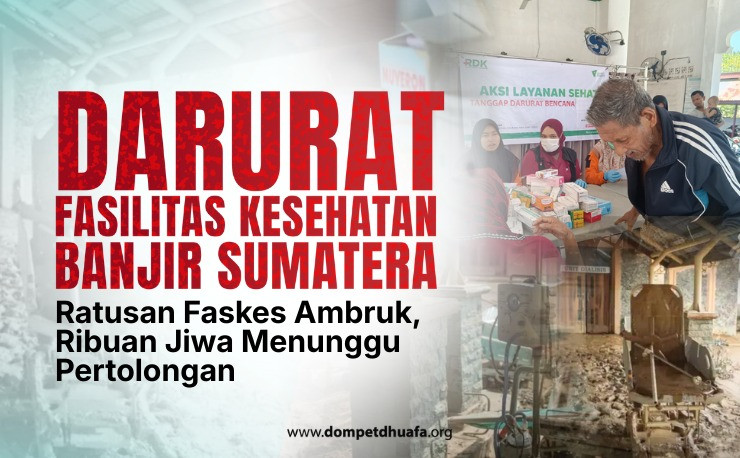
In order to bounce back as before, strong mutual cooperation and collaboration are needed. Mutual cooperation can be carried out well if everyone involved is in good physical health. The post-flood conditions, which have not yet recovered, can threaten the health of the affected victims. Therefore, it is necessary for us to rebuild health access for flood victims in Sumatra. Health access for victims to seek treatment and prevent the spread of disease. You can support the restoration of health access with Dompet Dhuafa by clicking on the image below.
May this event serve as a reminder for all parties to take better care of the environment. When nature is protected, human life will be safer and more dignified.