


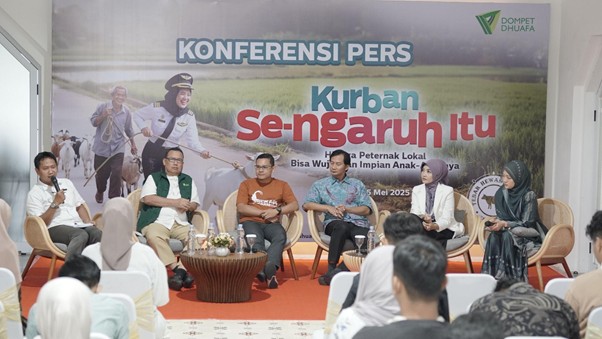
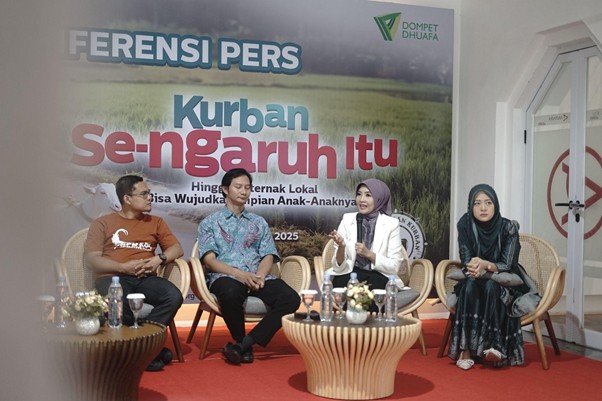
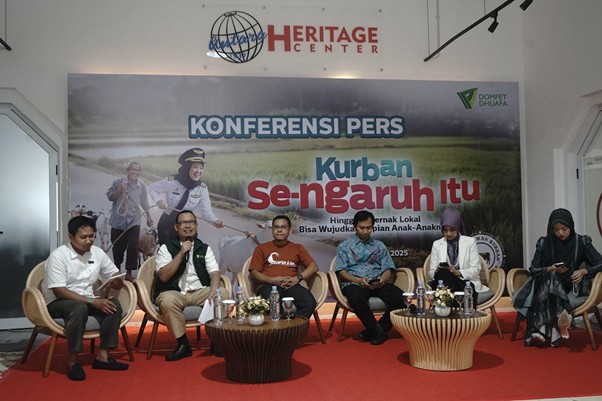
JAKARTA — In anticipation of Eid al-Adha 1446 H, Dompet Dhuafa once again combined its flagship program, Tebar Hewan Kurban (THK) 1446 H, in a press conference held on Thursday (May 15, 2025) at Antara Heritage, Central Jakarta. Marking its 31st year, Dompet Dhuafa reaffirmed its commitment not only to distribute sacrificial animals to underprivileged communities but also to serve as a strategic tool to drive local economic growth, particularly among local livestock farmers.
Since 1994, Dompet Dhuafa, through its Livestock Empowerment Program, has consistently promoted the self-reliance of local livestock farmers. Through the THK program, Dompet Dhuafa not only facilitates the performance of the sacrificial ritual but also generates significant economic impacts for underprivileged communities.
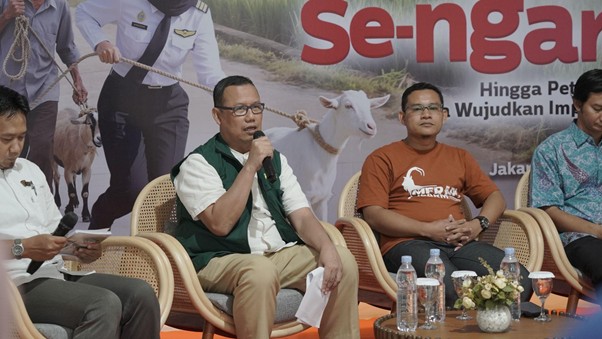
One of the distinctive features of THK is the distribution of sacrificial meat to remote areas of the country, especially to areas that are often overlooked by conventional sacrificial meat distribution. This is done to ensure that people in remote areas can also enjoy the delicious taste of sacrificial meat, which they rarely consume on a daily basis.
“Dompet Dhuafa’s mission is to help underprivileged communities. This sacrifice has two sides: on the one hand, we provide direct assistance in the form of fresh meat to the community, but on the other hand, it also provides economic benefits to farmers or intermediaries who act as intermediaries. Therefore, we are focused on ensuring that all our programs are aimed at improving the welfare of those who are still living in poverty,” explained Ahmad Juwaini, Chairman of the Dompet Dhuafa Foundation.
Read also: Kurban Helps Somalia Overcome a Prolonged Hunger Crisis
This is what this year’s theme, “Kurban Se-ngaruh Itu” (The Impact of Sacrifice), is all about. Dwi Tanty Kurnianingtyas, Chairperson of THK 1446 H Dompet Dhuafa, explained that the impact of the sacrifice does not stop at the sacrificers and recipients of the sacrificial meat, but also reaches local farmers whose lives are uplifted. Sacrifice has become a source of livelihood and hope for many families across the country.
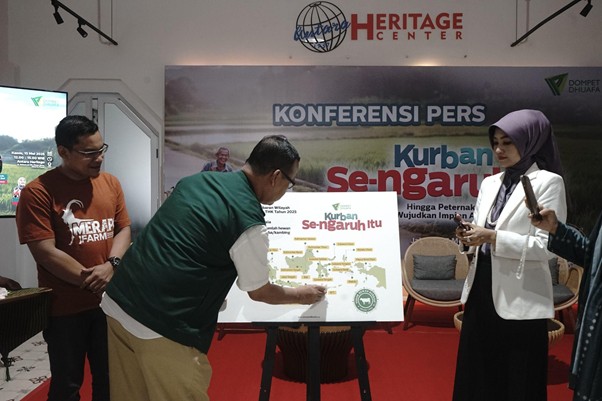
This year, Dompet Dhuafa aims to distribute 35,000 sheep/goat equivalents to 28 provinces and 105 regencies/cities, as well as to three countries facing humanitarian crises such as Palestine, Somalia, and Myanmar. The distribution is carried out in the form of fresh meat, canned meat, and frozen meat, tailored to the infrastructure conditions of each region.
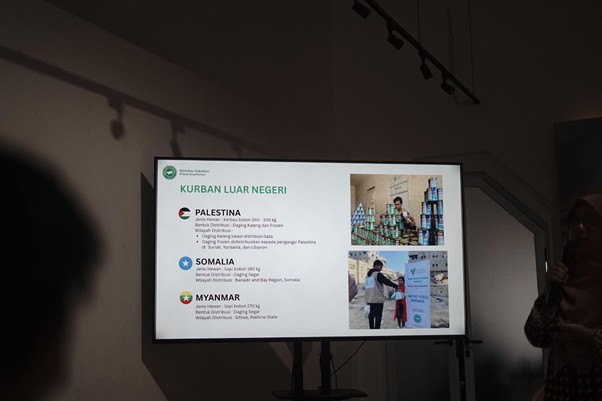
Dompet Dhuafa guarantees the animals sacrificed through the 4P principle, which ensures that the animals sacrificed are definitely male, pass quality control, are distributed to even the remotest areas of the country, and are reported on quickly. This principle reflects Dompet Dhuafa’s commitment to maintaining public trust and ensuring that every sacrifice entrusted to us truly benefits the community in its entirety.
Also present was Taufik Mawaddani, Livestock Partner of Dompet Dhuafa’s THK Program, who explained that Dompet Dhuafa serves as a solution to the needs of livestock farmers by strengthening the rural livestock ecosystem.
Read also: Kurban Brings Hope, Supporting the Economy Herdianto
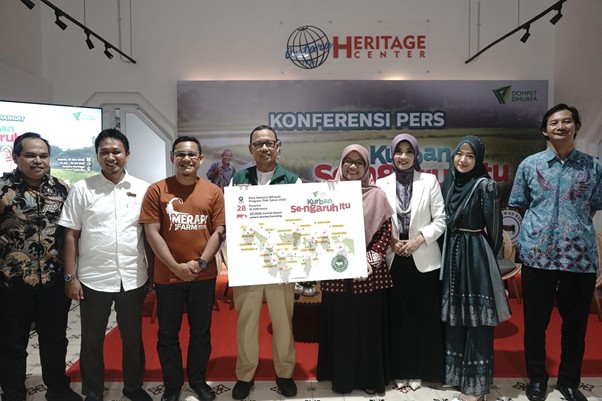
By massively absorbing livestock from small farmers, this program offers competitive prices and encourages the sustainability of local livestock businesses. The sacrifice also becomes a means of empowerment that can revive pockets of the economy in the region.
“When the process is well-established, our success is evident in the economic benefits, educational opportunities, and networking advantages that farmers gain. This includes how we can distribute the meat to remote areas or those far from settlements,” said the man known as Dani.
One of this year’s key innovations is the introduction of the “Economical Sheep” category, weighing 20–22 kg, aimed at communities with limited purchasing power but who still wish to perform the sacrifice in accordance with Islamic law. This initiative is seen as strategic in expanding participation and the social impact of the sacrifice.
Read also: The Impact of Sacrifice: From the West Sumatra Earthquake to Successful Livestock Farming
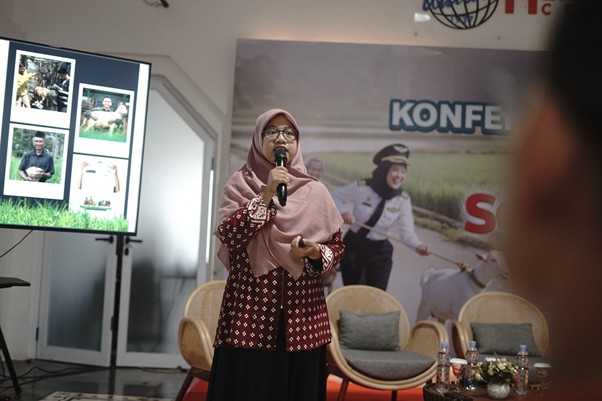
In addition to the economic aspect, according to Esti Nurwanti, a Nutrition Expert, she appreciates the role of Dompet Dhuafa and highlights the importance of sacrificial offerings in improving the nutritional status of the community. The iron-rich meat from sacrificial offerings can help pregnant women, infants, and children prevent anemia and stunting, especially during the complementary feeding phase.
The distribution of sacrificial meat to areas with high nutritional vulnerability is expected to serve as a tangible intervention in improving the quality of Indonesia’s human resources in the future. Continue to expand the benefits of sacrificial offerings through digital.dompetdhuafa.org/kurban. (Dompet Dhuafa)
Text and photos: Anndini, DDTV
Editor: Dhika