


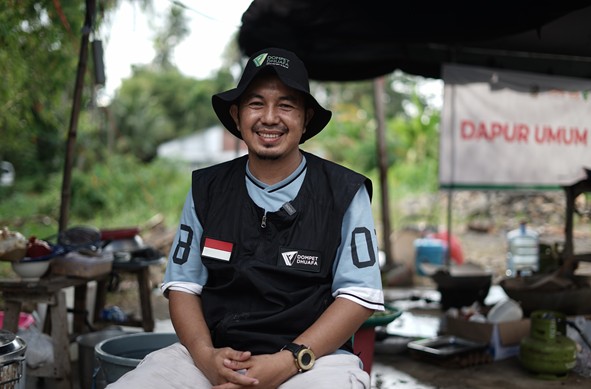
PADANG, WEST SUMATRA —-— While heroes are often portrayed as individuals wearing capes, masks, and shields, not all heroes wear capes. Some arrive wearing aprons, spatulas, and the smell of kitchen smoke clinging to their bodies. Others do not carry shields, but instead carry large pots to ensure that no one goes hungry.
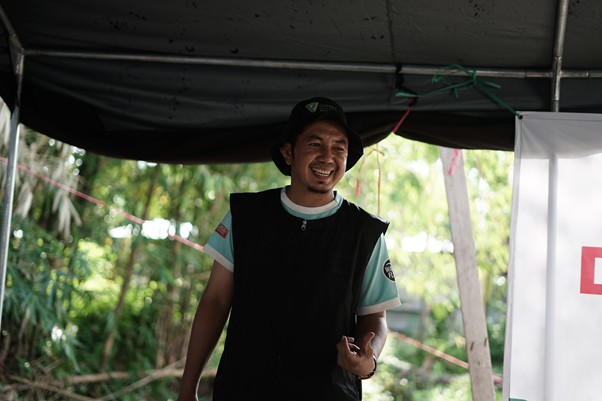
This is Irsyaf, a Dompet Dhuafa volunteer who is at the forefront of ensuring that survivors can enjoy a meal, ensuring that survivors have full stomachs, amid the flash floods that occurred in Koto Tangah District, Padang City, West Sumatra.
He is not a heroic figure in a fictional story, but a humanitarian hero who chooses to stand where survivors need support, at least through a plate of warm food. For Irsyaf, ensuring that there is food served among the galodo survivors is a calling of the soul.
It has been two weeks since the flash flood struck, and almost every day Irsyaf can be seen at the Dompet Dhuafa Public Kitchen. When the sun rises, he prepares 400-500 portions of lunch, and when night falls, he returns to work with spices, hot oil, and the aroma of steaming broth. In addition to heavy meals, Irsyaf also provides snacks such as green bean porridge and bread. If heroes have a magic wand, then Irsyaf is a hero who skillfully wields a spatula and spoon to prepare meals.
Read also: Dompet Dhuafa Assists Flood Relief Efforts in West Sumatra
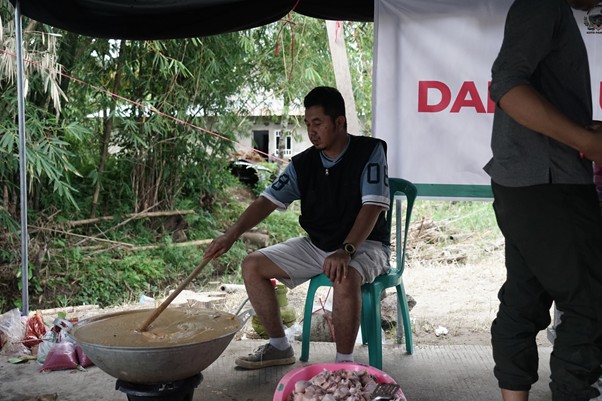
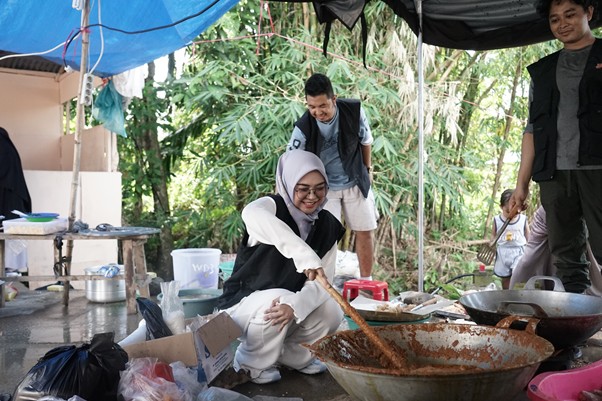
“Praise be to God, today I am able to join and be present in the midst of the grief of our brothers and sisters in Padang City here at the Public Kitchen. The food from our kitchen is being supplied to the victims and residents in the surrounding area,” said Irsyaf.
Drawing on his experience running Padang-style restaurants in Kediri and Padang, Irsyaf brought his culinary expertise to this emergency situation. That background motivated him to be present and make a difference.
“Well, we are here because of the grief of our friends, the grief of our brothers and sisters who are here. When there is a disaster here, we immediately respond with humanitarian aid, because this is a humanitarian call. It feels more special for us to be directly present among our brothers and sisters who are in need, among our brothers and sisters who are grieving,” continued Irsyaf.
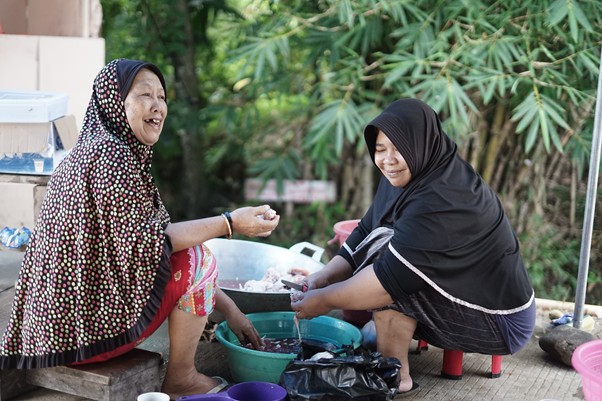
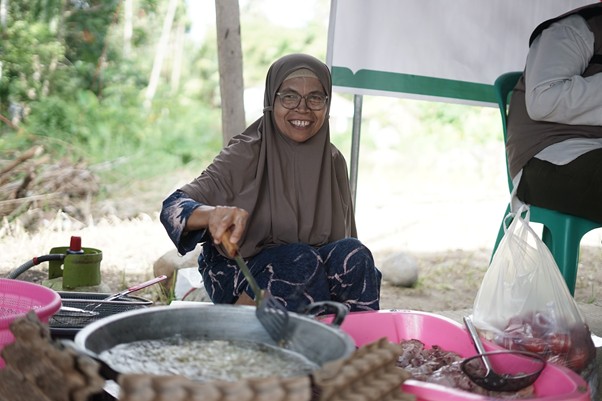
Who would have thought that the intention to be useful would be supported by the Wahana Housing community? The reason is that before the Dompet Dhuafa Public Kitchen was established, the residents of Wahana Housing had already formed a self-help public kitchen. The spirit of residents helping residents can be seen from how they support each other by providing cooking utensils, food ingredients, and clean water. Thanks to this mutual cooperation, the Public Kitchen can operate and benefit the affected neighbors.
“The community here is ready to help with whatever we do. They are ready to help, and all the equipment here is provided by the community, including the manpower in the Wahana Housing Complex. Alhamdulillah, we are here, they are open to us, and they even help us. That is extraordinary,” added Irsyaf.
The residents of the Wahana Housing Complex have actually been registered as recipients of aid from the command post, but they supply some of the raw materials back to the Dompet Dhuafa Public Kitchen.
Thanks to the support of the residents, the kitchen’s menu continues to grow, from eggs and rice to water. Amidst the clean water emergency, the special supply for the Public Kitchen is also maintained so that it does not run out, allowing the kitchen to continue operating.
Furthermore, Irsyaf said that his involvement with Dompet Dhuafa began with his experience during the earthquake in Palu. With his personal equipment and initiative, Irsyaf is accustomed to going to disaster sites as a volunteer.
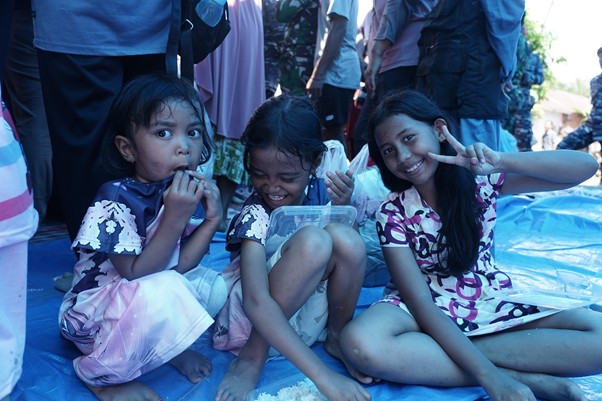
For him, being present and helping brothers and sisters affected by disasters in various regions is a very meaningful experience. Especially when he sees the survivors of the disaster and sees them eating the food prepared by Irsyaf.
“The spirit arises when we are at our peak… Alhamdulillah, we who make or provide (food) feel grateful, especially when our food is eaten heartily, which makes us feel extremely grateful,” he explained.
Irsyaf explained that the strategy in the kitchen was deliberately adapted to emergency conditions. The ingredients used were chosen for their durability and resistance to spoilage, so that the food could be consumed several days after cooking. Each component of the menu, rice, vegetables, and side dishes, was packaged separately to maintain quality and durability, especially for survivors who could not eat immediately upon receiving the aid. For dishes containing chili peppers, he used a stir-frying technique to prevent the food from spoiling quickly.
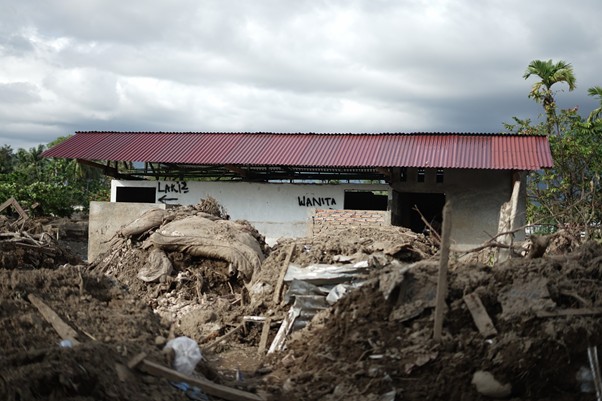
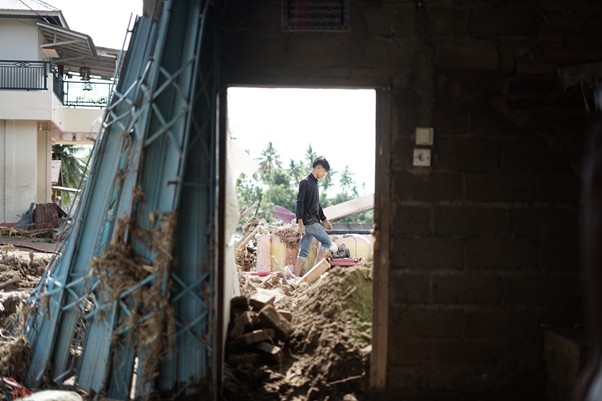
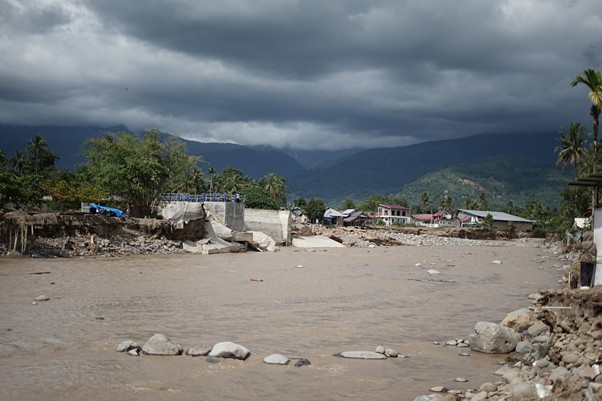
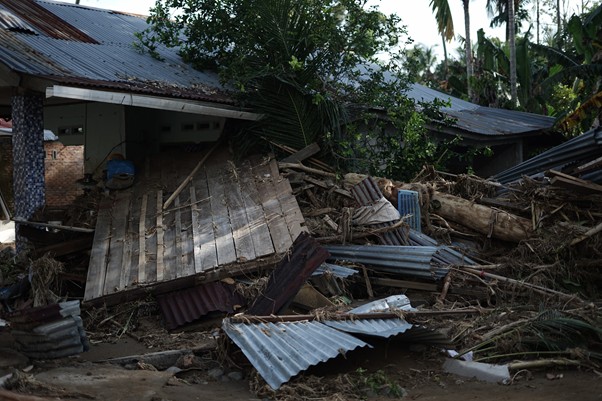
As is known, flash floods hit a number of housing complexes on the banks of the Lubuk Minturun River, Padang City, West Sumatra. In Lubuk Minturun Village, the worst flash floods hit the Lumin Park Cluster housing complex. The Lubuk Minturun River, which is about 40 meters away, overflowed into the housing complex, then formed a new stream that divided the complex.
Downstream, in Kampung Apa, Koto Panjang Ikua Koto Village, was also affected by flash floods from the Lubuk Minturun River. The dam in the village collapsed, causing the river to flood the village.
Seeing this incident, with a trembling voice, Irsyaf offered his best prayers for the survivors, saying that behind every event, including tragedies and disasters, there is always a blessing and a lesson to be learned.
Read also: Dompet Dhuafa Sends 60 Tons of Humanitarian Aid to Disaster Survivors in Sumatra
“To our brothers and sisters who are survivors or affected by the flash floods in Padang City and its surroundings, stay strong, all storms will surely pass. May what is happening now be a blessing and may tomorrow bring more than what has been lost today,” concluded Irsyad.
Dompet Dhuafa invites all Indonesians to join together in helping our brothers and sisters in Aceh and other affected areas through digital.dompetdhuafa.org/donasi/prayforsumatera. (Dompet Dhuafa)
Text and photos: Anndini Dwi Putri
Editor: Dhika